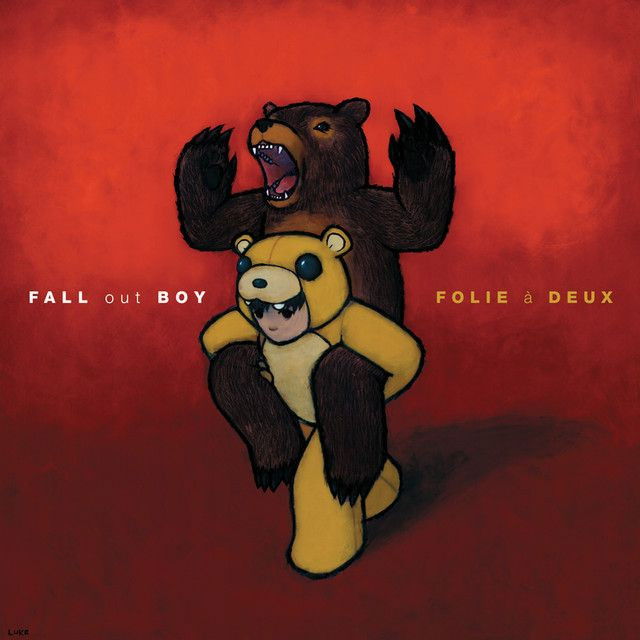
27 by Fall Out Boy
The meaning of 27 Fall Out Boy turns on a sharp question: what happens when the rush of fame starts to feel like a curse? The track paints a feverish self-portrait of excess, doubt, and the lure of the so‑called 27 Club. It sounds like triumph, but it reads like a warning.
"27" - Fall Out Boy
Then we're all just fucked
I can't remember
Loading lyrics...
Unable to load lyrics
We're unable to display the lyrics at this time. Please try again later.
A Portrait of the Myth We Can’t Stop Chasing
“27” takes aim at the glamor of burning out young. The title nods to the 27 Club—artists mythologized for dying at 27. Instead of praising that myth, the song shows how it seduces people who feel lost and overworked.
Early on, the narrator flips a familiar comfort into a bleak punchline with home is where the heart is
. Interpretation: the place that should heal them no longer does. The line sets the tone for a world where success and safety don’t match.
Throughout, the lyrics pair stage life with coping rituals, stitching together hunger for approval and fear of emptiness. That push‑pull is the core meaning of 27 Fall Out Boy: the cost of living like a legend may be your actual life.

Watch the official 27
music video
Who’s Talking, and Why They Sound Frayed
The voice is first‑person and confessional, yet theatrical. They’re both the performer and the critic of that performance. When they mention anchors on our shirts
, they hint at a scene that parades stability as fashion while quietly sinking under it.
Interpretation: the narrator knows the script of rock decadence and is trying to believe it will fix them. But the way they repeat images and chase the same feelings suggests a loop, not progress. The voice swings from swagger to self‑loathing in a few bars.
From Dressing Room to Void: A Quick Timeline
- Backstage, the narrator reaches for shortcuts to feel alive, nodding to
doing lines of dust and sweat
—an image that blurs drugs, adrenaline, and stage grime. - They pin hope onto idols and lovers who shine like promises.
- Doubts surface: are the “good times” gone, or were they always illusions?
- The crowd’s glow fades; the narrator fears becoming a “black hole” rather than a star.
- The cycle resets. The band plays again; the ache returns.
Interpretation: the night never really ends because the problems never leave the room.
Symbols That Cut Deep: Anchors, Safes, Orphanages
The symbol web is dense but clear.
- Anchors: Appear as style but act like weights. The scene wears stability yet drifts without it.
- The Safe: The mind is vault‑like, full of thoughts that could be cashed in as art—and as pressure.
My mind is a safe And if I keep it in we all get rich
- The Orphanage: The body
takes everyone in
—habits, people, chemicals—without boundaries. Interpretation: empathy becomes self‑harm when it invites everything. - Stars and Black Holes: The narrator admires
friends who are stars
but fears some arejust black holes
. Interpretation: fame can radiate or consume; some lights are traps. - Bottled Light: Calling someone
You're a bottled star
captures how the industry tries to package human brilliance. Bottling starlight makes it marketable—and unstable.
Together, the symbols map a mind that trades pain for performance until the math no longer works.
How the Sound Turbocharges the Spiral
On Folie à Deux, producer Neal Avron sharpens the guitars and snaps the snare so every syllable lands. The tempo is brisk; Andy Hurley’s drumming is tight and slightly swung, keeping tension high. Joe Trohman’s guitars slash in syncopated bursts, while Patrick Stump’s melody darts and climbs, as if chasing a moving target.
Interpretation: the glossy, radio‑ready mix makes the spiral feel seductive. The music sells the high even as the words sell the crash. Stacked vocals in key moments feel like thoughts crowding the narrator’s head—confidence layered over panic. That contrast is the whole point: it looks shiny; it hurts anyway.
Alternate Takes and Cultural Echoes
- Industry Satire: The song can read as satire of a system that profits when artists hover on the edge—“we all get rich” if the pain keeps producing hits.
- Personal Confession: It can also be a sober moment, a writer looking at their own coping and wondering if the myth is worth it.
Either way, the track resists easy hero worship. It honors the pull of the myth while showing its teeth.
Bottom Line
The meaning of 27 Fall Out Boy is a warning wrapped in a rush. It asks what we trade to feel legendary—and who pays when the lights go out.
Disclaimer: Song interpretations are subjective. This reading blends lyrical analysis with known context; listeners may reasonably hear other meanings.