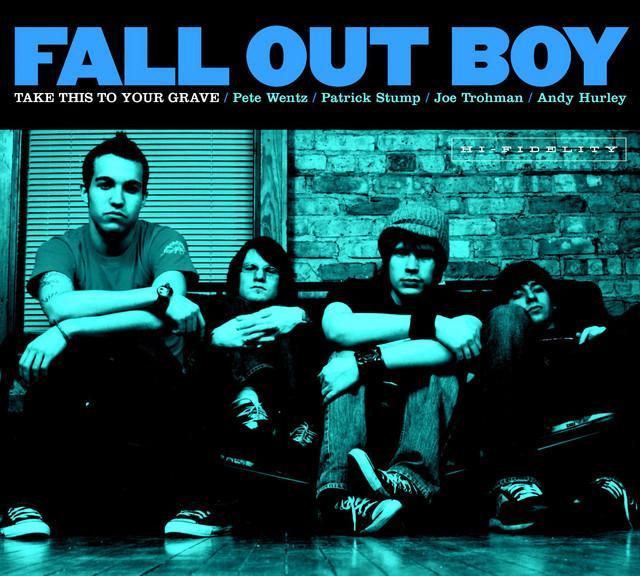
The Pros and Cons of Breathing by Fall Out Boy
The meaning of The Pros and Cons of Breathing Fall Out Boy comes down to one central idea: this is a song about heartbreak turning into self-hatred. Instead of offering a clean breakup story, Fall Out Boy present a narrator who is dramatic, wounded, and painfully aware of how ugly their feelings have become.
"The Pros and Cons of Breathing" - Fall Out Boy
Yeah 'cause no one will ever feel like this again
And if I could move, I'm sure it would only be to crawl back to you
Loading lyrics...
Unable to load lyrics
We're unable to display the lyrics at this time. Please try again later.
That is why the song still stands out in the band’s early catalog. It is not just sad. It is messy. The speaker wants revenge, closeness, and escape at the same time. That emotional contradiction is the real engine of the song.
A breakup song with its claws out
On the surface, the track sounds like a furious address to someone who has hurt them. The narrator imagines extreme scenes and speaks in a voice full of wounded pride. But the most revealing line is not aimed outward. It is the confession hate myself
, which shifts the song’s center from blame to self-destruction.
That matters because the chorus is not simply about hating another person. It says they wish they could hate the other person even half as much as they hate themself. In plain terms, the breakup has damaged their self-worth so badly that anger at the other person cannot compete with their inward collapse.
Interpretation: This is what gives the song its bite. The narrator is not powerful in a healthy sense. They sound theatrical because they are trying to regain control through language.

Watch the official The Pros and Cons of Breathing
music video
The narrator uses drama as a shield
Fall Out Boy’s early writing often mixes melodrama with sharp one-liners, and this song is a strong example of that style. The opening image is extreme, then the next lines turn pain into crawling, dragging, and physical ruin. None of that should be read as literal plot. It works more like emotional exaggeration.
The song keeps translating heartbreak into body imagery. When the narrator says they could only crawl back to you
, the point is dependence. Even after being hurt, they imagine returning. That makes the song less about hatred than humiliation.
Later, the line stood on my roof
suggests distance and obsession. They are trying to see the other person while also feeling erased by them. The repeated idea of being unseen builds toward the closing wish to feel invisible
. In simple terms, they already feel emotionally erased, so invisibility becomes both a wound and a fantasy.
Writing as weapon, voice as power
One of the song’s smartest turns is how it links language to violence. The phrase My pen is the barrel
turns songwriting into a threat. The narrator cannot control the relationship, but they can control the story told about it.
That line also fits Fall Out Boy’s broader identity in the early 2000s. Pete Wentz’s lyrics often treated confession, gossip, and clever phrasing as forms of power, while Patrick Stump’s delivery made those lines feel both catchy and volatile. Here, the narrator basically says: if they cannot win emotionally, they can still wound with words.
That is why another key phrase, crush you with my voice
, matters so much. The threat is not physical strength. It is expression. They want their pain to become loud enough to overpower the person who made them feel small.
How the sound carries the meaning
Musically, the song comes from Fall Out Boy’s early pop-punk period, before the band expanded into the wider pop and alternative palette heard later on albums like Folie à Deux, which brought in broader production ideas and genre crossover Wikipedia. That contrast helps place this track in context.
“The Pros and Cons of Breathing” relies on speed, tight drumming, sharp guitars, and a tense stop-start feel. The arrangement does not leave much room to breathe, which suits a song about mental suffocation. Stump’s vocal delivery is especially important: he sounds strained but controlled, as if the narrator is barely holding their composure together.
Interpretation: The music mirrors emotional flooding. The hook is catchy, but the verses feel restless, almost breathless. That tension makes the title feel ironic. Breathing should be easy and automatic, yet the song treats it like survival under pressure.
A snapshot of early Fall Out Boy themes
The song also shows why the band connected with so many listeners in the emo and pop-punk world. Their best early songs did not just say “I’m hurt.” They made hurt sound clever, ugly, and self-aware all at once.
The writers credited for the song are Andrew Hurley, Joe Trohman, Patrick Stump, and Pete Wentz, as provided in the song data. That full-band credit fits the way Fall Out Boy’s early material often fused muscular rhythm, melodic hooks, and lyric-heavy emotional detail.
For listeners, the appeal is easy to understand:
- the emotions are intense but recognizable
- the lines are quotable without being simple
- the song captures both anger and shame
- the music gives those feelings momentum
So what does the title really mean?
The title suggests a cruel joke. There are no real “pros and cons” listed in the song. Instead, it implies that even staying alive and moving forward feels like a debate when someone is emotionally wrecked.
In that sense, breathing stands for endurance. They are still here, still singing, still hurting. The song does not resolve that pain. It documents it.
That is the lasting meaning of The Pros and Cons of Breathing: heartbreak has pushed the narrator into a state where love, hate, shame, and performance all blur together. They want to be seen, they want to disappear, and they want their voice to make the wound impossible to ignore.
Disclaimer: This interpretation is based on the lyrics, performance, and known band context. As with most Fall Out Boy songs, different listeners may hear different meanings in the same lines.








