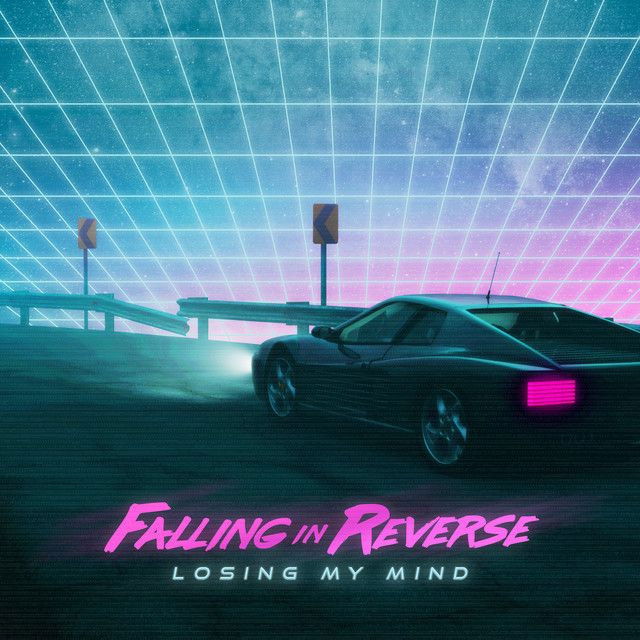
Losing My Mind by Falling in Reverse
A Defiant Song About Image, Pressure, and Survival
The meaning of Losing My Mind Falling in Reverse centers on public pressure and self-definition. The song presents a speaker who knows people are judging them, revisiting their past, and expecting them to change. Instead of apologizing, they push back.
"Losing My Mind" - Falling in Reverse
Striking a match, igniting the track while I'm typing in caps, it's on now
The rap Casanova with cash in a sofa in the back of a Rover
Loading lyrics...
Unable to load lyrics
We're unable to display the lyrics at this time. Please try again later.
On the surface, it sounds like a brag-heavy anthem. But under that swagger is a more anxious idea: when the world keeps projecting stories onto someone, confidence can become a shield. The repeated idea of losing my mind
works in two directions. It hints at real inner strain, but it also mocks the chaos around them, as if everyone else is the one spiraling.
That tension fits Falling in Reverse well. Frontman Ronnie Radke has long been a polarizing figure, and the band often turns controversy into subject matter. In that sense, this song is less a confession than a confrontation.

Watch the official Losing My Mind
music video
The Voice of the Song: Self-Defense Turned Into Performance
The song is written in a forceful first-person voice, but the article can still describe their stance clearly: they sound cornered, proud, and unwilling to surrender control. Early lines celebrate status and momentum, then quickly move toward resentment about criticism and old mistakes.
When they insist I'm not ready to change
, the point is not subtle. They reject the demand to become easier to like. That line matters because it frames the whole track as resistance. They are not asking for understanding; they are setting terms.
The Chorus Turns Conflict Into a Mind Game
The chorus flips blame back on the listener or the crowd. When the song asks why others believe everyone except the speaker, it suggests a world built on gossip, reputation, and selective memory. The hook makes the title feel unstable in an interesting way: is the speaker falling apart, or are they exposing everyone else's obsession?
Interpretation: The smartest reading is that the song uses instability as both theme and weapon. By saying you're losing your mind
, they turn accusation into counterattack.
A Short Story Hidden Inside the Flexing
For all its chest-thumping energy, the song has a simple emotional timeline:
- They present themselves as successful and untouchable.
- They admit people still define them by the past.
- They answer that pressure with anger and refusal.
- They briefly reveal deeper fear and human limitation.
- They return to defiance, now with more emotional weight.
That fourth step is crucial. The spoken-word section changes the song's meaning. It looks back to childhood fear and to the belief that they had to seize every chance before everything collapsed.
I'm not a superhero
I'm not perfect
I'm just me
This is the emotional hinge of the track. After so much boasting, they suddenly strip the image down. The song stops being only about winning and starts being about survival under impossible expectations.
The Big Themes Behind the Song
Reputation Versus Identity
One of the clearest ideas in the lyrics is the gap between who someone is and what people say about them. The line about others always bringing up the past shows that their public story feels frozen. No matter what they do now, older narratives keep returning.
That makes the song partly about fame in the internet age. A scandal, rumor, or bad chapter can become permanent. Interpretation: The song argues that public opinion often traps artists in outdated versions of themselves.
Control in a Chaotic World
The title suggests mental overload, but the verses are obsessed with command: power, movement, money, dominance, and momentum. Even the aggressive delivery feels like an attempt to stay in charge of the narrative.
This is why the song sounds so restless. They do not merely want success. They want control over meaning.
How the Music Supports the Meaning
“Losing My Mind” arrived in 2018 as a standalone single from Falling in Reverse, released between albums during a period when the band was leaning hard into genre-mixing. According to the band's YouTube release, the song was presented with a highly stylized video that matched its unstable, theatrical energy.
Musically, it blends rap cadences, hard rock guitars, electronic polish, and arena-sized hooks. That fusion matters. The fast, percussive verses feel argumentative, almost like they are firing off rebuttals in real time. Then the chorus opens wider and becomes more melodic, which gives the emotional conflict a bigger stage.
The credited writers are Ronnie Radke, Derek Jones, Zakk Sandler, Christian Thompson, and Tyler Smyth. Band credits and release info were also listed by Epitaph Records. Even without a fully documented producer credit in the prompt, the song's sound suggests a very modern rock-rap build: tight editing, heavy low end, digital layering, and dramatic vocal stacking.
Why the Sound Feels So Combative
The production rarely sits still. Verses push forward in clipped bursts, while the chorus repeats key phrases until they feel obsessive. That repetition mirrors the theme of being trapped in a loop of judgment, argument, and self-assertion.
Interpretation: The song's genre-switching reflects a fractured identity. It sounds like someone trying on several masks at once, then daring the audience to say which one is real.
Final Take on the Song's Meaning
The meaning of Losing My Mind Falling in Reverse is not simply that fame is stressful. It is that public identity can become a battlefield. The song turns arrogance, anger, and vulnerability into one package, showing how self-confidence can double as self-protection.
Its most revealing moment is not the bragging. It is the admission that they are only human. That line makes the rest of the song feel less like empty provocation and more like a defense mechanism built at high volume.
Disclaimer: This interpretation is based on the lyrics, release context, and public artist information. Like most songs, it can support more than one reasonable reading.








