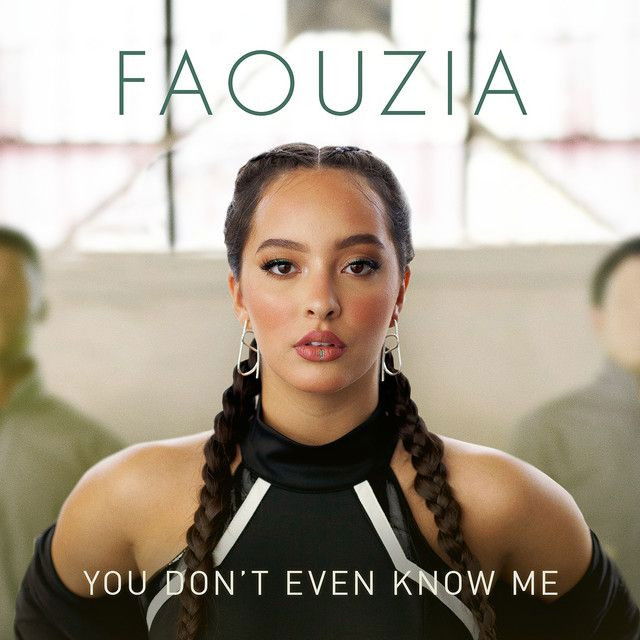
Why 'You Don't Even Know Me' Hits So Hard
The meaning of You Don't Even Know Me Faouzia centers on a painful but powerful idea: being judged by people who have not taken the time to understand who someone really is. In this song, they present a narrator surrounded by noise, gossip, and fast opinions, yet still holding on to their deeper self.
"You Don't Even Know Me" - Faouzia
Everybody staring
What did I, what did I do wrong?
Loading lyrics...
Unable to load lyrics
We're unable to display the lyrics at this time. Please try again later.
Faouzia is known for big emotion, sharp vocals, and songs about inner strength, as shown across her official artist profiles and releases on Spotify and YouTube. Here, that style becomes a direct response to social pressure. The song is not just about hurt feelings. It is about reclaiming identity from people who think they have someone figured out.
The Core Message Beneath the Hurt
At its heart, the song says that outside opinions can be shallow. The opening scene places the narrator in a public space where they instantly feel watched. That image of a “crowded room” sets up the whole conflict: public judgment versus private truth.
When the song says you don't even know me
, it does more than reject gossip. It draws a line. The narrator is saying that criticism means little when it comes from people who only know a surface version of them.
This is why the repeated questions matter. Phrases like what did I do wrong?
suggest a moment of self-doubt before the song turns outward. First, they wonder if the blame is real. Then they realize the bigger problem is that others are projecting their own assumptions.

Watch the official You Don't Even Know Me
music video
A Song About Perception, Not Just Conflict
One of the most important lines in the song is you see what you wanna see
. That phrase points to the song's deeper theme: people often do not respond to reality. They respond to their own stories about someone.
That theme makes the song feel bigger than one bad interaction. It can apply to rumors, online judgment, friendships, family tension, or any situation where a person gets reduced to a stereotype. The narrator is frustrated, but they are also clear-eyed. They understand that misunderstanding is sometimes a choice made by others.
You don't know a thing at all
You don't know about the way I am when I am all alone
This brief moment captures the gap between public image and private self. The narrator insists there is a richer emotional life beneath what others think they know.
How the Verses Build the Story
The song moves in a simple but effective emotional arc:
- They enter a tense social setting and feel judged.
- They question themselves for a moment.
- They identify gossip and empty confidence around them.
- They push back and defend their inner life.
The line he said, she said
is especially important. It points to rumor as a social machine. People are not speaking from knowledge or care; they are passing along impressions. Right after that, the song mocks false certainty with acting like you're brilliant
, showing how smug judgment can sound when it has no real understanding behind it.
What the Chorus Really Means
The chorus gives the song its emotional center. Instead of listing facts about the narrator, it focuses on hidden qualities: how they are alone, how they care, how they have changed, and how deeply they love.
Interpretation: this matters because the song argues that a real person cannot be summed up by gossip. Their character is found in private growth and emotional depth, not in public talk. The chorus keeps returning to this point until it sounds less like a complaint and more like a statement of self-worth.
There is also a subtle shift in power. Early on, the narrator feels exposed. By the chorus, they sound grounded. They may still be hurt, but they are no longer letting outsiders define them.
How Faouzia's Sound Carries the Meaning
The production supports that emotional rise. Faouzia's music often blends pop structure with dramatic vocal delivery, a style documented across her official releases on Apple Music. In this song, the arrangement feels built to spotlight tension and release.
The verses are tighter and more restrained, which mirrors social discomfort. Then the chorus opens up with a larger melodic lift, giving the words a sense of emotional expansion. That change makes the message feel earned, as if the narrator is pushing through pressure into clarity.
Their vocal performance is key too. They move from a clipped, questioning tone into a fuller, more declarative one. That shift helps tell the story even without close lyric study. The voice itself becomes proof of someone finding their footing.
Two Strong Readings of the Song
Interpretation 1: A response to gossip and shallow judgment. This is the most direct reading. The lyrics clearly describe rumor, public scrutiny, and the pain of being misunderstood.
Interpretation 2: A broader statement about identity. The song can also be heard as a defense of the private self in an age of instant opinions. Whether the pressure comes from school, social circles, or online spaces, the message stays the same: visibility is not the same as being known.
Both readings work because the writing stays general enough to feel personal and universal at once.
Why the Song Connects With Listeners
Many listeners relate to songs that push back against labels, and this one does it in a clean, memorable way. It avoids overly complex imagery and gets to the point fast. That directness is part of its strength.
The song also balances vulnerability and backbone. It admits the sting of judgment, but it refuses to end there. By the final return of the hook, the message feels firm: outsiders may talk, but they do not own the truth.
The Last Word on Its Meaning
The meaning of You Don't Even Know Me Faouzia is about defending inner truth against outside assumptions. It turns the experience of being misread into a statement of dignity, growth, and emotional depth.
That is why the song lasts. It gives listeners a language for a common feeling: the frustration of being seen, but not understood.
Disclaimer: This interpretation is based on the released lyrics, performance, and publicly available artist context. As with any song, listeners may connect with it in different ways.









