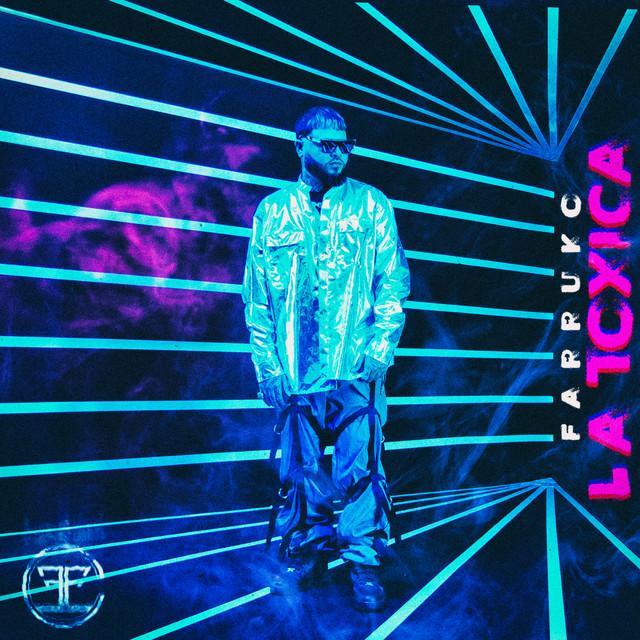
The Empowering Meaning Behind Farruko’s “La Tóxica”
What is the real meaning of La Tóxica Farruko? Beneath the party smoke and booming bass, the track paints a clear picture: a woman walks away from a controlling partner and finds herself again on the dance floor. It’s a club anthem with an empowerment core.
"La Tóxica" - Farruko
Quedó traumada, todavía piensa en ese infeliz
Sus amigas la sonsacan a llevársela pa' la calle
Loading lyrics...
Unable to load lyrics
We're unable to display the lyrics at this time. Please try again later.
A Breakup Story Reframed as Freedom
Farruko explained in a 2020 Billboard interview that the song speaks to women tired of being controlled, choosing to live their own way. The lyrics follow that arc. She goes out—se va pa' la calle
—not to fall in love again but to reclaim her time.
The title flips a common label. In Spanish slang, “la tóxica” often targets women, blaming them for drama. Here, the tag is reclaimed. The song turns stigma into swagger, showing a woman who sets boundaries after leaving a harmful relationship.

Watch the official La Tóxica
music video
Who’s Speaking and How It Feels
The primary voice is third person. Farruko observes and cheers her on, a narrator who also acts like a hype man. He calls to the crowd and centers her choice, not her ex.
This angle reduces judgment and raises empathy. Instead of diagnosing her, the voice celebrates her. When the hook stresses she no quiere amore'
, the point is not coldness; it’s self-protection.
The Night Out: Beat-by-Beat
- She enters the scene
llegó depresiva
, still carrying the emotional weight of the breakup. - Friends pull her toward music, smoke, and bottles. She’s not hiding; she’s testing her strength in public.
- A familiar anthem plays and she lets go. The mood flips from heavy to light.
- She dances hard—
le da hasta abajo
—and refuses to let gossip shape her night. - The resolve is clear: no commitments now, just space to breathe and rebuild.
This sequence turns nightlife into recovery. A club isn’t the escape; it’s the stage where she rehearses a new version of herself.
What the Chorus Really Says
The chorus repeats her plan, not her pain. She’s puesta pa'l perreo
—ready to move and to enjoy—while making it plain she is not seeking romance. Interpretation: The hook is a mantra for boundaries. Movement becomes agency, and repetition hardens that choice into a habit.
Symbols and Motifs That Drive the Message
- The street and the club: They stand for public freedom after private control. Going out is a ritual of return to self.
- Hookah and bottles: Social props that mark community. They’re less about excess than about shared energy.
- Bass pressure: The low-end thump mirrors her grounded stance. Each drop reinforces the idea that she’s solid, not fragile.
- Crowd callouts: Inclusive shouts transform one woman’s story into a collective one. Many can step into her role.
Together, these motifs turn a single night into a larger statement: she decides who she is in full view of others.
How the Sound Carries the Meaning
Produced by K4G, the track rides a tight dembow groove built for hips and chant. The percussion is crisp, the kick is insistent, and the topline leans catchy and circular—perfect for a chorus that sticks.
Farruko’s delivery moves between smooth melody and commanding ad-libs, keeping the energy up while centering her agency. The mix leaves space for the vocal hooks to punch, which helps the empowerment message cut through the club noise.
The music video, directed by Fernando Lugo, heightens this atmosphere with bright colors and party scenes. The visuals match the lyric’s promise: a room where she chooses her own vibe and is backed by a crowd.
Cultural Context and Alternate Readings
Interpretation: The word “tóxica” usually blames women, but this song flips it. If someone calls her that for leaving, she wears it anyway and moves on. In this reading, the label loses power because she defines herself through action.
Another take: The song could be seen as glorifying over-the-top coping. But within the narrative, the focus is choice, not excess. Lines about ignoring talk—lo que hablen de ella
—are not a dare to self-destruct; they’re a shield against judgment while she heals.
The lyric’s nods to club culture and popular hits of the time underline the shared experience. It invites listeners who have felt controlled to find release and solidarity on a loud dance floor.
Takeaway: A Party as a Boundary
The meaning of La Tóxica Farruko lands on one idea: saying no to control can look like saying yes to yourself. The dance is not distraction; it’s declaration.
Disclaimer: Song interpretations are subjective. This reading combines the lyrics, production choices, and publicly shared artist comments to offer one informed perspective.








