Why Fastball's 'Out of My Head' Still Hurts
The meaning of Out Of My Head Fastball comes down to a painful realization: someone can care about another person and still fail them through confusion, silence, and bad timing. Fastball wraps that idea in a song that sounds light on the surface, but its heart is full of regret.
"Out Of My Head" - Fastball
The wheel of possibility, however it may roll
Give it a spin, see if you can somehow factor in
Loading lyrics...
Unable to load lyrics
We're unable to display the lyrics at this time. Please try again later.
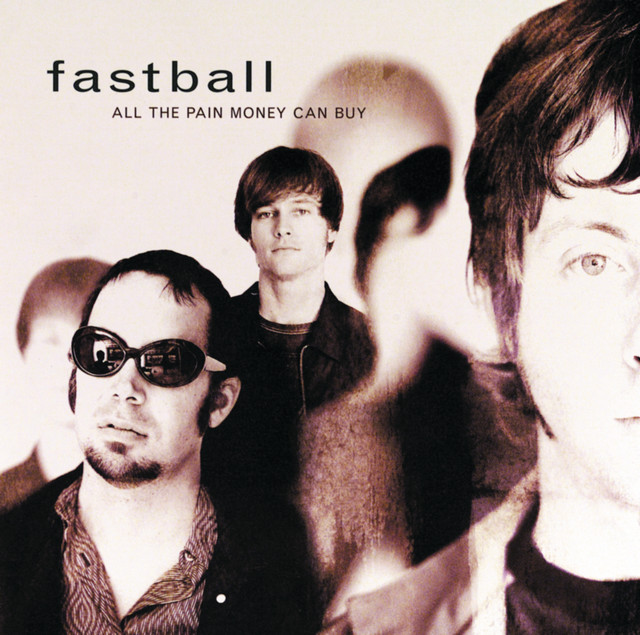
Released from All the Pain Money Can Buy, the song arrived in 1999 and became one of Fastball’s key follow-up hits after “The Way.” Factually, it was written by Tony Scalzo, released from the band’s 1998 album, and peaked at No. 20 on the Billboard Hot 100. It was also produced by Julian Raymond and Fastball, with a sound shaped by piano and Hammond organ. Those details are widely noted in reference coverage such as Wikipedia and chart archives.
The Core Idea Beneath the Catchy Hook
At its center, this is a song about waking up to one’s own emotional blindness. The narrator looks back and wonders if they were effectively asleep during an important relationship. When they ask if they were out of my head
or out of my mind
, the question is not really about literal madness. It is about shame.
They are asking how they missed what now seems obvious.
Interpretation: The song suggests that harm in relationships is not always cruel on purpose. Sometimes it grows from confusion, avoidance, or waiting too long to speak honestly. That is why one of the song’s strongest ideas is the contrast between intentions and consequences. The narrator insists they did not want to cause pain, but they now understand that good intentions do not erase damage.
Watch the official Out Of My Head
music video
A Relationship Song About Missed Signals
The first verse gives the song its emotional map. The narrator compares life to being drunk behind the wheel
, which creates a vivid image of unstable judgment. That metaphor does not have to mean addiction or reckless behavior in a literal sense. More likely, it shows someone moving through love and possibility without steady control.
Then the lyric turns toward language and misunderstanding. The song says there is more than one way to express a feeling, which hints that both people may have failed to say what mattered clearly. Later, the narrator admits they were waiting for an indication
or, in the final variation, an invitation. That small change matters.
It shows a person who kept expecting a signal instead of stepping forward. In other words, they may have let passivity become its own kind of mistake.
Why the Chorus Lands So Hard
Fastball built this song around a chorus strong enough to carry repeated returns. Songfacts notes that the structure is unusual: a verse and chorus arrive, and then the chorus repeats rather than opening into several new verses. That design makes the song feel trapped in one looping thought.
That thought is regret.
Was I out of my head? Was I out of my mind? How could I have ever been so blind?
Because the song keeps circling these lines, the listener feels the narrator’s disbelief. They are not defending themselves as much as replaying the moment of realization. Interpretation: The repetition mirrors rumination, the mental habit of going over the same mistake again and again.
The Quiet Lines That Reveal the Most
Some of the most revealing words are not the famous hook. They are the softer lines about action, apology, and silence. When the narrator says only what I do
matters more than what they say, the song rejects empty reassurance. That is a mature idea in a very compact pop song.
Then comes the apology: I never mean to do bad things
. The point is not that intention excuses behavior. It is the opposite. The narrator finally sees that another person was hurt anyway.
The closing thought, where they say they finally woke up and ask the other person to speak if they are sad, adds one more layer. It is tender, but also flawed. Even in apology, they still seem to rely on the other person to voice pain clearly. That keeps the song human. The narrator is learning, but not perfectly.
How the Sound Supports the Meaning
Part of the reason the song lasts is its sound. Reference sources describe it as an alternative rock ballad with gospel influence, led by Hammond organ and piano. That choice gives the record warmth and a slightly soulful ache instead of heavy drama.
Tony Scalzo’s lead vocal is especially important. Songfacts quotes him saying he aimed for an intimate performance, close to the microphone, influenced by the quieter side of Elvis Costello’s delivery. That soft vocal makes the song feel like a confession said in a small room, not a speech shouted across one.
Even the arrangement helps the meaning. The track is only about 2:32, so nothing is overstated. It arrives, admits the wound, and leaves. Billboard reviewer Chuck Taylor called it ultra-simple and super-catchy
, which fits the song well: its simplicity is exactly what makes the emotion hit.
Artist Context Makes the Lyrics Richer
Tony Scalzo told Songfacts, briefly, that he was a “struggling musician” when he wrote the song and was thinking about recurring situations and hoping things would work out. That does not prove the song is purely autobiographical, but it does shape the mood.
Interpretation: The relationship in the song may also reflect a broader life feeling—being ambitious, uncertain, and slightly disoriented while waiting for signs that the future will open up. That helps explain why the lyrics feel both romantic and existential. They are about a person, but also about not trusting one’s own judgment.
The song’s afterlife supports how memorable that chorus is. An adapted version of it later appeared in Machine Gun Kelly and Camila Cabello’s “Bad Things,” showing how durable the hook remained in pop culture.
Why the Song Still Connects
The meaning of Out Of My Head Fastball still resonates because it captures a common truth: people often understand a relationship clearly only after they have already damaged it. The song is catchy enough for radio, but its real power is in how gently it stages remorse.
It does not present a villain. It presents a person who finally sees.
That is why the song still feels fresh. It understands that love can fail through noise, silence, hesitation, and blindness all at once.
Disclaimer: This article mixes verified facts about the song’s release, credits, and reception with clearly labeled interpretation of its lyrics and themes. As with most songs, meaning can vary from listener to listener.







