Why 'Slash Dot Dash' Sounds Like the Internet
The meaning of Slash Dot Dash Fatboy Slim becomes clearer once listeners stop looking for a normal story. This is not a song built on characters, confession, or plot. Instead, Fatboy Slim turns the language of web addresses into rhythm, attitude, and noise.
"Slash Dot Dash" - Fatboy Slim
Slash dot dash dot slash dot dash dot slash dot dash dot slash dot com, Dot com, Dot com, Dot dot dot, Dot com,
Slash dot dash dot slash dot dash dot slash dot dash dot slash dot com,
Loading lyrics...
Unable to load lyrics
We're unable to display the lyrics at this time. Please try again later.
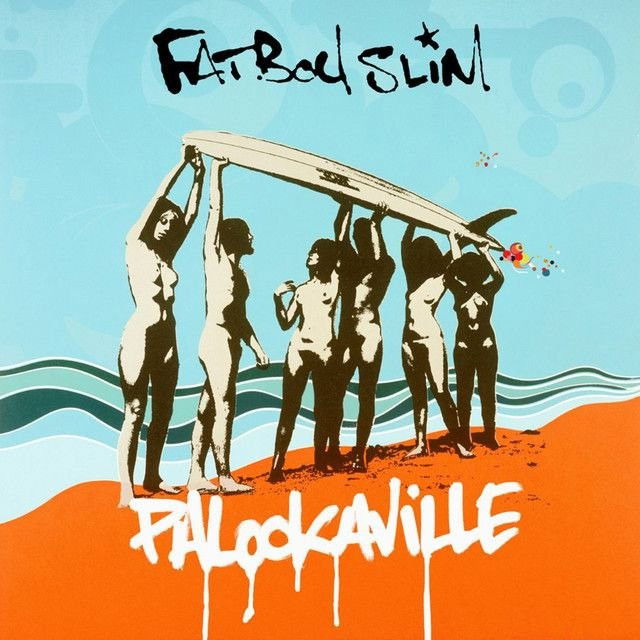
Released in 2004 as a single from Palookaville, the track came from Norman Cook at a point when his big beat style was already famous for turning fragments, loops, and punchy grooves into something larger than their parts. According to the available release information, the song came out on September 20, 2004, and Cook also played bass on it. It later appeared on The Greatest Hits – Why Try Harder as well. Those facts matter because they frame the song as both a standalone single and part of his larger, hit-making identity.
A Hook That Means More Than It Says
On paper, the lyric looks almost blank. The hook repeats fragments like slash dot dash dot
and dot com
until they stop feeling like mere words. They become percussion.
That is the first key to the song’s meaning. Fatboy Slim takes a phrase tied to the internet and strips it down to its sounds. In everyday life, a web address is practical. In this song, it becomes obsessive, robotic, and strangely playful.
Interpretation: the repetition suggests how digital culture flattens language into commands, symbols, and shortcuts. The song does not argue this in a serious, essay-like way. It performs it. Listeners hear a world where communication is reduced to signs, branding, and endless loops.
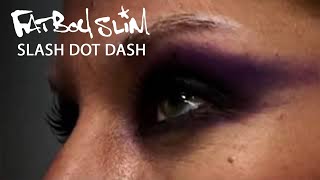
Watch the official Slash Dot Dash
music video
The Early-2000s Internet as Pop Material
The track makes even more sense in its moment. In 2004, dot com
still carried a strong cultural charge. It sounded modern, commercial, and a little ridiculous all at once.
That helps explain why the song can feel both celebratory and satirical. It rides the excitement of digital culture, but it also turns that culture into nonsense-syllable chant. Fatboy Slim does not offer a detailed critique. Instead, they let the absurdity sit in the open: if a dancefloor can shout dot dot dot
, then internet language has already become pop spectacle.
Research also notes that the vocal hook samples Ricky V. Valentine’s “Ghetto Classics,” specifically a DJ-style website plug. That origin matters because it means Fatboy Slim did not invent the phrase from nowhere. They heard the promotional language of the web and recognized its rhythm, then exaggerated it into a full song concept.
How the Sound Carries the Joke
The production does much of the interpretive work. The track is short, fast, and aggressive, with a tightly wound beat and a clipped vocal loop that feels almost mechanical. There is also a sharp guitar presence and a live bass part from Cook, which gives the record some grit beneath its digital surface.
That mix is important. The song is not sleek in a futuristic way. It is scrappy, crowded, and abrasive. That makes the internet feel less like a utopia and more like an overload.
Interpretation: the music mirrors a browser tab frenzy before smartphones made digital life feel seamless. Rather than sounding smooth, it sounds jagged. That jaggedness turns the title phrase into something between a command line and a chant at a warehouse party.
Not a Story Song, but Still a Character Study
Even without verses, the track still implies a speaker and a world. The voice acts less like a person and more like a machine-DJ hybrid, spitting out symbols instead of thoughts.
slash dot dash dot
slash dot com
In that tiny pattern, listeners can hear compression. Whole identities are reduced to branded syntax. Human expression gets swapped for repeatable code.
That is why the song can feel funny and uneasy at the same time. It is catchy, but it also sounds trapped. There is movement everywhere, yet almost no development. The loop keeps going because the loop is the point.
Reception Helps Explain the Divide
Critical reaction was mixed to negative. Some reviewers felt the track repeated older Fatboy Slim moves rather than opening a new chapter. One review described it as half-cocked
, while another attacked its emptiness. Those reactions make sense if someone expects a richer song structure or a major reinvention.
But commercial performance tells a different story. The single reached No. 12 on the UK Singles Chart and also charted strongly in Spain, Italy, and UK dance listings. That split suggests the track worked better as a physical experience than as a lyrics-on-paper song. It is easier to understand in motion than in analysis.
The Video Pushes the Meaning Further
The Tim Pope-directed video, which shows people vandalizing and dancing in a bathroom, adds another layer. The imagery of scribbling, mess, and impulsive movement fits the song’s obsession with marks and symbols.
A slash, a dot, a dash: these are tiny graphic units. The video turns that idea visual through graffiti and bodily chaos. The result is not elegant digital order. It is messy human release.
That matters because it stops the song from becoming purely cold or computerized. Even if the language sounds machine-like, the energy behind it is wild and physical.
So What Is "Slash Dot Dash" Really About?
The best answer is simple: the meaning of Slash Dot Dash Fatboy Slim lies in how it transforms internet language into a dance record about repetition, modern noise, and cultural overload. It captures a moment when web culture was becoming mainstream enough to be mocked, sampled, and shouted in a club.
Interpretation: listeners can hear it as satire, celebration, or both at once. It may be poking fun at digital emptiness, or it may just enjoy the weird music hidden inside tech jargon. Most likely, it does both.
In the end, the song is memorable because it makes symbols feel physical. Fatboy Slim turns punctuation into groove.
Disclaimer: This article offers interpretation based on the song’s lyrics, sound, and documented context. Meaning can vary from listener to listener.








