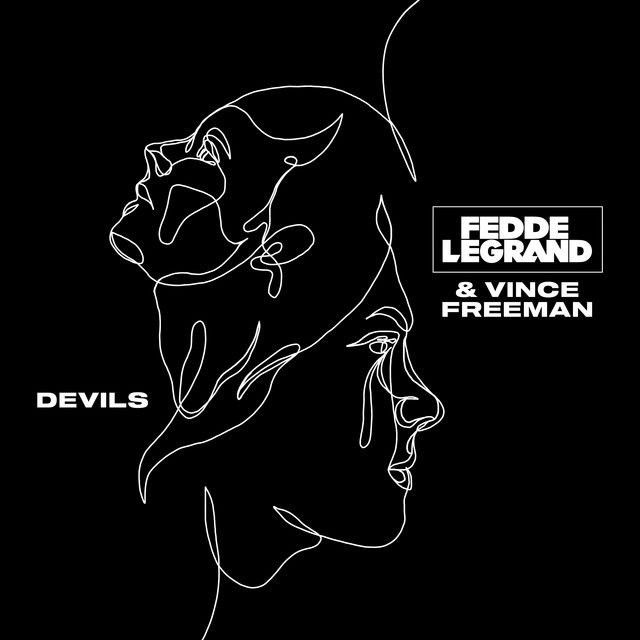
Why 'Devils' Feels Like a Cry for Rescue
The meaning of Devils Fedde Le Grand, Vince Freeman comes down to a painful split inside the self. The song follows someone who feels they have traded away part of their identity, fallen into bad habits, and no longer recognizes the person they have become. Instead of sounding proud or rebellious, they sound scared, tired, and desperate for real connection.
"Devils" - Fedde Le Grand, Vince Freeman
For nothing at all
Feels like my rights have a been made wrong
Loading lyrics...
Unable to load lyrics
We're unable to display the lyrics at this time. Please try again later.
That emotional angle matters because this is not just a dark dance track. It is a song about moral drift, loneliness, and the need for someone who can still see the person underneath the damage.
The Heart of the Song Is Inner Conflict
At its core, “Devils” is about a person who feels trapped between impulse and conscience. Early on, the speaker suggests they have paid too high a price, using the image of having sold my soul
. That phrase is familiar, but here it does not mean fame or glamour. It points to regret. They feel they gave something away and got almost nothing back.
The next lines deepen that feeling. They think their life has been pushed off course, and they ask what they have done. This self-questioning turns the song inward. Rather than blaming the world, the speaker sounds like someone waking up to the consequences of their own choices.
Interpretation: The song can be heard as a portrait of addiction, burnout, or emotional self-sabotage. The lyrics never name one exact problem, which is why the song feels broad and relatable.

Watch the official Devils
music video
The Chorus Turns Temptation Into a Daily Weight
The chorus gives the song its central symbol: devils on my shoulder
. That image usually means temptation, but the line becomes heavier because it is paired with my angels have gone
. In plain terms, the speaker feels that whatever once guided or protected them is missing now.
This is why the chorus hits so hard. It is not just saying they are tempted. It is saying they feel abandoned by their better instincts.
The repeated question Is this what I want?
makes the chorus even sadder. They are not acting with confidence. They are unsure whether the life they are living matches who they really are.
A Search for Identity, Not Just Relief
One of the strongest ideas in the song is identity loss. The speaker asks who they are and why they have become colder. That detail matters. “Colder” suggests emotional numbness, distance, and maybe shame. They are not only hurting; they are also afraid that hurt has changed their character.
Later, they admit they have been performing for too long, saying they have been dressed up for way too long
. This hints at wearing a mask, keeping up an image, or living by expectations that no longer fit.
Interpretation: This part of the song may speak to public life, nightlife culture, or the pressure to keep playing a role even after it stops feeling real. Because Fedde Le Grand comes from the electronic dance world and Vince Freeman brings a raw singer-songwriter voice, the song sits in a space where image and authenticity can clash.
Why the Plea for Help Feels So Personal
The most human part of the lyric is the repeated request for someone to help. The speaker says they need someone to break my fall
and someone who truly knows them. That is important. They are not asking for applause, distraction, or romance in a vague sense. They want recognition.
They want someone who knows who they are beneath the damage and confusion. The line about opening doors suggests they cannot get back to themselves alone. They need intervention, honesty, or love strong enough to break through denial.
Someone who knows me
Someone who knows who I am
Those lines act like the emotional center of the track. Everything else in the song points toward that need: not escape, but understanding.
How the Sound Reinforces the Message
Fedde Le Grand is widely known as a Dutch DJ and producer in house and dance music, with international recognition from tracks like “Put Your Hands Up For Detroit” and a long-running festival and club presence. Vince Freeman is known for a gritty, soulful voice shaped by rock and blues influences. Those broad career facts help explain why “Devils” works so well as a collaboration: one artist brings momentum and scale, while the other brings exposed emotion.
In musical terms, the production supports the lyric’s tension. The beat gives the song forward motion, but the vocal phrasing carries strain and vulnerability. That contrast mirrors the story. The track moves like a club record, yet the words sound like a confession.
The build-and-release structure also fits the theme. Dance production often creates pressure before a drop, and here that pressure feels psychological. The listener hears someone trying to hold themselves together while the arrangement keeps pushing forward.
Two Strong Ways to Read “Devils”
There are at least two believable readings of the song:
- Personal collapse: The speaker is dealing with destructive habits, guilt, and a fading sense of self.
- Life in performance mode: The speaker has spent too long acting out a role and now feels cut off from authenticity.
Both readings fit the lyric well. The references to a lost “kingdom,” a false outer layer, and needing someone who truly knows them all support that double meaning.
Why the Song Still Connects
The meaning of Devils Fedde Le Grand, Vince Freeman lasts because it captures a common fear: the fear of waking up and realizing they have become someone they never meant to be. It turns that fear into a simple, memorable set of images—shoulders, angels, doors, falling—and lets the listener fill in the details from their own life.
That is also why the song feels moving instead of melodramatic. It is not only about darkness. It is about the hope that someone, somewhere, still sees the real person underneath it.
Disclaimer: This interpretation is based on the released lyrics, performance, and musical context. As with most songs, meaning can vary from listener to listener.








