Why "Take a Picture" Still Hits Hard
The meaning of Take a Picture Filter becomes clearer once they know the song is not a sweet photo-ballad at all. It is a song about public embarrassment, loneliness, and the strange wish to preserve a moment they may not even want to relive.
"Take A Picture" - Filter
Awake on my airplane
My skin is bare
Loading lyrics...
Unable to load lyrics
We're unable to display the lyrics at this time. Please try again later.
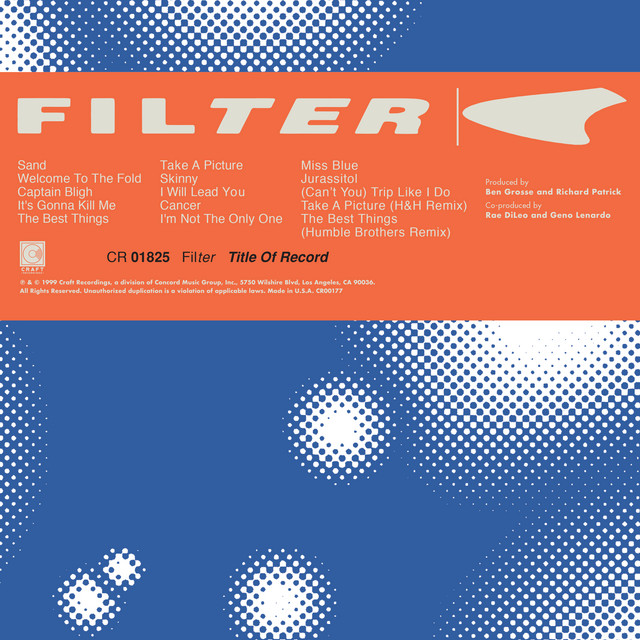
Filter released "Take a Picture" on Title of Record in 1999, and it became the band's biggest crossover hit during a period when they were moving beyond the harsher industrial sound of their debut. Richard Patrick later explained that it grew out of a real drunken incident on an airplane, where he caused a scene and felt emotionally wrecked afterward. That backstory is widely cited by Songfacts and reflected in band histories such as Wikipedia's Filter entry.
A Pop Hook Wrapped Around a Breakdown
On the surface, the song sounds bright and clean. Underneath, it tells a messier story. The opening image, awake on my airplane
, places them in a suspended space: not fully grounded, not fully in control.
That matters because airplanes often symbolize isolation. They are trapped in public, but emotionally alone. When the song moves into I feel like a newborn
, it does not sound peaceful. It sounds exposed, disoriented, and helpless, as if they have been stripped down to raw feeling.
Interpretation: The song presents shame as a kind of rebirth. They are not becoming innocent again; they are being forced into vulnerability.

Watch the official Take A Picture
music video
The Chorus Turns Memory Into Panic
The key line is the plea to have the moment documented because they won't remember
. Before and after that phrase, the idea is simple: they know something is happening, but they are already slipping away from it.
That makes the chorus more unsettling than it first appears. Asking someone to take a picture is not about vanity here. It sounds like proof, evidence, even punishment. If memory fails, the image remains.
Could you wanna take my picture?
'Cause I won't remember
This is the song's emotional center. The speaker seems split in two: one part is acting out, while another part watches from a distance and knows the aftermath will be ugly.
Privacy, Exposure, and Self-Disgust
The middle section gets more confrontational. When Patrick sings about not believing in your sanctity
and privacy, the song attacks the polite rules that usually keep public life orderly.
In plain terms, they are saying that once a breakdown starts, social boundaries stop feeling real. Privacy collapses. Dignity collapses too. The line about hypocrisy suggests anger not only at other people, but also at themselves.
Interpretation: This part can be heard as the mindset of someone in crisis who feels judged by a crowd yet also resents the crowd's false decency. Everyone watches, nobody helps, and afterward everyone acts shocked.
The Father Line Changes the Whole Song
The most revealing moment may be Hey, Dad
. In a few words, the song stops being only about one bad night and becomes about approval, failure, and family wounds.
Patrick told Artist Direct, as quoted by Songfacts, that the line worked as a double meaning: part career validation, part cry for help. That explanation is important. It means the song is not just saying, "Look at my success." It is also asking whether a parent can see the pain behind the success.
That gives the song a deeper emotional frame:
- A public incident triggers shame.
- Shame reopens old family tensions.
- Fame does not protect them from needing approval.
So the song's vulnerability is bigger than intoxication. It is about wanting to be seen correctly and fearing that they never will be.
Why the Sound Makes the Meaning Stronger
Part of why the song lasted is its arrangement. Filter came from a heavier industrial and alternative rock background after Patrick left Nine Inch Nails and formed the band in 1993 with Brian Liesegang, according to Wikipedia. But "Take a Picture" softens the edges.
Instead of brute force, the track leans on melodic guitar, polished production, and a light, floating rhythm. That cleaner sound mirrors the title itself: a picture looks neat, even when the reality behind it is chaotic.
Interpretation: The production acts like a filter in both senses. It smooths the emotional surface while letting the hurt show through. That contrast is why the song can sound radio-friendly and still feel haunted.
Why It Connected Beyond the Backstory
"Take a Picture" reached a broad audience, peaking at No. 12 on the Hot 100 according to Songfacts, and it helped make Title of Record a major success. Listeners likely connected because the details are specific, but the emotions are common.
Many people know the feeling of waking up ashamed, replaying a scene they barely remember, or wanting someone important to finally understand them. Even if they have never caused a scene on a plane, they may recognize the mix of exposure, regret, and need.
That is the lasting answer to the meaning of Take a Picture Filter: it is a song about what happens when a public mess reveals a private wound. The camera in the chorus is not just recording an incident. It is capturing a fractured self.
The Lasting Snapshot
Filter turned one humiliating event into a song that feels much larger than its source. It is about memory loss, yes, but also about loneliness, family pressure, and the cost of falling apart in front of others.
That is why the song still lands. It sounds smooth, but it is really about a person seeing their own life from the outside and not liking the picture.
Disclaimer: This article offers a mix of documented context and clearly labeled interpretation. Song meaning can remain open, even when artists explain part of the story.







