Why FireHouse's Plea Still Hits Hard
The meaning of Don't Treat Me Bad Firehouse starts with a simple idea: love should not require humiliation. FireHouse turns that message into a hard-rock anthem about someone who feels used, keeps coming back, and finally draws a line.
"Don't Treat Me Bad" - Firehouse
I guess you live and learn
That when you're playin' with fire, you're bound to get burned
Loading lyrics...
Unable to load lyrics
We're unable to display the lyrics at this time. Please try again later.
Released as the band’s debut single from FireHouse in 1990, the track helped introduce the American hard-rock group before later ballads pushed them further into the mainstream. Their self-titled album would go on to become a major success in the U.S., and the song itself reached the Top 20 on the Billboard Hot 100, according to widely cited band histories and song references.
A Love Song With Its Guard Up
At its core, the song is about emotional mistreatment inside a relationship that has not fully ended. The speaker is hurt, frustrated, and tired of being pulled back into the same cycle. They admit the relationship has already caused damage, but they are still asking for repair instead of total escape.
That is why the opening idea matters so much. When the song mentions playin' with fire
, it frames love as both tempting and dangerous. The narrator knows the risk, and yet they stayed long enough to get burned.
Interpretation: The song is not only about romantic pain. It is about the moment when attraction stops excusing bad behavior.

Watch the official Don't Treat Me Bad
music video
The Push and Pull Inside the Verses
The verses give the song its emotional shape. First, the narrator admits surprise and disappointment. Then they confess a pattern: they have been hurt before and still return. A short line like come back for more
shows how trapped they feel.
That detail is important because it keeps the song from becoming a simple blame story. The narrator is not pretending to be fully in control. They know they have helped keep the cycle going.
Hurt, Hope, and One Last Chance
Even after all that frustration, the song does not jump straight to revenge or goodbye. Instead, it imagines rebuilding. The narrator says, in effect, that the tears have solved nothing and the couple could still try to fix things.
This is where the song becomes more emotionally layered than its title suggests. It is not just a threat or command. It is also a plea. The line start it all again
reveals that they still want the earlier version of the relationship back.
Why the Chorus Lands So Hard
The chorus is the emotional center, and FireHouse keeps it direct. The repeated phrase don't treat me bad
is not poetic in a complicated way. It works because it sounds like the clearest sentence someone can say when they have reached their limit.
The next part raises the stakes by saying the relationship could still be valuable. In paraphrase, the narrator insists this love could be the best thing the other person has, but only if they stop causing harm. That mix of confidence and desperation gives the chorus its punch.
Baby, don't treat me bad
You can do anything
but not this one thing.
Interpretation: That moment suggests the narrator is flexible about many flaws, but disrespect is the final boundary.
The Sound Makes the Meaning Bigger
FireHouse came out of the late-1980s hard rock scene, and the production style matters here. The song uses crunchy guitars, a bright arena-ready chorus, and a driving beat that keeps the pain from sounding defeated. Instead of collapsing under heartbreak, the track pushes forward.
That is a big reason the song worked as a debut single. FireHouse balanced melodic hooks with enough guitar force to fit the glam metal and hard rock world they came from. The band formed in 1984, later signed to Epic Records, and built early momentum with songs like this before ballads such as "Love of a Lifetime" broadened their audience.
A Vocal That Mixes Swagger and Wound
Carl Snare’s vocal approach is key to the song’s meaning. He does not sing like someone quietly reflecting after the fact. He sounds like someone in the middle of the argument, still emotional, still invested, still trying to be heard.
That delivery keeps the song from becoming cold. Even when the narrator sounds proud, the voice carries strain. The result is a classic hard-rock tension: toughness on the surface, vulnerability underneath.
FireHouse Context Sharpens the Song
Reporting on the track’s creation often points to C.J. Snare and Bill Leverty as the main creative forces behind its structure, with the full band shaping the finished song. Song reference material also notes that Snare recalled beginning it at the piano before it changed form in the full-band arrangement.
That origin story helps explain why the song feels both melodic and muscular. It likely began with strong chord movement and then gained its arena-rock edge through guitar, drums, and band dynamics.
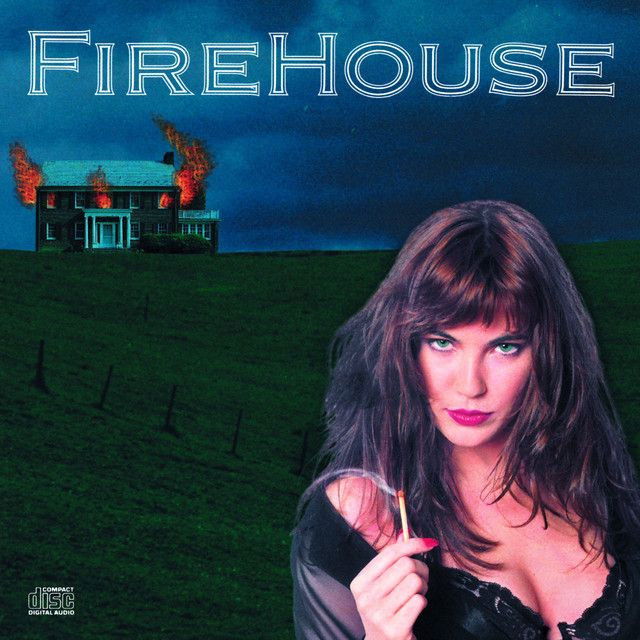
The imagery around the release also reinforced the message. Contemporary descriptions of the video and album art leaned into the idea of a dangerous lover, matching the lyric theme of desire mixed with damage.
A Song About Boundaries, Not Just Heartbreak
The lasting appeal of the meaning of Don't Treat Me Bad Firehouse is that it captures a very common emotional contradiction. People can know a relationship is unhealthy and still want it to survive. They can feel anger and attachment at the same time.
That is what the song understands well. It presents someone who is not ready to leave, but is finally ready to say enough. In a genre often built on exaggerated romance, FireHouse made a hit out of a much more grounded truth: love without respect will eventually feel unbearable.
The Last Word on Its Meaning
For many listeners, this remains one of FireHouse’s best early songs because it pairs a big hook with a very human conflict. It is catchy, loud, and easy to sing along with, but its emotional center is serious. The narrator is asking for basic decency inside a relationship that has become painful.
That is why the song still connects. It turns frustration into a chorus and hurt into a boundary.
Disclaimer: This interpretation is based on the released lyrics, performance, and available background on the song. Like most popular music, it can support more than one reasonable reading.







