Why 'Let No Man Put Asunder' Still Cuts Deep
The meaning of Let No Man Put Asunder First Choice comes down to one powerful idea: they present a breakup not as a clean ending, but as a bond the singer believes should never be broken. What makes the song memorable is that it does not sound calm or reflective. It sounds urgent, wounded, and determined.
"Let No Man Put Asunder" - First Choice
Remember the good times
Don't you want some more
Loading lyrics...
Unable to load lyrics
We're unable to display the lyrics at this time. Please try again later.
Rather than simply begging someone to stay, the narrator argues that the relationship has a larger force behind it. Love, in their view, is not just a feeling. It is a commitment with spiritual weight.
A breakup plea wrapped in sacred language
At the start, the scene is simple and vivid. A suitcase by the door signals that one partner is leaving. From there, the singer tries to stop the split by reminding them of the past and insisting the relationship is worth saving.
The most important move in the lyric is the use of marriage-style language. The chorus centers on let no man put asunder
, a phrase tied to Christian wedding vows and the Gospel wording about what God has joined together. In plain terms, the singer is saying: this connection is not just personal preference, so no outside force—or even one partner's impulse—should tear it apart.
That is why the song feels bigger than a standard love plea. It turns private heartbreak into a moral and spiritual argument.

Watch the official Let No Man Put Asunder
music video
How the verses build the song's emotional case
The verses are full of persuasion. The narrator admits the love is imperfect, but still insists it deserves defense. That matters because the song does not describe a fantasy romance. It describes a real one with flaws.
Short lines like not a perfect love
and too good to throw away
show that the singer is not claiming paradise. They are saying the bond is valuable precisely because it has survived difficulty.
There is also a strong sense of refusal. When they repeat it's not over
, the phrase works like both hope and denial. On one level, it sounds romantic. On another, it suggests someone who cannot accept the other person's decision.
Interpretation: This tension is the heart of the song. Listeners can hear it as devotion, but they can also hear a possessive streak inside the devotion.
The chorus turns heartbreak into a declaration
The chorus is what gives the song its lasting force. Instead of focusing only on sadness, it transforms pain into a public statement. The singer is not whispering regret. They are declaring that the relationship should stand.
What has been joined by God
Let no man put asunder
Oh, don't throw it away
This is the song's central emotional pivot. The breakup is framed not just as unfortunate, but as wrong. The plea becomes an argument, and that makes the song feel unusually intense.
The phrase don't throw it away
adds another layer. It suggests the relationship is something built, held, and at risk of being discarded too casually. That image makes the loss feel preventable.
Love, fate, and control all at once
One reason the song remains fascinating is that it mixes tenderness with ownership. The singer believes the couple belongs together, and they express that belief in language of destiny and certainty.
When the lyric suggests that the bond is meant to be and even the universe seems to confirm it, the message becomes larger than personal memory. The singer is no longer just saying, "I miss you." They are saying, "This is how things are supposed to be."
Interpretation: That can be heard in two ways:
- as deep faith in a lasting relationship
- as an inability to accept another person's freedom to leave
That ambiguity gives the song its bite. It is romantic, but it is not soft.
Why the disco sound matters so much
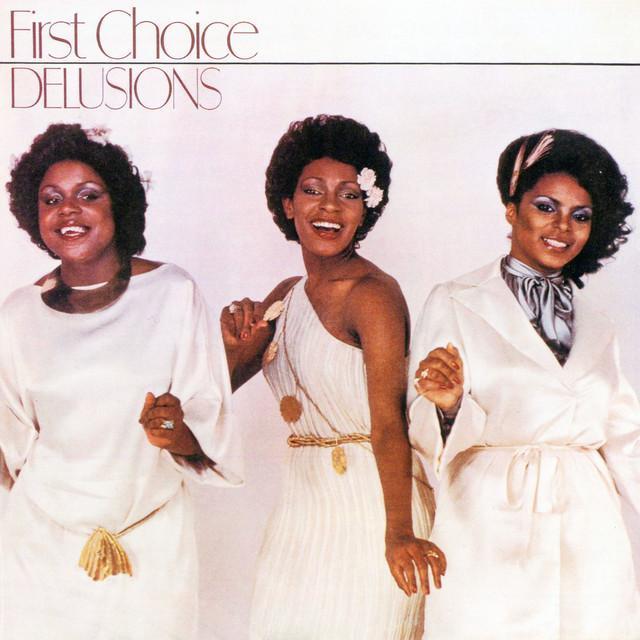
First Choice were a Philadelphia vocal group strongly associated with the city's soul and disco tradition, and that matters here. The song's groove keeps the emotion moving forward instead of letting it sink into self-pity. In dance music terms, the body keeps going even when the heart is in crisis.
The production style often linked to the era's club records—steady beat, pulsing bass, bright strings or keys, and dramatic vocal repetition—helps the message land harder. The repeated hook feels almost ritualistic. Every return to it's not over
sounds less like a passing thought and more like a vow.
That contrast is crucial. The track is danceable, but the emotional content is heavy. That combination is part of why club culture has kept the song alive for decades. Its rhythm invites release, while its lyric holds onto conflict.
Why the song still connects today
The meaning of Let No Man Put Asunder First Choice still resonates because many listeners know the feeling of wanting love to survive even when a relationship is breaking down. The song captures that desperate stage where memory, faith, pride, and longing all blur together.
It also speaks to a larger truth about disco and soul: these genres often put complicated emotions inside music built for movement. Here, dancing and pleading happen at the same time.
In the end, the song is about more than reunion. It is about the human need to believe a meaningful bond cannot simply be packed into a suitcase and walked out the door.
Disclaimer: This article offers an interpretation of the song based on its lyrics, performance, and musical context. Different listeners may reasonably hear its meaning in different ways.







