Why ‘Hell to Pay’ Hits So Hard
The meaning of Hell to Pay Five Finger Death Punch centers on burnout, pressure, and the emotional cost of living too hard for too long. On the surface, the song sounds like a fight-back anthem. Under that aggression, though, it is also about damage that has already happened.
"Hell to Pay" - Five Finger Death Punch
A past I can't erase
I'm breaking, breaking apart
Loading lyrics...
Unable to load lyrics
We're unable to display the lyrics at this time. Please try again later.
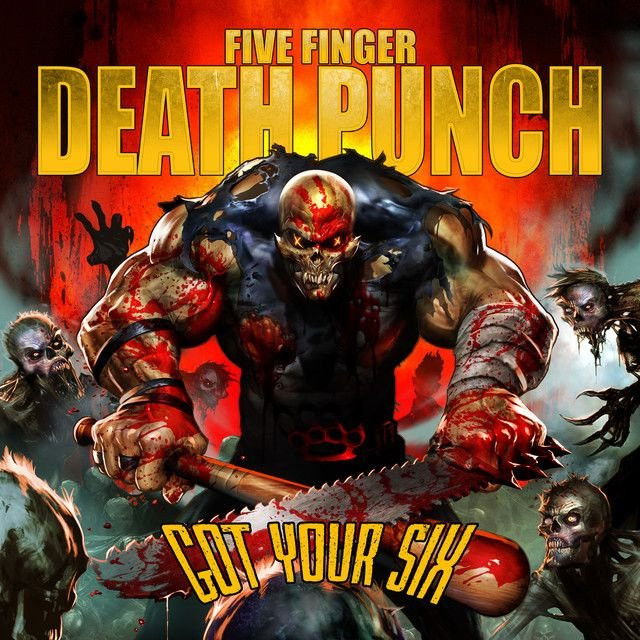
Originally released on Got Your Six in 2015, the track fits a period when the band leaned into blunt, high-impact hooks and personal conflict. According to Songfacts, guitarist Zoltan Bathory said vocalist Ivan Moody dug deep
into personal struggles, adding that if someone burns the candle at both ends, there will be “hell to pay.” That comment matters because it frames the song less as fantasy and more as fallout.
A Song About Consequences, Not Just Anger
The lyrics open with motion that goes nowhere: running in place
. That image sets up the song’s main frustration. They are not just trapped by outside pressure; they are also stuck in a loop.
The next lines add emotional wreckage. References to a past that cannot be erased and scars that remain suggest long-term damage, not a brief setback. Interpretation: this can be heard as the voice of someone dealing with addiction, fame, toxic relationships, or self-destructive habits. The song never names one cause, which is why it feels broad and relatable.
What makes the writing effective is how it pairs pain with blame. The narrator feels hunted, cornered, and watched. Yet the chorus also admits that every choice has a cost. That balance keeps the song from becoming a simple victim story.
Watch the official Hell to Pay
music video
Where the Verses Point the Listener
Pressure From Outside
In the verses, the enemy feels close. Phrases about people being after them and making it hard to breathe build a paranoid atmosphere. Whether those people are critics, rivals, former friends, or inner demons is left open.
That ambiguity helps the song work on two levels:
- a literal conflict with hostile people
- an inner conflict where shame and fear feel like attackers
Either way, the world of the song feels hostile. They are pushed into defense mode almost immediately.
Pressure From Inside
Then the lyrics turn inward. When the song admits, my love for this is gone
, it reveals something deeper than anger. This is exhaustion.
That line suggests that whatever once gave purpose now feels empty. If the song is partly about career pressure, it could point to resentment toward the machine around success. If it is about substance abuse or destructive living, it points to a person who no longer enjoys the thing that once seemed like escape.
Why the Chorus Feels So Central
The chorus is the clearest statement of the song’s emotional logic. The speaker tries to deaden pain, cannot escape, and ends up hiding behind a false front. Then comes the title idea: everything comes with a price
.
That is the heart of the song. The phrase turns personal chaos into a rule of life. Actions, coping habits, fame, rage, and denial all collect interest.
The games I had to play
The hell I had to pay
Those lines are short, but they carry a lot. They suggest survival tactics that may have worked in the moment but caused lasting damage later. Interpretation: the “games” could mean public image, industry politics, unhealthy relationships, or self-protective lies. The song does not force one reading, and that openness gives it staying power.
Defiance Changes the Mood
By the second half, the track pushes back harder. The speaker tells the enemy they are waiting for failure, but that victory will not happen. There is even a power-flip in the image of breaking your crown
.
That shift matters because it keeps the song from sinking fully into despair. They may be hurting, but they are not surrendering. In Five Finger Death Punch fashion, pain becomes fuel.
This is one reason the song connects with fans. It offers two emotional releases at once:
- recognition of damage
- a refusal to stay defeated
That combination is common in the band’s work, which often mixes confession with combat. As Wikipedia’s band overview notes, Five Finger Death Punch built their identity in heavy, aggressive styles like groove metal, alternative metal, and hard rock. “Hell to Pay” uses that musical language to make inner struggle sound like open war.
How the Sound Supports the Meaning
The production style reinforces the message. The guitars hit in thick, chugging patterns that feel mechanical and relentless, almost like a machine that will not stop. The drums drive the track forward with little room to breathe, matching the lyrics’ trapped feeling.
Moody’s vocal approach is also key. He moves between wounded melody and harsher force, which mirrors the song’s split between vulnerability and defiance. The clean-sung sections carry regret. The heavier attack carries threat and survival instinct.
The structure is simple on purpose. Repetition in the chorus works like obsession. It feels as if the same lesson keeps returning because the speaker has not escaped it yet.
The Strongest Reading of “Hell to Pay”
The most convincing reading is that the song is about living with consequences after a period of excess, conflict, or self-destruction. Bathory’s comment about personal struggles and burning life too hard strongly supports that view.
Still, the song stays flexible enough to fit many listeners’ lives. Someone can hear it as a song about addiction. Another can hear career burnout. Another may hear a break from manipulative people. All of those readings fit because the core emotion is the same: pain has piled up, and now the bill is due.
Final Take
The meaning of Hell to Pay Five Finger Death Punch is not just revenge or rage. It is about realizing that survival has a cost, then deciding to keep standing anyway.
That is what gives the song its punch. It admits scars, lost passion, and bad choices, but it never stops fighting back.
Disclaimer: This interpretation is based on the lyrics, band commentary, and publicly available context. As with most songs, listeners may find personal meanings beyond the ones discussed here.









