Why Five Finger Death Punch Wrote "Under and Over It"
The meaning of Under and Over It Five Finger Death Punch comes down to one idea: they are pushing back against gossip, internet rumors, and the fake stories that grow around public figures. Rather than asking for sympathy, the song answers that noise with sarcasm, anger, and a very clear refusal to play along.
"Under and Over It" - Five Finger Death Punch
Did you hear the one about me being a punk?
Did you hear the one about me being a drunk?
Loading lyrics...
Unable to load lyrics
We're unable to display the lyrics at this time. Please try again later.
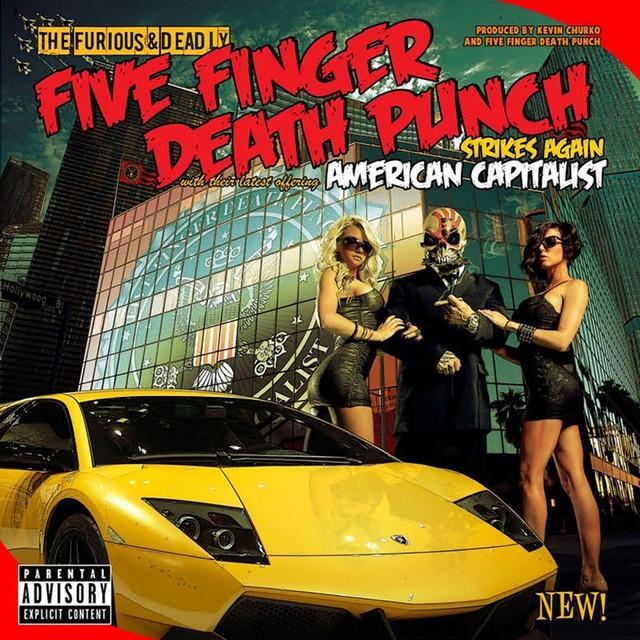
Released as the lead single from American Capitalist in 2011, the track helped widen the band’s reach and even reached No. 77 on the Billboard Hot 100, according to Songfacts. That mainstream breakthrough matters because the song is partly about the price of visibility: the more people watch, the more people talk.
Rumors, Haters, and the Real Target
Factually, the band has explained the song as a response to online talk. Songfacts cites Ivan Moody saying it was about rumors, gossip, and false information spreading online. Jason Hook also described it as a direct answer to internet haters and hostile comment threads.
That context makes the opening verse easier to read. The repeated question Did you hear the one
sounds like a joke setup, but it quickly turns into a list of accusations. The singer runs through stories about being fake, weak, changed by money, or desperate for approval. Instead of answering each claim seriously, they mock the whole process.
Interpretation: the song is less interested in proving innocence than in showing how ridiculous the rumor mill is. By stacking one accusation after another, they make the listener feel the constant pressure of public judgment.

Watch the official Under and Over It
music video
The Hook Turns Frustration Into a Mission Statement
The chorus carries the emotional center. When the singer says you can be me
and then offers fame away in exchange for peace of mind, the point is clear: celebrity is not worth much if it comes with nonstop scrutiny.
The key line, under and over it
, does two jobs at once. On one level, it means they feel buried under the weight of attention. On another, it means they are completely fed up with it. Songfacts notes that the phrase evolved from a blunter original idea, and that change actually made the message stronger. It now suggests both pressure and exhaustion.
I'll take my sanityyou take the fame
Those short lines summarize the trade-off at the heart of the song. They would rather keep their mental balance than chase the fantasy people project onto rock stars.
A Voice That Fights Back Instead of Explaining
One reason the song connected so strongly is its voice. It is confrontational, but it is also funny in a dark way. The singer does not sound crushed by criticism. They sound tired of it, amused by it, and ready to throw it back.
That is why short bursts like playing the game
and selling my soul
matter. These are common accusations aimed at successful heavy bands. The song gathers those charges and throws them into one pile, as if to say: people will say anything once a band becomes visible enough.
Interpretation: this is also a song about control. Rumors try to define a person from the outside. By turning those rumors into lyrics, they seize control of the story and reshape it as defiance.
How the Music Sharpens the Meaning
The production helps sell that defiance. The track moves with a thick, punchy groove and a sharp stop-start attack, which gives the verses a taunting rhythm. Each accusation lands like a jab, while the chorus opens wide enough to feel like a shout from the chest rather than a private complaint.
That balance matters. If the song were only furious, it might feel one-note. Instead, it is built to be catchy, direct, and easy to yell along with in a crowd. That is part of why it became a live staple, as noted by Songfacts.
There is also a smart choice in the guitar solo. Jason Hook explained in comments quoted by Songfacts that he kept it melodic and simple because that was what the song needed emotionally. That decision fits the theme. A flashy solo might have pulled attention toward technique, but a tighter approach keeps the focus on attitude and release.
The Video Adds Satire to the Message
The music video deepens the song’s meaning by mocking rock-star excess. According to Songfacts, Zoltan Bathory described it as a sarcastic take on the classic big-budget hard rock video, packed with clichés like mansions, cars, pools, and party scenes.
That matters because the lyrics criticize the myths built around fame, and the video visually exaggerates those myths. In other words, they are not just rejecting rumor; they are also parodying the fantasy image that helps create rumor in the first place.
Why the Song Still Lands
Part of the lasting appeal is how current the subject still feels. Online pile-ons, anonymous comment sections, and fast-moving half-truths are even more common now than they were in 2011. The song captures that feeling of being discussed by people who do not really know the full story.
For listeners, the song can work on two levels:
- literally, as the band’s answer to gossip and online attacks
- more broadly, as an anthem for anyone tired of being misread
That second reading helps explain its staying power. Even people far from rock fame know what it feels like to have others project motives onto them.
The Final Take on Its Meaning
So, the meaning of Under and Over It Five Finger Death Punch is not just anger for anger’s sake. It is a sharp response to false narratives, a rejection of fame without peace, and a reminder that public opinion often says more about the crowd than the person being judged.
Its lasting power comes from that mix of blunt force and self-awareness. They sound furious, but they also sound fully aware of the circus around them.
Interpretation disclaimer: song meaning is never completely fixed. This reading is based on the lyrics, the band’s public comments, and the song’s musical presentation.








