Why 'Seven Wonders' Feels Like a Lost Miracle
A memory bigger than the world
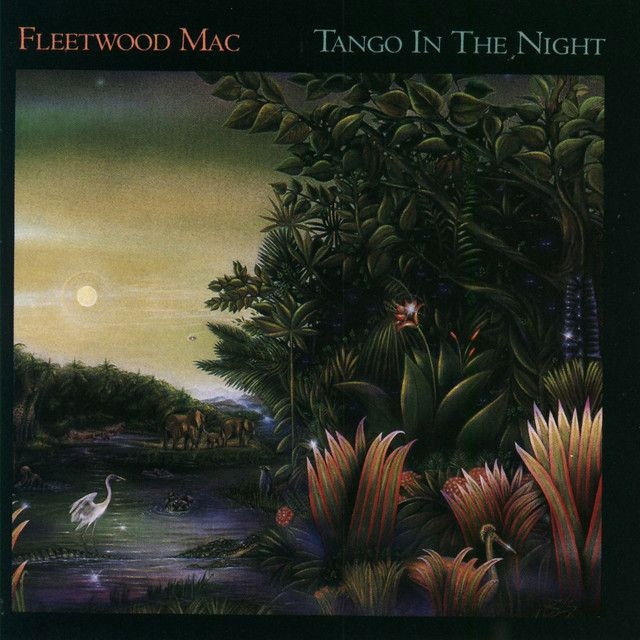
The meaning of Seven Wonders Fleetwood Mac comes down to one powerful idea: they present a brief romantic moment as so beautiful that even the world's greatest sights could not equal it. Released in 1987 on Tango in the Night, the song pairs Stevie Nicks' lead vocal with a glowing pop-rock arrangement, and that contrast matters. The music feels bright and open, while the words look backward at something already slipping away.
"Seven Wonders" - Fleetwood Mac
Certain place
Certain time
Loading lyrics...
Unable to load lyrics
We're unable to display the lyrics at this time. Please try again later.
Factually, the song appeared on Fleetwood Mac's 1987 album Tango in the Night and was issued as a single that reached No. 19 on the Billboard Hot 100. It was written by Sandy Stewart, with additional lyrics credited to Stevie Nicks, and produced by Lindsey Buckingham and Richard Dashut (Wikipedia).

Watch the official Seven Wonders
music video
The song's core story
At the center is a speaker who remembers one touch, one smile, one charged encounter. They return to a certain place
and a certain time
, not because the details are complete, but because the feeling is unforgettable. That is why the song sounds both romantic and sad.
The verses are built from fragments: a hand touched, a path taken, a look exchanged. Instead of telling a full plot, they show how memory works. People often do not remember every event in order; they remember flashes. Fleetwood Mac lean into that emotional logic.
A love that became myth
Interpretation: The song treats a real or imagined romance like a legend. The chorus does not simply say the past was nice. It says that if they lived to see the wonders of the world, it still would not match the beauty again
. That is a huge claim, and it turns personal memory into mythic scale.
This is why the title works so well. The phrase "seven wonders" suggests travel, history, and awe. But the song keeps shrinking that giant idea back down to one intimate human memory.
How the chorus changes the verses
The chorus is the emotional key to the whole song. In the verses, the memory is private and almost accidental. In the chorus, it becomes a standard by which all future beauty is judged.
If I live to see the seven wonders
I'll make a path to the rainbow's end
Those lines do not sound realistic, and that is the point. They use fantasy language to describe emotional truth. The "rainbow" image suggests chasing something dazzling but unreachable. The speaker is willing to search anyway, because the remembered moment still feels sacred.
The famous misheard lyric matters
One of the best-known facts behind the song also helps explain its dreamy feeling. Stevie Nicks has said she misheard a line in Sandy Stewart's demo and sang down to Emmeline
instead. She later kept it because she loved how it sounded, which contributed to her additional-lyrics credit (Wikipedia; Songfacts).
That story matters because the song already feels half remembered, half invented. "Emmeline" sounds like a place, a woman, or a ghost from the past. Even if listeners do not know exactly what it means, it deepens the sense that memory has become poetry.
Sound and production: why it feels weightless
The production helps carry the meaning of Seven Wonders Fleetwood Mac just as much as the words do. Lindsey Buckingham's layered approach, Christine McVie's keyboards, Mick Fleetwood's steady drums, and John McVie's bass create a smooth, floating pulse. The arrangement is polished, but not cold.
Critics often point to that balance. Cash Box praised Nicks' voice over the song's "sterling production," while later writers highlighted the hook and the "ethereal" keyboards (Wikipedia). Nicks' raspy delivery is essential here. She does not sing the memory like a neat diary entry; she sings it like someone trying to hold onto a fading vision.
Why the brightness sounds sad
Interpretation: The shiny 1980s production may seem upbeat at first, but it actually makes the loss feel sharper. The music glitters like the memory itself. That means the listener hears both wonder and distance at once.
Context inside Fleetwood Mac's world
Tango in the Night came during a tense but highly creative period for Fleetwood Mac. Nicks was less involved in parts of the album's long recording process than other members, and the band was balancing personal strain with commercial ambition. In that context, "Seven Wonders" stands out as one of the album's most direct emotional songs (Songfacts).
It also proved durable. The song later found new life when Stevie Nicks performed it on American Horror Story: Coven in 2014, helping send it back onto Billboard's Rock Digital Songs chart (Wikipedia). That revival makes sense: the song already felt haunted.
The strongest reading of the song
The best reading is simple: they sing about a brief connection that became the emotional measure for everything that followed. The wonders of the world, the rainbow's end, and the glowing production all serve that central thought.
A second reading is also possible. Interpretation: the song may be less about one person than about the painful way memory edits life. It turns one moment into perfection, whether or not it was perfect at the time.
Why listeners still return to it
"Seven Wonders" lasts because it captures a common feeling without overexplaining it. Many people know what it means to remember one encounter as larger than logic. Fleetwood Mac give that feeling scale, sparkle, and ache.
In the end, the song says wonder is not always found in monuments. Sometimes it lives in one touch, one lost chance, and one memory that refuses to fade.
Disclaimer: This article offers informed interpretation based on the song's lyrics, recording context, and reception. Meaning can vary from listener to listener.








