Why 'Hangover' Turns Excess Into an Anthem
The meaning of Hangover Taio Cruz, Flo Rida is not hard to spot on the surface: it is a party song about drinking too much, waking up rough, and still wanting the night to continue. But its real appeal comes from how boldly it embraces that cycle. The track does not hide the mess. It turns that mess into a hook.
"Hangover" - Taio Cruz, Flo Rida
I've been drinking too much for sure
I got a hangover, whoa
Loading lyrics...
Unable to load lyrics
We're unable to display the lyrics at this time. Please try again later.
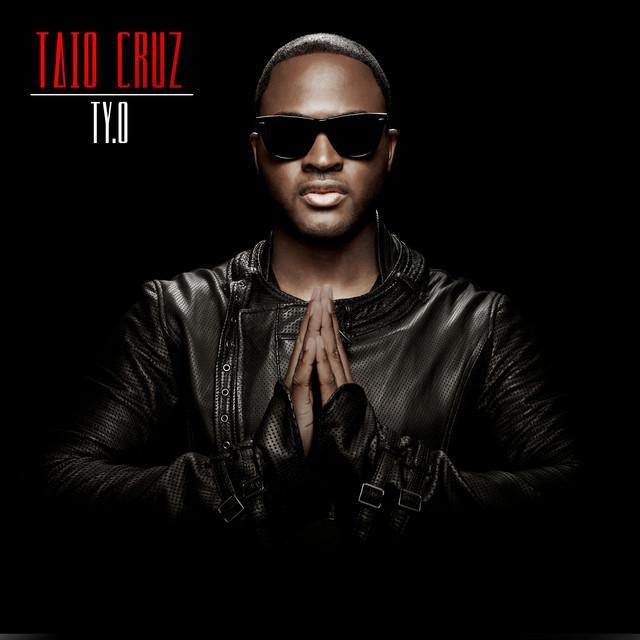
Released as the lead single from TY.O in 2011, the song featured Flo Rida and was produced by Dr. Luke, according to Songfacts. That team matters. Cruz brings pop clarity, Flo Rida brings club-rap swagger, and the production gives the whole thing a huge, synthetic rush.
The Core Idea Behind the Chorus
At the center of the song is a simple contradiction. The singer admits the cost of overdoing it, then asks for more anyway. That is the engine of the whole track.
When the chorus says I got a hangover
and follows it with pour me some more
, it captures a self-defeating loop. They know the night has gone too far, yet they treat the cure as more of the same problem. That is why the chorus feels catchy and slightly absurd at once.
Interpretation: the song is less about a literal headache than about the mindset of excess. It frames partying as a kind of endless motion where stopping feels worse than continuing.

Watch the official Hangover
music video
Youth, Rebellion, and Refusing Limits
One of the most revealing lines is don't ever ever want to grow up
. That phrase shifts the song from simple club bragging into something bigger. It links drinking to a refusal of adulthood, restraint, and consequences.
This does not mean the track offers a careful social critique. It mostly plays the fantasy straight. But that line gives the anthem a theme: partying becomes a stand-in for freedom, even if that freedom is reckless.
In that sense, the song belongs to a wave of early 2010s pop that celebrated nonstop nightlife. Cruz had already scored with party-focused hits like “Dynamite,” and Songfacts notes that he again worked with Dr. Luke here. The formula is familiar on purpose: big hook, bright synths, and lyrics built for instant crowd response.
A Character, Not a Confession
An important fact adds nuance to the song's meaning. Cruz told Artistdirect, as quoted by Songfacts, that he "doesn't drink himself" and that the song was inspired by seeing people party in Ibiza. In other words, they are performing a type, not simply reporting autobiography.
That changes how the lyrics read. Instead of hearing a diary entry, listeners can hear a pop character speaking for a whole party crowd. The repeated images of being wasted, forgetting details, and trying to keep the buzz alive are broad on purpose. They are meant to feel universal to nightlife culture.
I got a hangover
I've been drinking too much
pour me some more
Those lines are the whole story in miniature: consequence, admission, and repetition.
What Flo Rida Adds to the Song
Flo Rida's verse does not deepen the story emotionally, but it does expand the atmosphere. His delivery is louder, more chaotic, and more comedic. He piles up drinks, disorder, and bravado until the song feels almost cartoonish.
That matters because it keeps the track from sounding reflective. If Cruz's hook is the hangover after the party, Flo Rida's verse drags the listener right back into the room. The mood becomes less regretful and more performative.
Interpretation: Flo Rida acts like the voice of the crowd's bad influence. He turns excess into competition, making the song feel like a celebration of going too far rather than a warning about it.
How the Production Sells the Fantasy
The production is a huge part of why the song worked. Dr. Luke gives it a polished dance-pop frame: hard beat, bright synths, and a chorus built to explode in clubs. The music is clean and shiny even when the lyrics describe sloppy behavior.
That contrast is key. A truly grim arrangement would make the song feel ugly. Instead, the track sounds fun, fast, and almost weightless. The booming rhythm keeps pushing forward, matching the lyric idea of wanting to keep it going
no matter what.
Cruz also sings the hook with a simple, almost chant-like force. That makes the song easy to remember and easy to shout along with, which is exactly the point. It is built less like a confession and more like a crowd ritual.
Is There a Hidden Critique?
Most listeners hear “Hangover” as a straightforward party anthem, and that reading is fair. The song plainly enjoys its own excess. The video even leaned into comedy by parodying The Hangover, as noted by Songfacts.
Still, there is another possible reading. Because the chorus is so blunt and repetitive, the track can also sound like a parody of immature nightlife habits. The singer knows the routine is ridiculous, yet keeps repeating it. That circular logic may be part of the joke.
Either way, the emotional message is clear: this is a song about choosing impulse over responsibility and turning the aftermath into part of the party.
Why the Song Still Makes Sense Today
The meaning of Hangover Taio Cruz, Flo Rida lasts because it captures a familiar social script. People push too far, laugh about the consequences, and treat self-control like a buzzkill. The song packages that cycle into one of the simplest hooks of its era.
It is not subtle, and it is not meant to be. Its power comes from exaggeration. By making the hangover itself sound like an anthem, Cruz and Flo Rida turn reckless repetition into a pop spectacle.
Disclaimer: This interpretation separates documented facts from critical reading. Meanings in pop songs can vary by listener.








