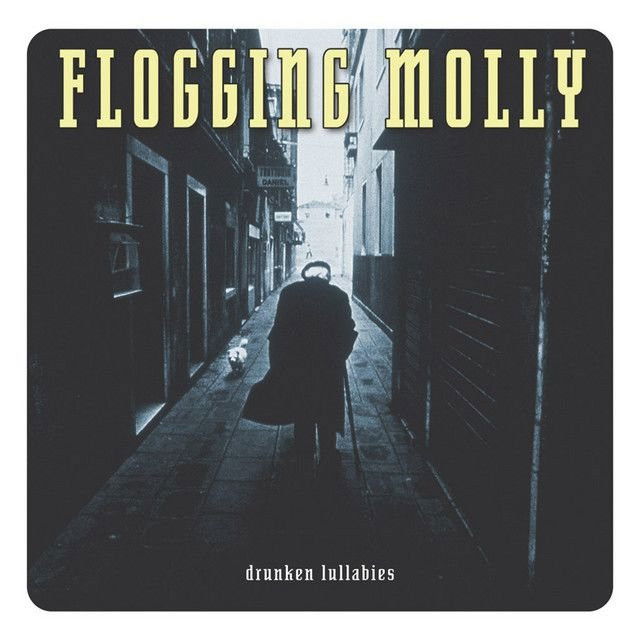
Drunken Lullabies by Flogging Molly
They play it like a toast and a warning. The title track from Flogging Molly’s 2002 album is a rallying cry against cycles of violence and the habits that help those cycles survive. For listeners searching for the meaning of Drunken Lullabies Flogging Molly, the chorus doesn’t celebrate drinking—it exposes how societies soothe themselves instead of changing.
"Drunken Lullabies" - Flogging Molly
To glisten once again
Five hundred years like Gelignite
Loading lyrics...
Unable to load lyrics
We're unable to display the lyrics at this time. Please try again later.
A Fight Song Against Cycles of Hate
The opening images ask why it takes bloodshed for hateful eyes
to notice suffering. The song laments a long history of conflict and suggests that outrage only spikes when tragedy returns. That pattern—forget, repeat, grieve—fuels the central critique.
Interpretation: “Drunken lullabies” are rituals that numb pain—pints, songs, slogans—while the old problems keep breathing. Rather than a party anthem, it’s a sober look at how comfort can become complicity.
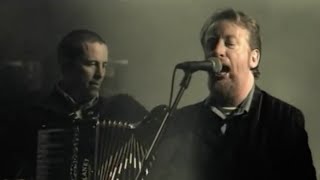
Watch the official Drunken Lullabies
music video
The Narrator’s Plea and Who “We” Are
The voice moves from “I” to “we.” Early lines observe, then the chorus admits that we find ourselves
in the trap again. That shift matters. It spreads responsibility across neighbors, leaders, and even the singer. The pointed image of a Shepard led his lambs astray
suggests moral misguidance—how authority, including religious authority, can steer people toward division.
Interpretation: The song isn’t anti-faith; it’s anti-hypocrisy. It calls out anyone who invokes ideals while failing the vulnerable.
What Happens, In Plain Steps
- Witnessing violence and shock returning, as if history just restarted.
- Seeing ordinary people pay the price while leaders evade blame.
- Remembering past promises that turned into
crumbs from long ago
—too little, too late. - A chorus that names the loop: the
same old mess
sung as a lullaby. - A final hope: lessons learned can light new resolve.
Each beat circles the question: will grief move people to act, or will they sing themselves back to sleep?
Chorus Translation: Why “Drunken Lullabies” Stings
The chorus is simple and devastating. By pairing the phrase same old mess
with a “lullaby,” the band frames routine as sedative. They imply that culture—pub songs, headlines, patriotic stories—can rock a society into repeating itself. Interpretation: It’s a dare to break the loop.
Symbols That Do the Heavy Lifting
- Cross and martyrdom: a challenge to those who preach sacrifice yet tolerate harm.
- Shepherd and lambs: misled innocence; the danger of blind trust.
- Bars of steel: systems that trap people in inherited fights.
- The
banshee that stole the grave
: grief and myth entwined, turning sorrow into a haunting presence. - Memory fading to
no color left but black and white
, then gray: how moral clarity blurs when time passes without change.
Together these images connect personal pain with a wider social machine.
How the Sound Speeds the Message Home
Musically, “Drunken Lullabies” is Celtic punk at breakneck tempo. Fiddle, tin whistle, and accordion cut through electric guitar and snare-driven drums, a signature blend for Flogging Molly. The arrangement keeps the downbeat charging forward, matching the urgency of the lyric. Production by Flogging Molly and Ted Hutt emphasizes live energy—shouted refrains, tight stops, and a final push that refuses to fade quietly. Critics have highlighted the song’s speed and social bite, and that mix is the point: it’s a protest you can shout along to.
Context: Roots, Release, and Reach
Released in 2002 as the album’s title track, “Drunken Lullabies” helped define the band’s sound for U.S. audiences. It appears alongside other anthems of loss and resistance on the record. The song’s presence in Tony Hawk’s Pro Skater 4 and on Rock Against Bush Vol. 2 carried it beyond punk circles to gamers and politically minded compilations.
Dave King’s Irish roots and the group’s Irish-American identity inform the imagery—saints and banshees, pubs and prayers—and suggest a backdrop of sectarian history. Still, the song’s critique isn’t bound to one place. It speaks to any community tempted to excuse old feuds and call it tradition.
Alternate Readings, Same Bruise
Interpretation: One reading centers on Northern Irish and Irish histories of conflict; another treats the song as a universal warning about nationalism, bigotry, and institutional failure. Some listeners hear a personal angle too: “drunken lullabies” as any habit—drinking, denial, doomscrolling—that softens outrage and delays action. Each reading points to agency. If the lullaby is the problem, waking up is the task.
Takeaway for Today’s Listener
The meaning of Drunken Lullabies Flogging Molly lands as both elegy and pep talk. It mourns the losses, names the pattern, and insists that the next verse is unwritten. The song’s final spark suggests that if lessons rise from the shadows, the heart can catch fire again.
Disclaimer: This article offers informed interpretation based on public sources and the song’s text. Actual author intent may vary.









