Why 'Arlandria' Feels Like a Fight With Memory
The meaning of Arlandria Foo Fighters comes through as a mix of personal history, emotional overload, and a relationship that has reached its breaking point. On the surface, the song sounds like a fast, sharp rock single. Underneath, it feels like someone trying to argue with the past and losing.
"Arlandria" - Foo Fighters
A simple round of conversation
Became a shameful equation
Loading lyrics...
Unable to load lyrics
We're unable to display the lyrics at this time. Please try again later.
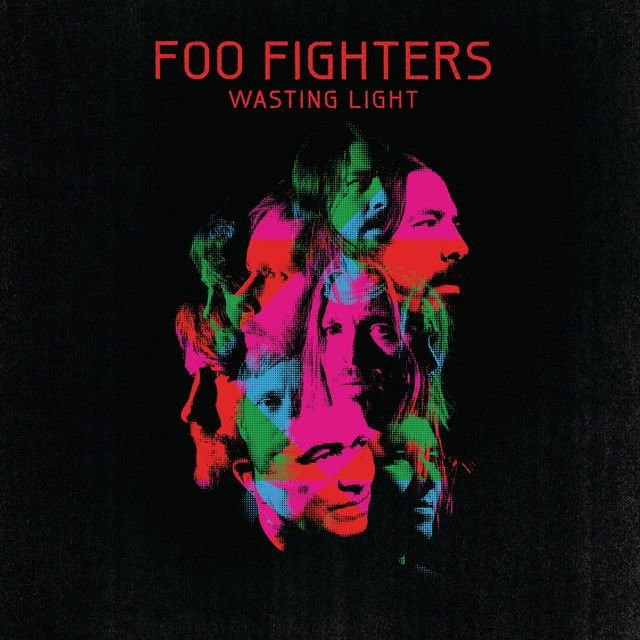
Released from Wasting Light in 2011, “Arlandria” takes its title from the Alexandria, Virginia neighborhood tied to Dave Grohl’s youth, a fact noted by Wikipedia and Songfacts. That place-name matters. Even when the lyrics sound like they are aimed at a person, the title suggests memory, hometown identity, and old emotional patterns are all part of the target.
A Love Song, Breakup Song, and Hometown Song at Once
The most useful way to hear “Arlandria” is as a song about conflict that keeps changing shape. One moment, the speaker seems locked in a tense talk with someone close. Another moment, they seem to be talking to a place, or to an earlier version of themself.
That is why the chorus hits so hard. When they say You are not me
, the line sounds like a boundary. They are trying to separate their own identity from a person, a past, or a hometown that still has emotional control over them.
Interpretation: “Arlandria” may not be only one person. It can also stand for a whole cluster of memories—romance, youth, family stress, and the feeling of getting pulled backward.

Watch the official Arlandria
music video
Where the Tension Starts
The opening lines describe an ordinary talk turning toxic. A simple exchange becomes, in effect, a problem nobody can solve. That shift gives the song its emotional engine: small moments become big wounds.
The repeated commands like hush, hush
and don't make a sound
suggest pressure, repression, and maybe even self-control. Someone wants the conflict contained, but the song itself proves that the feeling cannot stay contained for long.
There is also a strong pattern of accusation and exhaustion. The speaker has tried to help, tried to give more, and finally reaches a point where letting go feels like the only option. When the song turns that complaint into givin' you up
, it reframes surrender as survival.
What the Chorus Really Means
The chorus works because it combines pain with defiance. The speaker sounds overwhelmed, but not passive. They are still pushing back.
A key line is you and what army
. In plain terms, that sounds like a challenge. It is a refusal to be dominated, even while the rest of the chorus admits how hard it is to break free.
Then comes the plea, Oh God, you gotta make it stop
. That short cry changes the emotional picture. This is not cool detachment. It is someone in the middle of emotional noise, desperate for relief.
My sweet Virginia
I'm the same as I was
That brief moment is one of the song’s biggest clues. It softens the anger and points back to place, memory, and identity. The hometown is not just scenery. It is tied to who they were and maybe who they still are.
Why Virginia Matters So Much
The title is a factual anchor. Grohl has long had ties to Northern Virginia, and “Arlandria” names a real neighborhood in Alexandria. He had also referenced it earlier in the Foo Fighters song “Headwires.” That makes the location feel deliberate, not random.
Interpretation: By naming the song after a real place, Foo Fighters blur the line between personal argument and emotional geography. The speaker is not just leaving a person behind. They are wrestling with a formative chapter of life.
This helps explain why the lyrics jump between confrontation and nostalgia. The song is full of push and pull: shame versus affection, memory versus escape, loyalty versus self-protection.
The Nursery-Rhyme Twist
One of the song’s smartest moves is its use of childlike cadence. The repeated shame, shame, go away
echoes playground or nursery-rhyme language. According to reporting summarized by Wikipedia, Grohl said there is something powerful about the singsong rhythm of children’s music inside rock.
That choice deepens the meaning. Childlike phrasing makes the emotions feel older, almost primal. These are not just adult disagreements. They seem connected to early habits of blame, fear, and longing.
It also gives the song a strange contrast: playful sound, painful content. That tension makes the hook stick.
How the Sound Carries the Story
“Arlandria” appeared on Wasting Light, the 2011 album recorded in Grohl’s garage with producer Butch Vig. That album is famous for its raw, live-band energy, and this track benefits from it.
The guitars rush forward, the drums keep everything on edge, and the vocal delivery sounds urgent rather than polished. Instead of floating above the conflict, the music throws the listener into it. The band members credited as writers—Dave Grohl, Taylor Hawkins, Nate Mendel, Chris Shiflett, and Pat Smear—help shape that full-band pressure.
The result is important to the meaning of Arlandria Foo Fighters. The song is about emotional overload, and it sounds overloaded in exactly the right way. Even its melodic moments feel like they are straining against collapse.
A Few Strongest Themes in the Lyrics
Several ideas keep returning:
- identity versus attachment
- memory as something haunting
- shame and blame in close relationships
- hometown feelings that never fully fade
- release that feels both freeing and sad
That is why the song still connects. It turns very specific details—Virginia, old phrases, one breaking relationship—into a broader feeling many listeners know: trying to move on while part of them is still stuck in the same room, same street, same version of the past.
Final Take on "Arlandria"
At its core, “Arlandria” is about trying to separate from what once shaped them, whether that is a lover, a memory, or a hometown identity. Its power comes from how those meanings overlap instead of staying neatly separated.
That is also why the song feels so alive. It is not a tidy message song. It is a burst of frustration, longing, and self-defense set to one of Foo Fighters’ most urgent arrangements.
Disclaimer: This interpretation is based on the lyrics, recording context, and public information about the song’s title and release. As with most songs, some meanings remain open to listener interpretation.








