Why 'Breakout' Feels So Ready to Explode
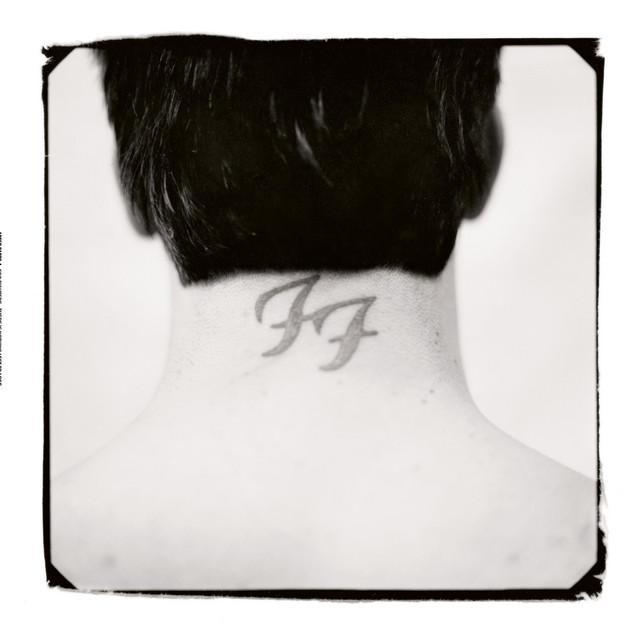
The meaning of Breakout Foo Fighters sits in a fun tension: the song sounds frantic, angry, and desperate, but its original idea was more playful than tragic. Released on There Is Nothing Left to Lose in 1999 and later issued as a single in 2000, “Breakout” became one of the band’s most sharp-edged bursts of energy from that era. It was written by Dave Grohl, Nate Mendel, and Taylor Hawkins, and produced by Foo Fighters with Adam Kasper.
"Breakout" - Foo Fighters
One of these days, I'll chase you down
Well, look who's going crazy now
Loading lyrics...
Unable to load lyrics
We're unable to display the lyrics at this time. Please try again later.
The Core Idea Behind the Chaos
On the surface, “Breakout” feels like a song about someone pushed to the edge by another person. The singer sounds dizzy, irritated, and ready to snap. The repeated hook about break out
suggests pressure that can no longer stay hidden.
But there is an important piece of context. Dave Grohl told Songfacts that the song started almost as a joke
, a play on melodramatic breakup writing and a send-up of the “tortured romance” style. That matters because it changes how listeners hear the drama: the song is not just pain, but exaggerated pain, performed with a grin.
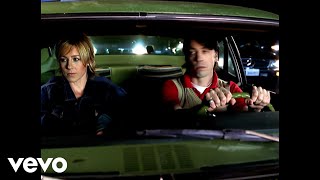
Watch the official Breakout
music video
When Stress Shows Up on the Outside
One of the smartest things in the lyric is how it turns emotion into appearance. The chorus repeats I don't wanna look like that
, which suggests shame, stress, or emotional damage becoming visible. Instead of saying only “I feel bad,” the song makes the feeling show up on the face and body.
That idea connects to the verse line you can see this on my face
. In plain terms, they present a narrator whose inner mess is no longer private. Whether the “breakout” is acne, panic, rage, or social humiliation, the point is the same: another person has disturbed their sense of self so badly that it shows.
A Note on Interpretation
Interpretation: Many listeners take this as a metaphor for emotional overload. Even if Grohl framed the song humorously, the image still lands because people know what it feels like when stress becomes visible.
Who They Seem to Be Fighting
The song uses direct address, aiming frustration at a “you.” That makes the conflict feel personal and immediate. Phrases like running circles in my head
suggest obsession, while the threat to chase you down
pushes the song into cartoonishly intense territory.
This is where Grohl’s comment helps again. Without it, the lyrics could sound dark or unstable. With it, the song reads more like a wild parody of romantic frustration, where the narrator is so wound up that every feeling comes out oversized.
Still, the exaggeration does not cancel the emotion. It just frames it differently. They sound like someone who knows they are unraveling and cannot stop the momentum.
Why the Chorus Hits So Hard
The chorus is simple, but that is why it works. The repeated idea of breaking out becomes both the problem and the solution. It can mean erupting with anger, showing damage on the surface, or trying to escape the situation entirely.
That double meaning is the song’s hook. “Breakout” sounds physical and active. It is not calm reflection. It is the moment right before self-control gives way.
Break out
Go, go, go
That tiny burst acts like a pressure valve. Even without many words, it turns the song into motion.
How the Sound Carries the Meaning
Musically, “Breakout” is a compact blast of alternative rock with pop-punk speed and post-grunge weight. Reference sources list it as alternative rock, post-grunge, and pop punk, which fits its mix of crunch, bounce, and radio-ready punch. The recording features Grohl on vocals and guitar, Mendel on bass, and Hawkins on drums.
The arrangement mirrors the lyric’s nervous energy. The drums push hard, the guitars slash through the mix, and Grohl sings with a tight, strained attack that feels close to shouting. According to Songfacts, the band even had to tell Grohl to tone it down while recording because neighbors were annoyed by the noise. That story fits the song perfectly: it sounds like it was made by people trying not to explode, then exploding anyway.
The Bigger Context Around the Song
“Breakout” was the second track and fourth single from There Is Nothing Left to Lose. It was also connected to the Me, Myself & Irene soundtrack, which shaped how audiences saw it. The music video, directed by The Malloys, tied directly into the film’s comic split-personality angle and featured actors from the movie.
That matters because the video reinforces the song’s blend of agitation and humor. It tells listeners not to treat every line as heavy confession. Some of the song’s identity is performance, comedy, and exaggerated emotional theater.
The single also had strong rock-chart visibility, reaching the top 10 on U.S. Alternative Airplay and the top 15 on U.S. Mainstream Rock, while also charting well in the UK. That success makes sense: “Breakout” is catchy enough for radio but aggressive enough to feel cathartic.
Alternate Readings That Still Make Sense
Even with Grohl’s explanation, other readings remain valid.
- Interpretation: escape song. Some hear it as breaking free from a toxic person or situation.
- Interpretation: anxiety song. The lyrics about visible damage and fear of therapy point toward mental strain.
- Interpretation: outsider anthem. Its frustrated energy can sound like someone tired of humiliation and ready to push back.
All three work because the song leaves room for them. Its language is broad, physical, and emotional rather than highly specific.
Why “Breakout” Still Connects
The meaning of Breakout Foo Fighters lasts because it captures a familiar feeling: being so overwhelmed that it spills out of the body, voice, and face. At the same time, it avoids self-pity by leaning into speed, noise, and a hint of absurd humor.
That balance is what makes the track memorable. They turn embarrassment into a shout-along, and panic into momentum. Interpretation: “Breakout” is less about one literal event than about the instant when pressure becomes impossible to hide.
Disclaimer: Song meaning can be subjective. This reading mixes documented artist comments with interpretation of the lyrics, sound, and cultural context.









