How “UP!” Turns Faith Into Momentum
The meaning of UP! Forrest Frank, Connor Price starts with a simple idea: they are celebrating a comeback, but they refuse to call it luck. The song frames success as the result of faith, hard work, and survival after a low point. It is upbeat on the surface, yet its core message is serious. They are saying they were discouraged, overlooked, or stuck before, and now they feel lifted.
"UP!" - Forrest Frank, Connor Price
This all God this ain't no luck, yeah
I used to be stuck in that mud, whoa
Loading lyrics...
Unable to load lyrics
We're unable to display the lyrics at this time. Please try again later.
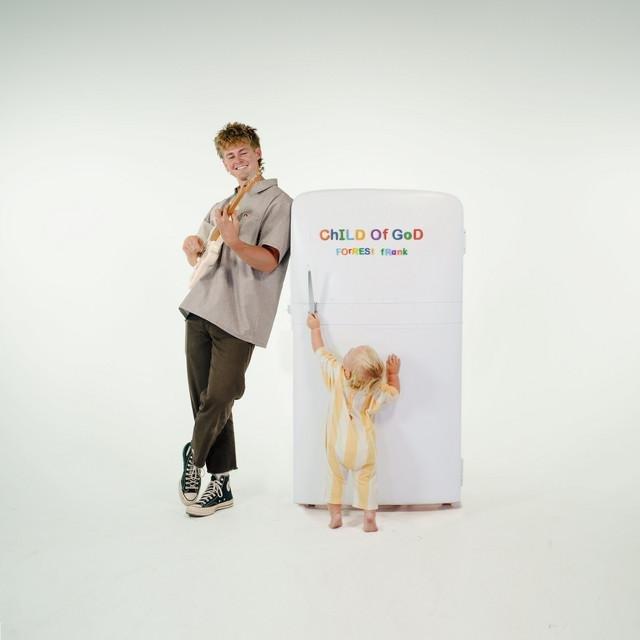
That message fits both artists. Forrest Frank has built a strong identity around Christian themes in pop and hip-hop spaces, including releases tied to his solo work such as CHILD OF GOD. Connor Price, meanwhile, has become known for fast, clever rap and a strong social media presence, reflected on his official site. Together, they make a song that sounds playful but lands as testimony.
The Hook Says the Whole Story
The chorus is direct: they were low, and now they are rising. When the song repeats down but now I'm up
, it does more than announce a mood change. It turns recovery into a public statement. They are not quietly feeling better; they are declaring a shift in identity.
The next key line, this ain't no luck
, sharpens the message. The song rejects the idea that success happened by accident. Instead, it gives credit to God and to sustained effort. In plain terms, they want listeners to hear achievement as something guided and earned, not random.
Faith Is Not Decoration Here
A lot of motivational songs mention belief in a vague way. “UP!” is more specific. Forrest Frank’s verse makes faith the center of the narrative, not a side note. The most obvious example is Up like my name Lazarus
. That biblical image points to revival, return, and life after what looked finished.
Interpretation: This is the song’s clearest symbol. Lazarus is not just a flex. He represents being brought back from a dead end. That makes the whole track feel less like bragging and more like testimony after despair.
The verse also says the enemy will be upset by this progress, and then moves into a father-and-son baseball metaphor. The speaker asks permission to swing, and the answer suggests the pitch is already set up for success.
If I pitch it,
it's out of the park
Paraphrased, the idea is that divine support gives them confidence to act. They still have to swing, but they no longer feel alone in doing it.
Hard Work Matters as Much as Belief
Even with strong spiritual language, the song does not claim success came easily. One of its smartest details is the reference to long unseen labor. The line about ten thousand hours
points to practice, patience, and work done before recognition arrived.
That matters because it keeps “UP!” from sounding naive. They are not pretending that prayer erased effort. Instead, the song links faith and discipline. God gets the credit, but the artists still describe late work, slow growth, and the grind of building something before anyone noticed.
This balance gives the song a useful emotional shape:
- There was a real low point.
- There was a season of hidden effort.
- There is now visible progress.
- That progress carries purpose, not just ego.
For listeners, that structure makes the song feel motivational without becoming empty self-help.
Connor Price Brings Bounce and Defiance
Connor Price’s verse adds humor, speed, and swagger. His images are cartoon-bright: seesaws, treetops, a beanstalk, a free fall, a cowboy shout. All of that gives the second verse motion. The song is not merely about being “up” in a metaphorical sense; it sounds like it is constantly climbing, jumping, and landing.
His writing also pushes back against doubt. When he asks who says he is not worthy, the tone becomes more confrontational. Still, it never fully turns bitter. The energy stays playful, which helps the song remain accessible.
Interpretation: Connor’s role is to translate the same comeback theme into rap confidence. Forrest Frank leans more openly spiritual; Connor leans more competitive. Together, they show two sides of the same rise: gratitude and grit.
Why the Production Feels So Lifted
The production supports the theme in obvious but effective ways. The beat is bright, punchy, and fast-moving, with a springy rhythm that mirrors the title. The chorus is built to feel like a burst upward, with repetition making the word “up” hit like a jump shot or a victory chant.
There is also a smart contrast between smooth melody and tight rap cadences. Forrest Frank’s delivery feels open and affirming, while Connor Price arrives with more snap and momentum. That switch keeps the song from flattening out.
From a meaning standpoint, the sound matters because it prevents the lyrics from feeling heavy-handed. A song about God, struggle, and purpose could have been solemn. Instead, “UP!” sounds joyful. That choice tells listeners the climb is not only meaningful; it is exciting.
A Song About Witness, Not Just Winning
The best way to understand the meaning of UP! Forrest Frank, Connor Price is to see it as more than a victory lap. Yes, they celebrate progress. Yes, they answer critics. But the deeper point is that being lifted comes with perspective. They remember the mud, and that memory keeps the song grounded.
That is why the track works. It mixes testimony, ambition, and fun in a way that feels natural. They do not hide their confidence, but they also keep tracing that confidence back to faith, work, and purpose.
For many listeners, “UP!” will feel like a workout song or a mood boost. For others, it may sound like a personal witness set to a bouncy beat. Both readings fit.
Final Take
“UP!” is about rising after struggle and refusing to explain that rise as chance. It turns comeback language into a statement of belief, effort, and identity.
This article offers an interpretation based on the lyrics, artist context, and the song’s sound. Different listeners may hear its meaning in different ways.








