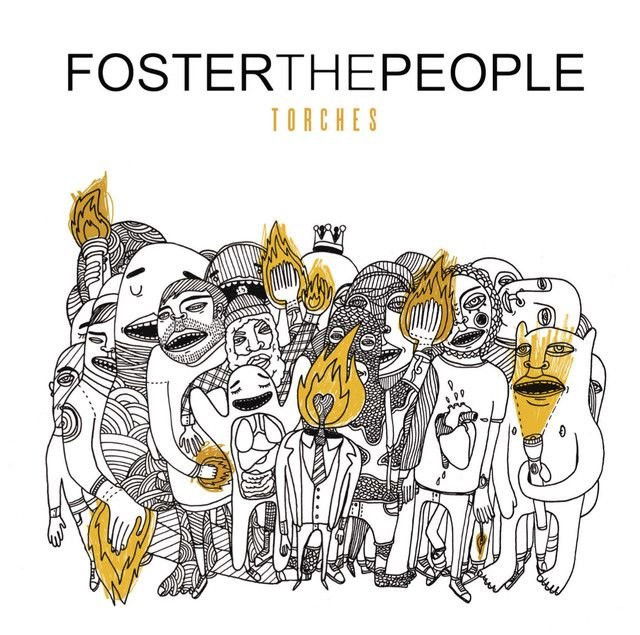
Houdini by Foster the People
Foster the People made a danceable song about escape, pressure, and the strange cost of being seen.
"Houdini" - Foster the People
Provided by LyricFindRise above gonna start a war
Whatcha want whatcha need whatcha come here for
Well an eye for an eye and an F for fightLoading...Loading lyrics...
Unable to load lyrics
We're unable to display the lyrics at this time. Please try again later.
Why This Song Still Pulls People In
The meaning of Houdini Foster the People starts with a simple image: a person who wants out. Not just out of a room, but out of conflict, expectation, and the version of themselves other people keep demanding. The song borrows the name of Harry Houdini, the famous escape artist, and turns that idea into a modern pop anxiety.
Factually, "Houdini" appears on Torches and was written by Mark Foster, with production by Foster and Rich Costey. It was released as a single in 2012 after first appearing in the Torches era, and it became one of the band's best-known follow-ups to "Pumped Up Kicks." It was later certified Platinum in the United States and nominated for a Grammy for Best Short Form Music Video. Sources include Wikipedia, Songfacts, and certification data from the RIAA.
At Coachella in 2011, Foster reportedly introduced it as being about his favorite magician
. That comment matters, but the song is not a history lesson. It uses Houdini as a symbol for a person who survives by slipping away.

Watch the official Houdini
music video
The Core Meaning Hiding Inside the Hook
At its heart, the song sounds like a battle between visibility and escape. The narrator feels cornered by demands, threats, and emotional pressure. Early lines frame that tension with phrases like start a war
and come here for
, which suggest confrontation before the story even settles down.
Then the song shifts inward. The striking image shackles on my wings
says a lot in very few words. Wings usually mean freedom or imagination. Shackles mean restraint. Put together, the line suggests a person who has the ability to rise but feels held down by fear, compromise, or public pressure.
Interpretation: This is why the title works so well. Houdini escaped chains and locked spaces. In this song, the chains are emotional and social. The escape is not magic; it is survival.
What the Lyrics Suggest About Pressure and Identity
Several lines make the narrator sound defensive, restless, and almost split in two. They speak as if someone else wants a performance, a reaction, or a surrender. The song keeps returning to compromise, but not in a healthy way. Here, compromise feels like losing part of the self.
That is where the line Sometimes I want to disappear
becomes the emotional center. It does not read like simple fantasy. It sounds like a stress response. When life becomes too loud, disappearing can feel easier than explaining, fighting, or pretending.
There is also a gift-and-exchange idea in the verses, where the narrator suggests that other people get what they want without understanding the cost. In plain terms, the song hints that the public, a lover, or society may receive a polished version of someone while the private self pays the price.
A Short Look at the Song's Emotional Arc
The lyrics move through a few clear stages:
- Conflict arrives fast and feels external.
- Restraint shows up through chains, bargaining, and fear.
- The narrator considers escape rather than surrender.
- The repeated focus on ability points toward self-belief.
That last turn matters. The song does not stay trapped forever.
The Refrain Turns Escape Into Self-Belief
Late in the track, the repeated language around your ability
changes the mood. Instead of only reacting to pressure, the song starts pushing back. The message becomes less "they are trapping me" and more "remember what I can do."
Focus on your ability
Gain again what they want to steal
This is the article's only multi-line lyric quote, and even here the point is clearer in paraphrase: the song ends by turning escape into recovery. The goal is not vanishing for no reason. It is protecting whatever others are trying to take—confidence, identity, voice, or freedom.
Interpretation: That is the smartest part of the writing. Escape is not framed as weakness. It can be a way to stay whole.
How the Sound Carries the Message
Part of what makes "Houdini" so memorable is the contrast between sound and subject. The track lives in indie pop, synth-pop, and alternative dance. It moves with bright rhythm, clipped vocals, and a tight groove, even while the words suggest panic and restraint.
That contrast mirrors the theme. The production feels sleek and mobile, as if the song itself is always slipping forward. Mark Foster's vocal delivery sounds light on the surface, but there is tension under it. The drums and synth programming keep things urgent rather than dreamy.
The arrangement also supports the idea of performance. It is catchy enough for radio, but emotionally unsettled underneath. That makes sense given the song's backstory: Mark Foster began it while working as a commercial jingle writer, first building it quickly from a drum beat and vocal sample before developing it further later. That origin helps explain why the hook is so immediate while the emotion feels more complicated.
The Music Video Adds a Darker Reading
The Daniels-directed video pushes the song toward satire and horror. In it, the band is killed in an on-set accident, then manipulated into seeming alive for a successful performance. It was nominated for a Grammy, and that is easy to understand once someone sees how sharply it extends the song's ideas.
The video suggests that entertainers can become puppets, products, or images long before anyone notices the human cost. That fits the song's fear of being trapped inside a role. If the lyrics hint at wanting to disappear, the video asks a cruel question: what if the show continues anyway?
Final Take on the Song's Message
The meaning of Houdini Foster the People is best understood as a song about escape under pressure. It uses Harry Houdini as a metaphor for slipping out of conflict, expectation, and emotional captivity, while still holding onto one's inner ability.
What makes it last is the balance. It is anxious but catchy, dark but energizing, personal but easy to project onto many situations. Interpretation: listeners can hear it as a song about fame, relationships, mental strain, or simple self-protection. That flexibility is part of its power.
Disclaimer: This interpretation blends verified background facts with lyrical analysis. As with most songs, different listeners may hear different meanings.








