Waste by Foster the People
A Quiet Love Song Hiding in Plain Sight
The meaning of Waste Foster the People comes down to care without conditions. On a record known for sharp hooks and darker subtext, this song stands out because it is direct, tender, and unusually patient. It is less about romance in a flashy sense and more about staying beside someone while they struggle.
"Waste" - Foster the People
Yeah when the monsters they won't go
The windows, they wont close
Loading lyrics...
Unable to load lyrics
We're unable to display the lyrics at this time. Please try again later.
Mark Foster backed that up in a Paste interview, calling the song one about unconditional love and saying it could apply to a partner, friend, or parent. That context matters. It tells listeners that the song is not built around rescue fantasy. It is built around empathy.
Watch the official Waste
music video
What the Song Is Really Saying
At a basic level, the narrator speaks to someone weighed down by fear, pain, or a past they cannot stop replaying. The opening promise to hold your hand
frames the whole track. This is a relationship where support is physical, emotional, and ongoing.
The song then moves into language of haunting and inner struggle. References to monsters, windows that will not close, and a devil on someone’s back suggest anxiety, depression, guilt, or trauma. Those images are not literal. They give shape to feelings that are hard to explain.
Interpretation: many listeners hear the song as speaking to a loved one with mental health struggles. That reading fits the imagery and the repeated reassurance that bad days do not cancel love.
The Chorus Turns Patience into the Main Message
The chorus is the heart of the song because it removes pressure. Instead of demanding that the other person get better right away, the singer says that if they want to waste
a day, they can. If they want to wake up
, they can. If they want to change
, they can.
That sequence matters. It starts with survival, then moves to awareness, then growth. In other words, the song recognizes recovery as a process.
And every day that you want to waste, you can
And every day that you want to wake, you can
This is not permission to give up. It is permission to be human. The phrase lowers the emotional stakes and says love does not disappear on unproductive days.
The Key Images and How They Connect
The lyrics use a few simple symbols to build that idea.
Monsters, Devils, and Closed Windows
These images suggest a mind under attack. When the song mentions the devil's on your back
, it turns inner pain into something that feels attached and hard to shake. The closed windows add a trapped feeling, as if even fresh air or escape is blocked.
Freedom That Feels Like a Cage
One of the smartest lines says freedom can still feel confining. That sounds strange at first, but it captures a real emotional truth. A person may technically be free to leave pain behind, yet still feel unable to move.
The next image explains why: legs unused to walking. Change sounds simple from the outside, but after long fear or sadness, even healthy movement can feel unnatural.
Waiting Without Controlling
Later, the singer imagines instant escape but admits that, for now, they will stay and listen when the other person speaks or even screams. This is one of the song’s most mature ideas. Real support is not always advice. Sometimes it is witness, patience, and presence.
How Foster the People’s Sound Deepens the Meaning
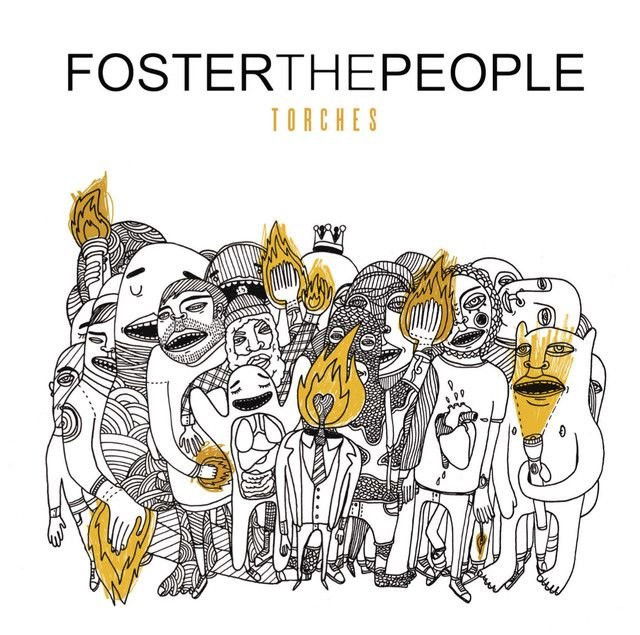
Foster the People built their early reputation on bright indie-pop and synth-pop textures, especially on Torches. That album was released in 2011 and earned Grammy nominations, while the band became known for pairing catchy music with heavier themes.
“Waste” fits that pattern, but in a softer way than “Pumped Up Kicks.” The production is warm and spacious. The beat moves gently, the keyboards glow instead of stab, and Mark Foster’s vocal stays calm. Nothing in the arrangement tries to overpower the listener.
That matters because the song is about emotional shelter. The music feels like the same kind of support the lyrics offer. Rather than sounding dramatic or tragic, it sounds steady. The result is comforting, almost like a hand on the shoulder.
Research on Foster’s background also helps explain that balance. He told Paste that many songs on Torches could be stripped to piano or guitar, and his classical roots shaped that writing style. “Waste” shows that underneath the polished production, the song works because the melody and message are strong on their own.
A Few Strong Interpretations
There are a few ways to hear the song, and more than one can be true.
- A love song: the clearest reading is a promise between partners.
- A friendship anthem: the compassion also fits a close friend helping another through a hard period.
- A family reading: Foster himself said it could fit a parent-child bond.
- A mental health reading: the recurring struggle imagery makes this one especially persuasive.
What links all these readings is the same core message: love is proven through staying.
Why “Waste” Still Connects
The meaning of Waste Foster the People lasts because it says something many people need to hear: healing does not have to be neat to deserve love. The song offers support without lectures, hope without force, and closeness without conditions.
That is why it remains one of the warmest songs in Foster the People’s catalog. It understands that some days people do not need a speech. They need someone who will remain there anyway.
Disclaimer: This interpretation is based on the lyrics, the recording, and publicly available artist comments. Like all songs, “Waste” can hold different meanings for different listeners.







