Why “Reach Out, I’ll Be There” Still Comforts
The meaning of Reach Out, I'll Be There Four Tops starts with a simple promise: when life feels broken, someone will show up. That is why the song still lands so hard. It turns fear, loneliness, and self-doubt into a message of steady support.
"Reach Out, I'll Be There" - Four Tops
Because all of your hope is gone
And your life is filled with much confusion
Loading lyrics...
Unable to load lyrics
We're unable to display the lyrics at this time. Please try again later.
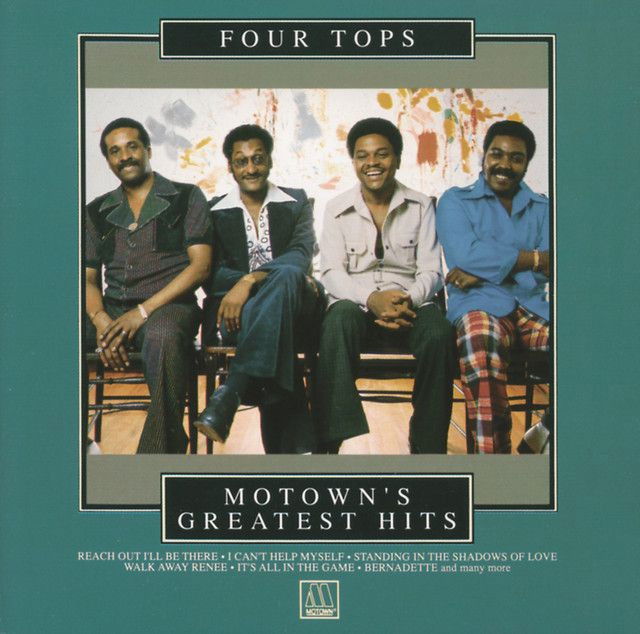
Released in 1966, the Four Tops hit became one of Motown’s defining singles, written by the famed Holland-Dozier-Holland team and produced in the label’s classic hit-making era. It reached No. 1 in the United States, showing how strongly listeners connected with its emotional directness and dramatic sound.
A Lifeline Hidden Inside a Pop Hit
At its core, the song speaks to a person in crisis. The verses describe emotional collapse: hope is gone, the world feels cold, and confidence has disappeared. Then the chorus answers that pain with reassurance.
The key idea is not romance alone. Yes, the song can sound like a love song, but it is broader than that. It is about rescue, reliability, and human presence. When the singer says reach out for me
, they are offering themselves as a safe place.
That makes the track powerful because it does not deny pain. It names it first. The listener hears confusion, fear, and isolation before hearing relief. In that structure, the song mirrors real life: comfort matters most after struggle has been acknowledged.

Watch the official Reach Out, I'll Be There
music video
Who They Are Singing To
The narrator speaks directly to someone who seems emotionally exhausted. The song notices body language, sadness, and a kind of private panic. A brief phrase like hang your head
shows that the speaker can read distress before the other person even explains it.
This matters because the song is not passive. The narrator is not waiting at a distance. They are actively watching, understanding, and responding. The line I'll be there
works like a vow rather than a casual statement.
Interpretation: Many listeners hear this as a partner speaking to a lover. Others hear it as a friend, family member, or even a spiritual promise. The lyrics support all three readings because they stay universal and avoid too many specific details.
How the Song Moves From Despair to Hope
The emotional timeline is clear and effective:
- First, the song describes a person overwhelmed by confusion and loss.
- Next, it shows them drifting and feeling alone.
- Then, the chorus interrupts that downward spiral with an offer of protection.
- By the final section, the promise feels firm and dependable rather than hopeful alone.
That pattern is why the chorus feels bigger each time it returns. It does not just repeat; it answers the problem laid out in the verses. Even the phrase see you through
suggests endurance. The promise is not for one moment. It is for the whole storm.
The Chorus as Emotional Shelter
The chorus is memorable because it mixes urgency and calm. The command to ask for help is immediate, but the answer is soothing. That balance gives the song its emotional pull.
Just look over your shoulder
I'll be there
In those lines, the song turns comfort into something almost physical. Help is not far away. It is close enough to be found with one simple motion.
Interpretation: This may be why the song has lasted beyond its chart moment. It offers a fantasy many people need: that support is near, visible, and dependable even when they feel abandoned.
Why the Sound Feels So Urgent
Part of the meaning of Reach Out, I'll Be There Four Tops comes from its production. Musically, it is not a soft ballad. It sounds urgent, tense, and cinematic. That contrast matters.
Motown’s production team built the track with strong rhythm, sharp accents, and dramatic arrangement choices. Levi Stubbs sings with a near-shouting intensity that feels raw and commanding, while the backing voices answer him with warmth. That push-and-pull makes the song feel like someone fighting through chaos to deliver comfort.
The instrumentation also adds drama. The rhythm drives forward instead of settling back, which keeps the listener inside the speaker’s urgency. The song does not sound relaxed because the person being addressed is not safe yet. Safety is being promised, not assumed.
Motown Context Makes the Message Stronger
The Four Tops were one of Motown’s most powerful groups, and Levi Stubbs had a voice built for emotional extremes. Holland-Dozier-Holland often wrote songs that blended pop hooks with real emotional pressure, and this track is one of their clearest examples.
In the mid-1960s, Motown was known for polished, accessible records that could cross over to broad American audiences. This song fits that mission, but it also goes darker than many upbeat pop singles of its time. It begins in emotional ruin and still becomes a hit. That says something about how universal its message was.
Critics and fans have long treated it as one of the label’s masterpieces, partly because it combines craft and feeling so cleanly. It is catchy, but never lightweight.
The Big Themes Behind the Lyrics
Several themes hold the song together:
- Support during crisis: The central promise is presence in hard times.
- Emotional visibility: The speaker notices pain others might miss.
- Dependability: Help is framed as constant, not temporary.
- Hope after collapse: The song admits despair without ending there.
There is also a subtle theme of action. The hurting person is not told to fix everything alone. They are told to ask, trust, and accept care. That message still feels modern.
Why People Still Hear Themselves in It
The song remains moving because nearly everyone has known a season when happiness felt far away. Its language is broad enough to fit heartbreak, depression, grief, or simple exhaustion. And because it offers response instead of judgment, listeners can step into it easily.
That is the lasting meaning here: not just love, but available love. Not just emotion, but commitment.
Final Take on Its Lasting Meaning
The meaning of Reach Out, I'll Be There Four Tops is the promise that nobody has to suffer alone. Through vivid verses, a reassuring chorus, and urgent Motown production, the song turns empathy into action.
That is why it still sounds alive. It does not merely say someone cares. It says they will come when called.
Disclaimer: This interpretation is based on the lyrics, recording context, and public reception. As with any song, listeners may hear meanings that differ from this reading.







