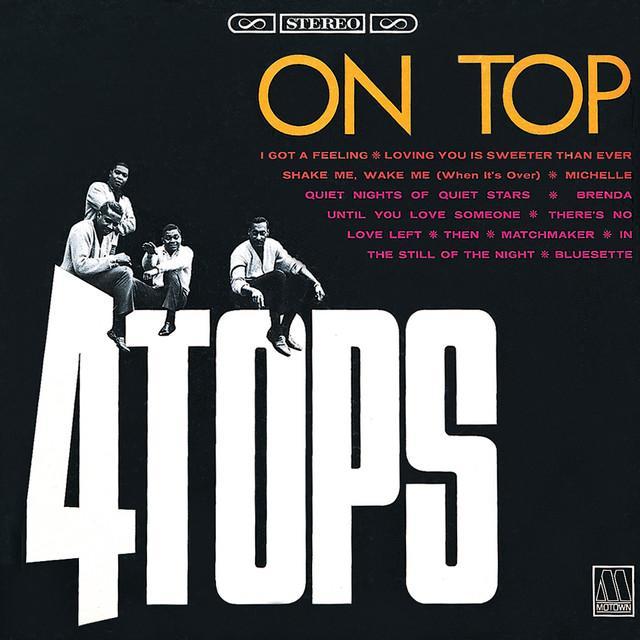
Why Four Tops Turned Heartbreak Into Urgency
The core meaning behind the panic
The meaning of Shake Me, Wake Me (When It's Over) Four Tops centers on shock. The song is about a man who can feel a breakup happening before he can fully admit it to himself. He hears other people say the relationship is done, but he keeps hoping the pain is not real.
"Shake Me, Wake Me (When It's Over)" - Four Tops
I hear my neighbors talking (She don't love him)
Saying that out of my life
Loading lyrics...
Unable to load lyrics
We're unable to display the lyrics at this time. Please try again later.
That is why the title matters so much. When they sing shake me, wake me
, they are not asking for comfort in a calm way. They are begging to be pulled out of a nightmare. The chorus turns heartbreak into a crisis of disbelief.
Interpretation: The song is not only about losing love. It is about the moment when denial starts to crack. The narrator knows the truth is coming, yet they still want someone else to confirm it for them.
Watch the official Shake Me, Wake Me (When It's Over)
music video
A sleepless room full of bad news
The verses place the listener in a very small, tense world. It is a long and sleepless night
, and the narrator is stuck listening through walls so thin
. Those details make the song feel claustrophobic. They are alone, but not private.
Instead of hearing directly from their partner, they hear gossip and judgment from neighbors. That makes the pain worse. It is not just a breakup; it is a public humiliation. The community seems to know the truth before the person living through it does.
She don't love himheart's in danger
This brief moment sums up the emotional pressure around them. Other people reduce a life-changing loss to a few blunt lines, while the narrator is still trying to catch up.
Who is speaking, and why it hurts
The song uses a first-person voice, but the emotional effect is bigger than one person. Levi Stubbs sings as someone being left behind, and his delivery makes that voice sound wounded, proud, and desperate all at once. The story becomes universal because many listeners know the feeling of learning a relationship is over before they are ready to say it out loud.
The song also avoids complex backstory. There is no long explanation of what went wrong. Instead, it focuses on reaction: pacing, overhearing, crying, refusing to believe. That choice keeps the emotion immediate.
Interpretation: The lack of detail is part of the point. The narrator is too overwhelmed to analyze the relationship. They can only survive the moment.
How the chorus changes the whole song
The chorus gives the record its emotional engine. A lot of breakup songs ask for another chance or explain regret. This one asks to escape consciousness. When the narrator says tell me that I'm dreamin'
, they are trying to turn reality into illusion.
That is a powerful twist. They are not bargaining with the partner first. They are bargaining with the truth itself. The phrase suggests a mind under stress, trying to delay acceptance by treating heartbreak like a bad dream.
This is why the song feels so dramatic even though it runs only about 2:41. According to the song's documented release details, Four Tops recorded it for On Top and issued it as a Motown single in February 1966. It was written by Holland-Dozier-Holland and produced by Brian Holland and Lamont Dozier, the team behind many of Motown's sharpest emotional hits (Wikipedia.
The Motown sound makes the fear move
One reason the song still lands is that the music does not sink into sadness. It drives forward. Sources describe the track as a hard-driving soul-pop record with a gospel-rock tempo, recorded at Hitsville U.S.A. with background vocals by the Andantes (Wikipedia.
That sound matters to the meaning. The beat keeps pushing while the narrator falls apart. Tambourine-like snap, urgent rhythm, and Stubbs's forceful voice all create tension between motion and emotional collapse. They are devastated, but the track will not let them sit still.
This is classic Four Tops. Stubbs often sounded like he was wrestling the song into the room. Here, that intensity mirrors the lyric perfectly. They are not softly grieving. They are in a state of alarm.
A breakup song with social pressure built in
Another key to the song is the role of the neighbors. In many love songs, heartbreak stays between two people. Here, the outside world crowds in. The narrator hears criticism and pity from nearby voices, which adds shame to the loss.
That detail gives the song a deeper layer. The breakup threatens identity, not just romance. If everyone else can see the truth, then the narrator feels foolish for missing it. The line about being a fool
captures that self-blame without needing long explanation.
Interpretation: The song may be saying that heartbreak becomes harsher when pride is wounded. Being left is painful. Being the last one to know is devastating.
Reception shows why it connected
The record's commercial response suggests this emotional setup hit home. It reached No. 18 on the Billboard Hot 100 and No. 5 on the R&B chart, giving the group another major hit during a strong 1966 run (Wikipedia.
Critics also noticed its force. Cash Box called it a brief but vivid pop-blues heartbreaker about a man who cannot adjust to losing his girl, while AllMusic's John Bush later ranked it among the group's best-known highlights (both quoted at Wikipedia. Those reactions fit the song's lasting appeal: it is catchy enough for radio, but emotionally raw enough to feel real.
Final takeaway
The meaning of Shake Me, Wake Me (When It's Over) Four Tops is the terror of seeing love end before the heart can accept it. Its narrator is trapped between rumor and reality, hoping someone will wake them from the truth.
What makes the song special is the contrast. The words describe denial, fear, and replacement, but the music surges ahead with Motown energy. That clash turns private heartbreak into something urgent, public, and unforgettable.
Disclaimer: This interpretation separates documented facts about the recording from critical reading of the lyrics. Meaning can vary from listener to listener.







