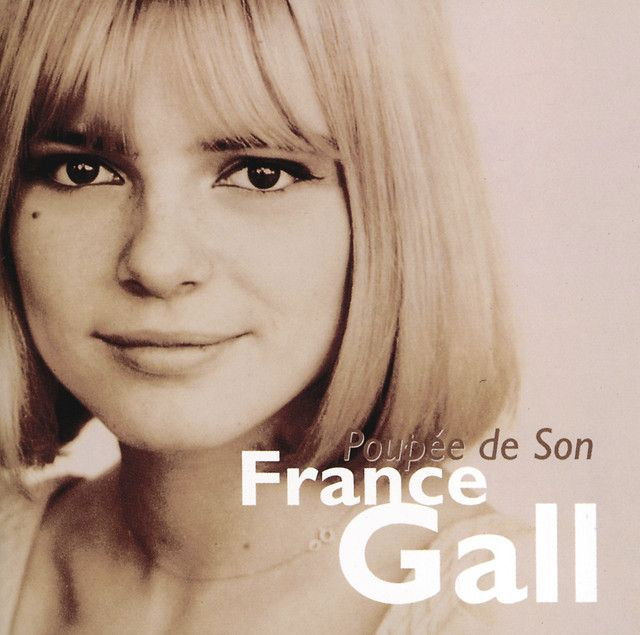
Why 'Poupée de cire' Sounds Sweet but Cuts Deep
The meaning of Poupée de cire, poupée de son France Gall starts with a clever contradiction. It is a bright, bouncy pop song, but its words are much sharper than they first seem. France Gall sings like a star on display, yet the lyric keeps asking whether that star is a real person or just a figure shaped by the music business.
"Poupée de cire, poupée de son" - France Gall
Une poupée de son
Mon cœur est gravé dans mes chansons
Loading lyrics...
Unable to load lyrics
We're unable to display the lyrics at this time. Please try again later.
Released in 1965 and written by Serge Gainsbourg, the song won the Eurovision Song Contest for Luxembourg and helped define the yé-yé era of French pop. That public success matters to the song’s meaning, because the lyric is partly about what it feels like to become a public image.
A Pop Doll With a Human Heart
On the surface, the singer compares herself to a doll. She uses the repeated image poupée de cire
and poupée de son
to present herself as decorative, made, and handled by others. In English, the title suggests a wax doll and a stuffed doll, both of them pretty objects rather than fully free people.
That image leads to the song’s central idea: the singer is visible everywhere, but not truly known. When they say their records are a mirror, the point is that the public sees a reflection, not the whole person. They are heard in many places at once, yet feel split apart by fame.
Interpretation: This makes the song feel like a self-aware portrait of teen pop celebrity. The singer is marketable and adored, but also flattened into a product.
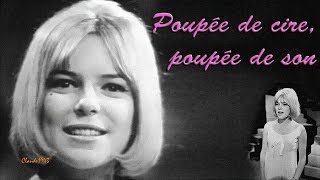
Watch the official Poupée de cire, poupée de son
music video
The Lyrics Turn Innocence Into Irony
One reason the song still fascinates listeners is that its language sounds innocent while carrying doubt. The speaker wonders if they are better or worse than a parlor doll. That is not just playful comparison. It suggests anxiety about being judged as an ornament.
The lyric also says the heart is written into songs, using the short phrase mon cœur est gravé
. The idea is emotional openness, but with a catch: those feelings are packaged into records for everyone else to consume.
Later, the song becomes more direct about inexperience. The singer admits they are singing about love while knowing very little about boys. That confession matters. It shows a gap between the polished romantic image sold in pop music and the limited life experience of the person performing it.
Mais un jour je vivrai mes chansons
Sans craindre la chaleur des garçons
These lines point toward growth. The singer hopes that one day lived experience will replace performance. Instead of just acting out pop romance, they may someday understand it.
Why Serge Gainsbourg’s Writing Matters
Serge Gainsbourg wrote the song, and his role is key to its layered meaning. He was already known for witty, provocative songwriting, often mixing catchy melodies with irony and wordplay. According to the official Serge Gainsbourg site, his writing often challenged pop conventions rather than simply following them.
That helps explain why this song works on two levels at once:
- as a catchy Eurovision entry
- as a sly commentary on manufactured stardom
- as a portrait of a young singer caught inside that system
Interpretation: Some listeners hear the lyric as Gainsbourg speaking through Gall, using her image to critique the exact industry that promoted her. That reading is common, though it remains interpretation rather than a confirmed single meaning.
The Sound Makes the Message Stronger
Musically, the song is upbeat, fast, and memorable. Its arrangement fits the 1960s yé-yé style: crisp rhythm, bright orchestration, and a youthful vocal delivery. That sweetness is not separate from the meaning. It is part of the trap the song describes.
The production gives listeners the kind of shiny pop surface the lyric questions. The singer sounds light and animated, which makes lines about feeling fragmented hit harder. In simple terms, the song sounds like the doll looks: polished, attractive, and ready for display.
This is why the meaning of Poupée de cire, poupée de son France Gall cannot be reduced to sadness alone. The song is playful, smart, and self-conscious. Its energy shows why fame is attractive even as the lyric hints at its cost.
A Song About Fame, Gender, and Growing Up
The song also speaks to gender expectations. The young female pop star is expected to be charming, beautiful, and emotionally available. The repeated doll image captures that pressure perfectly. A doll is admired, dressed, and posed. It does not choose much for itself.
At the same time, the song is not purely hopeless. The final turn reaches toward future experience and independence. The singer may begin as a symbol, but they imagine becoming a person who truly lives what they sing.
That balance is a big reason the song lasts. It captures the strange middle ground between adolescence and adulthood, sincerity and performance, person and image.
Why the Song Still Feels Modern
Even decades later, the song feels current because pop culture still turns performers into brands. Young artists are still asked to project feelings, glamour, and maturity before they have lived much of what they perform. In that sense, the doll metaphor remains powerful.
For many listeners in the United States, the song can also be a gateway into French pop because it is catchy enough to enjoy immediately, yet rich enough to reward closer reading. That is the secret of its longevity.
Final Take on Its Deeper Meaning
The meaning of Poupée de cire, poupée de son France Gall is about more than innocence. It is a song about being seen and sold, about performing feelings before fully living them, and about hoping to grow beyond the role others create.
Its brilliance lies in the contrast: a cheerful hit that quietly asks whether the smiling singer is also trapped inside the song.
Disclaimer: This interpretation blends widely accepted context with critical reading. Like many classic pop songs, it can support more than one meaning.








