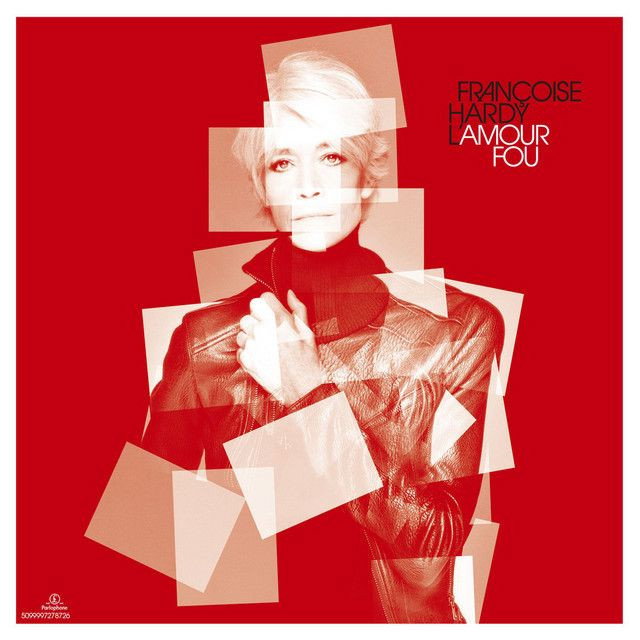
Why 'L'Amour fou' Feels Like a Secret Farewell
The meaning of L'Amour fou Françoise Hardy comes into focus fast: this is a song about forbidden devotion, social performance, and a final chance to see a lover before death closes the door. Rather than describing romance in a warm or dreamy way, it presents love as a crisis. The story moves like a private emergency carried out behind curtains, in whispers, and under strict rules.
"L'Amour fou" - Françoise Hardy
Venez vite, le temps presse
Il vous attend
Loading lyrics...
Unable to load lyrics
We're unable to display the lyrics at this time. Please try again later.
Françoise Hardy built much of their reputation on emotional precision and understatement, a style widely noted in retrospectives on their career, including coverage from Britannica and The Guardian. That restraint matters here. The song is theatrical, but it never feels messy. Its pain stays polished.
A Love Story Told as an Urgent Summons
At the surface level, the plot is simple. A messenger calls for a countess and tells her that a man is dying. He wants to see her one last time, and everyone around them is trying to make the meeting happen quietly. The details suggest rank, protocol, and scandal control as much as emotion.
The opening appeal, le temps presse
, sets the clock ticking right away. Time is short, but the song does not rush emotionally. Instead, it shows how people behave when feelings must pass through etiquette. Even the instruction to faites semblant
suggests that appearances matter. They are not just dealing with grief. They are managing a secret.

Watch the official L'Amour fou
music video
Who Speaks in the Lyrics?
The lyric voice sounds like a servant, aide, or loyal insider speaking to the countess. They know the rules of the house, the sleeping husband, the prepared carriage, and the need for silence. That third-party voice is important because it turns the lovers' relationship into something witnessed but never fully confessed.
This setup gives the song distance. Hardy and co-writer Thierry Stremler do not put the lovers in direct conversation. Instead, they let another voice narrate the emergency. Interpretation: that choice makes the love feel even more impossible, because it can only be spoken through intermediaries.
The Heart of the Song: Impossible Love
The central emotional phrase is l'amour impossible
. Soon after, the title idea arrives as l'amour fou
. Together, they define the song's tragedy. This is not just intense love. It is love that clashes with reality—possibly marriage, status, honor, or timing itself.
The song asks whether the countess could be untouched by such feeling. That question is not really a question. It is a moral challenge. If she goes, she admits the bond mattered. If she stays away, social order wins, but at a deep human cost.
Interpretation: the title's "mad love" does not mean irrational passion alone. It means love pushed beyond the limits of what the world allows. In that sense, the madness belongs not only to the lovers, but also to the rigid system around them.
Mystery as Meaning, Not Just Plot
One of the song's smartest moves is refusing to explain exactly how the man was wounded. The lyrics raise several possibilities: duel, accident, or suicide. The uncertainty matters because each option changes the emotional shade.
- A duel suggests honor and rivalry.
- A stray shot suggests cruel chance.
- Suicide suggests despair.
But the song never settles the issue. Instead, it repeats that nobody knows, or that only a few loyal people know. That secrecy turns the event into legend. The truth matters less than the final emotional fact: he is dying, and he wants to see her.
How the Music Supports the Drama
Hardy's recordings often rely on elegance over excess, and that approach fits this song perfectly. Their vocal style tends to be intimate, cool, and controlled rather than explosive, a quality often noted in assessments of their work such as AllMusic. In a song like this, that control makes every line feel more serious.
The arrangement, too, supports the sense of chamber drama. Even without needing grand orchestral force, the song creates a hushed, noble atmosphere. Listeners can hear the emotional pressure in the pacing and phrasing. The music does not imitate panic. It imitates contained panic—the kind that survives in formal rooms where scandal must be hidden.
That is why the reassurance n'ayez crainte
lands so sharply. The line tries to calm the countess, but it also exposes the danger. If there were nothing to fear, nobody would need to say it.
A Story About Beauty, Memory, and the Last Look
Late in the lyric, the messenger insists that the dying man wants to find her beautiful one final time. That idea transforms the song. This is not only about confession. It is about preserving an image at the edge of death.
In that light, beauty is not vanity. It is memory made visible. He wants to carry her face with him. The repeated praise of her appearance becomes almost ceremonial, like preparing for a final act in a private ritual.
Interpretation: this may be the song's deepest sadness. Their love can never become public, ordinary, or shared with the future. It can only become one last image.
Why the Song Still Hits So Hard
The meaning of L'Amour fou Françoise Hardy lasts because it mixes melodrama with emotional realism. Most listeners may never ride in a carriage to a dying aristocrat. But many know what it feels like to love under bad timing, strict expectations, or impossible conditions.
The song understands that powerful feeling often lives beside silence. It is about what people risk, what they hide, and what remains unsaid until almost too late.
Final Take
"L'Amour fou" turns a period-style scene into a timeless study of forbidden attachment. Through secrecy, urgency, and restraint, it shows love not as comfort, but as a force that asks for one last act of courage.
Disclaimer: This interpretation is based on the song's lyrics, performance, and available artist context. As with many poetic songs, other readings are possible.







