Why Sinatra’s “The Way You Look Tonight” Endures
The meaning of The Way You Look Tonight Frank Sinatra comes down to a simple but powerful idea: real love notices small things and turns them into lasting comfort. In this standard, the singer is not just admiring beauty. They are saying that one person’s face, voice, and spirit can warm a cold world.
"The Way You Look Tonight" - Frank Sinatra
When the world is cold
I will feel a glow just thinking of you
Loading lyrics...
Unable to load lyrics
We're unable to display the lyrics at this time. Please try again later.
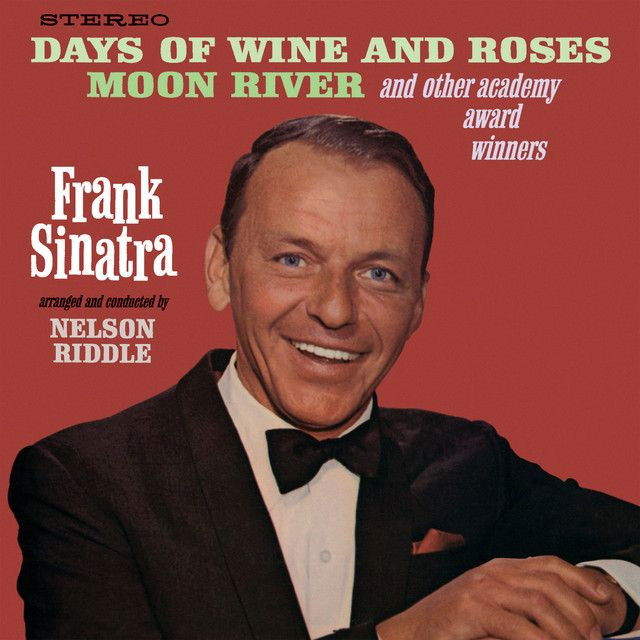
Frank Sinatra did not write the song, but his 1964 version helped define it for modern listeners. The tune was written by Dorothy Fields and Jerome Kern for the 1936 film Swing Time, where Fred Astaire first performed it, and it won the Academy Award for Best Original Song, according to the song’s documented history. Sinatra’s recording with Nelson Riddle later became one of its most famous interpretations.
A Love Song About More Than Looks
On the surface, the song sounds like praise for appearance. The title alone points that way. But the lyrics quickly widen the focus.
The opening says that when life feels bleak and the world is cold
, the memory of this person brings a glow. That matters because it frames love as emotional shelter. The loved one is not just attractive; they are a source of hope.
The next images stay personal and gentle. A smile so warm
and a soft laugh matter because they reveal character. The song is really interested in tenderness, not glamour. Even when it describes looks, it is describing how those looks make the singer feel.

Watch the official The Way You Look Tonight
music video
The Little Details Do the Heavy Lifting
One reason the song lasts is its focus on very small human details. The lyric about a laugh that wrinkles your nose
is especially important. It is not a grand, polished image. It is specific, a little imperfect, and deeply affectionate.
That detail tells listeners this love is attentive. The singer sees the person closely. They do not love a fantasy; they love the real person standing in front of them.
Interpretation: This is why the song feels so intimate. It turns ordinary features into proof of devotion. Instead of dramatic heartbreak or sweeping desire, it offers careful noticing. That makes the romance feel believable.
Fear, Safety, and Emotional Rescue
Another key line says tenderness is tearin' my fear apart
. This shifts the song from admiration to healing. Love here is not only pleasure. It is relief.
That one phrase suggests the singer may be fragile, lonely, or unsure. The loved one’s voice and presence calm that fear. So the emotional arc moves from coldness and sadness to reassurance.
Lovely, never, never change
Keep that breathless charm
These lines are often heard as purely romantic, but they also carry anxiety. If this person brings comfort, then the thought of losing that comfort becomes frightening. The plea for them to stay the same shows how much is at stake.
Interpretation: The song quietly admits that love makes people vulnerable. The singer is grateful, but also scared that something precious could disappear.
Why Sinatra’s Delivery Matters So Much
Sinatra’s version works because his vocal style balances elegance with closeness. He sounds smooth, but never distant. That is crucial for a song built on intimate observation.
His phrasing lets each compliment feel conversational rather than oversized. Instead of pushing the lyric into melodrama, he gives it patience. That restraint supports the meaning. It tells listeners this is mature love, not a passing crush.
The arrangement by Nelson Riddle also helps. Riddle was known for orchestral settings that could swing lightly while still sounding rich and romantic. Here, the orchestra gives the song glow and lift without crowding the vocal. Soft brass, strings, and a relaxed rhythm section create a setting that feels almost like candlelight turned into sound.
From Hollywood Standard to Sinatra Signature
Factually, the song began long before Sinatra recorded it. It was introduced by Fred Astaire in Swing Time in 1936, with music by Jerome Kern and lyrics by Dorothy Fields. It quickly became a standard and was recorded by many artists across jazz and pop.
Still, Sinatra’s 1964 recording became one of the most imitated and best-loved versions. That makes sense. By the 1960s, he had become one of the key interpreters of the Great American Songbook, and this lyric matched his strengths: warmth, control, and emotional shading.
Fields once said that when Kern first played the melody for her, its emotional release moved her to tears. That comment helps explain why the song feels so open-hearted. Even before Sinatra sang it, the writers built it to release tension into tenderness.
What the Song Finally Says About Love
At its heart, the meaning of The Way You Look Tonight Frank Sinatra is that love preserves a person in memory and feeling. The title may sound visual, but the song is really about emotional recognition.
It says:
- love can warm a hard day,
- tiny details can mean everything,
- tenderness can calm fear,
- and true affection loves the person
just the way
they are.
That last idea is the reason the song still appears at weddings, in films, and in romantic playlists. It offers a timeless promise: the deepest attraction is not to perfection, but to presence.
That is why this classic still lands. It does not merely say, “You are beautiful.” It says, “You make life feel kinder.”
Disclaimer: This interpretation separates documented facts about the song’s history from critical reading of its lyrics and performance. Meaning can vary from listener to listener.









