Why “Black Napkins” Feels So Human
The meaning of Black Napkins Frank Zappa is unusual because the song says so much without using standard lyrics. It is an instrumental associated with Zappa’s live mid-1970s band and later official releases, and its power comes from feel more than plot. Instead of telling listeners what to think, the piece leaves space for them to hear grief, patience, elegance, or quiet pain in the guitar itself.
"Black Napkins" - Frank Zappa
Davey moire (vocals)
Andre lewis (organ, vocals)
Loading lyrics...
Unable to load lyrics
We're unable to display the lyrics at this time. Please try again later.
For many listeners in the United States, that is why the track endures. Zappa was often witty, satirical, and technically dazzling, but “Black Napkins” shows another side: slow, lyrical, and deeply controlled. The result is one of his most emotionally direct compositions.
An Instrumental That Still Tells a Story
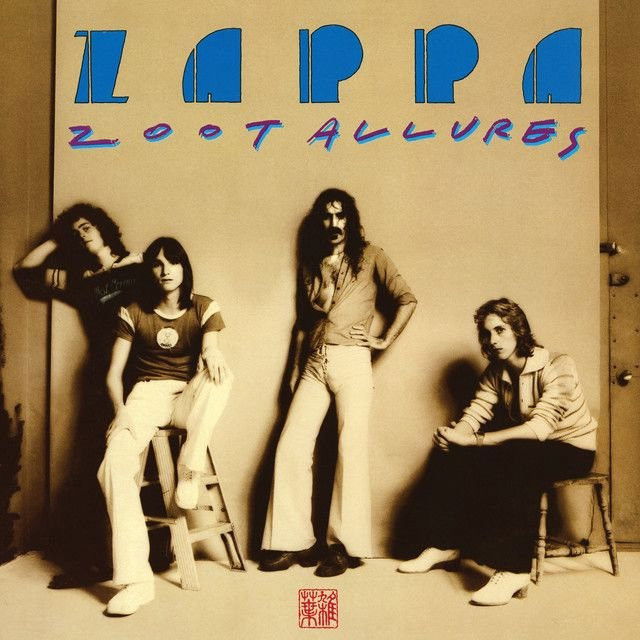
Factually, “Black Napkins” is a Frank Zappa composition from the 1970s and became a notable vehicle for his expressive guitar playing on stage and on record. It appears in live contexts from that era and is tied to the world around Zoot Allures, released in 1976. Zappa is credited as the writer, and he also produced much of his own work across this period.
Because the piece is instrumental, there are no standard verses or choruses to quote. That changes how meaning works. Rather than decoding lines, they have to follow tension and release, the way the melody climbs, lingers, and then falls back.
Interpretation: the song feels like an inner monologue with no words attached. It suggests someone trying to hold emotion in a careful shape, not letting it spill out too fast.

Watch the official Black Napkins
music video
What the Title Suggests
The title “Black Napkins” is strange in a classic Zappa way. A napkin is everyday and domestic. The word “black” adds formality, darkness, and even a funeral shade.
That contrast matters. Put together, the title can suggest three things at once:
- ordinary life touched by sorrow
- elegance hiding discomfort
- a private mess kept neat on the surface
Interpretation: this title may be part of why listeners hear the track as mournful but composed. It does not sound chaotic. It sounds contained, like emotion folded carefully in public.
How the Guitar Carries the Meaning
The clearest route into the meaning of Black Napkins Frank Zappa is the lead guitar. Zappa plays with long bends, sustained notes, and pauses that feel almost conversational. They do not rush through ideas. Instead, the solo often sounds like it is searching.
That searching quality is important. Fast playing can impress, but slow phrasing reveals vulnerability. In “Black Napkins,” the lead often hovers over the groove instead of attacking it. That gives the music a human, almost speaking quality.
The Band’s Restraint Matters Too
The backing arrangement supports that mood. Drums and bass stay steady, while keyboards and other colors thicken the atmosphere without taking attention away from the guitar. Even when the harmony shifts, the band tends to preserve space.
Interpretation: that restraint makes the song feel dignified. It is emotional, but not melodramatic. The band does not push the listener toward one obvious feeling; they frame Zappa’s solo so its shades of sadness and tenderness can register.
A Mood Piece, Not a Puzzle
Some Zappa songs invite line-by-line analysis because they are packed with jokes, social commentary, or surreal images. “Black Napkins” works differently. Its meaning is less about decoding symbols and more about noticing emotional movement.
A simple way to hear that movement is in three stages:
- The opening establishes a cool, dark mood.
- The solo starts to widen that mood into something personal.
- Later phrases feel more exposed, as if the music is confessing without speaking.
That structure helps explain why the track can feel sad without becoming hopeless. It opens in distance, then gradually becomes intimate.
Why Fans Often Hear Sadness in It
Listeners often describe “Black Napkins” as haunting, lonely, or reflective. That response makes sense. The tempo is measured, the melodic shapes are aching, and the overall tone leans shadowy rather than bright.
Still, sadness is not the only possible reading. There is also grace in the performance. The music does not collapse. It stays upright.
Interpretation: that mix of sorrow and control may be the core of the song’s emotional identity. It sounds less like a breakdown than a person carrying something heavy with style.
Zappa Context Changes the Reading
Artist context matters here. Zappa is often remembered for satire, virtuosity, and genre-hopping. Against that reputation, “Black Napkins” lands with extra force because it strips away the joke and lets tone do the work.
That does not make the piece un-Zappa. In fact, it shows how broad his musical range was. He could build absurdist rock theater, but he could also write a slow instrumental that communicates almost entirely through touch and dynamics.
For fans who know his sharper material, this track can feel revealing. It suggests that beneath the irony, there was a serious melodic thinker interested in beauty as much as disruption.
Final Take on the Song’s Meaning
So, what is the meaning of Black Napkins Frank Zappa? The strongest answer is that it turns restraint into emotion. Through title, pacing, and guitar phrasing, the song suggests darkness held in elegant form.
That is why it continues to connect. They do not need lyrics to understand it; the performance itself becomes the message.
Disclaimer: This interpretation is based on the recording’s title, arrangement, and performance style. Because “Black Napkins” is primarily instrumental, meaning remains open to listener experience.







