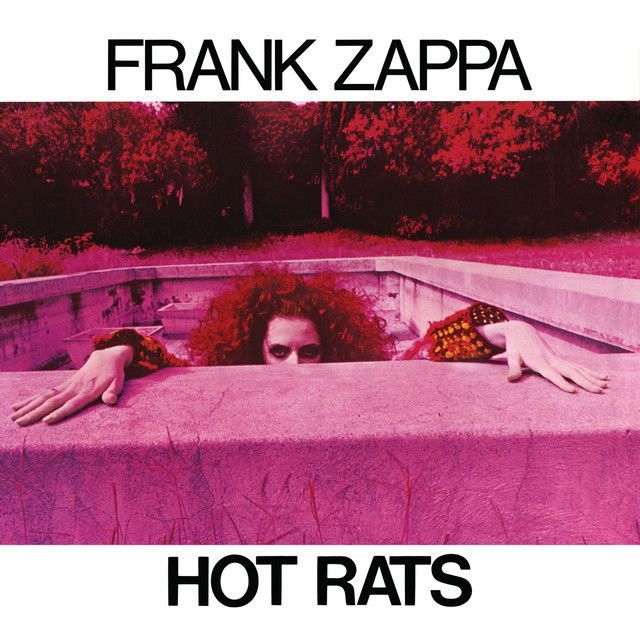
Willie The Pimp by Frank Zappa
A dirty blues groove, a grotesque narrator, and a giant guitar solo turn this track into one of Zappa’s sharpest character studies.
"Willie The Pimp" - Frank Zappa
Provided by LyricFindI'm a little pimp with my hair gassed back
Pair of khaki pants with my shoes shined black
Got a little lady walk that streetLoading...Loading lyrics...
Unable to load lyrics
We're unable to display the lyrics at this time. Please try again later.
Why the meaning of Willie The Pimp Frank Zappa still grabs listeners
The meaning of Willie The Pimp Frank Zappa starts with performance. On the surface, the song sounds like a boast from a street hustler who sells style, sex, and menace. But the deeper effect is less heroic than ugly, funny, and unsettling.
Factually, the track appeared on Hot Rats in 1969, and it is the album’s only vocal-led song on the original release. It features Captain Beefheart on vocals and a long Frank Zappa guitar solo, details widely noted in reference sources covering the song and album history.Willie the Pimp - Wikipedia
Interpretation: Rather than praising Willie, the song seems to expose him. Zappa often built songs around extreme characters, and Willie feels like one more cartoon made from real American grime.
Watch the official Willie The Pimp
music video
A narrator built on swagger and salesmanship
The lyric voice introduces itself with instant self-advertising. Short phrases like little pimp
and hair gassed back
paint Willie as a man who has turned image into armor.
That matters because the song never gives them inner depth or regret. Instead, Willie talks like a salesman. He has a woman who will walk that street
, a system for making money, and a public corner where deals happen in plain sight.
Interpretation: The first-person bragging is part of the joke. Willie acts powerful, but the world around him feels cheap, transactional, and morally rotten. Their confidence sounds rehearsed, not noble.
The story behind the grime
Several lines place the action in a street economy built on hustle. There is a customer with a suit and bow tie, a quick-money promise, and the seedy image of the Lido Hotel
. Songfacts describes Willie as one of Zappa’s odd character creations and links the setting to Coney Island’s Lido Hotel imagery.Willie the Pimp by Frank Zappa - Songfacts
That setting is important. Hotels, corners, lobby spaces, and checks from outsiders all suggest movement, deals, and disguise. Nobody seems rooted. Everyone is buying, selling, or passing through.
Interpretation: The song is not just about one pimp. It is about a whole small economy of exploitation, where appearance matters more than humanity and every person becomes a product.
What the hook of "hot" words really does
The repeated list built around hot rats
is one of the strangest parts of the song. It does not advance the plot in a clean way. Instead, it creates a feverish pileup of sensations: heat, dirt, lust, infection, and urban waste.
Hot meat
Hot rats
Hot chicks
Those fragments feel half like ad copy and half like nightmare language. The title of the album Hot Rats reportedly comes from this lyric connection.Willie the Pimp - Wikipedia
Interpretation: The chant turns desire into merchandise. Everything is “hot,” but nothing feels human. It is a perfect summary of the song’s world: overheated, comic, predatory, and decayed.
How Captain Beefheart changes the song’s meaning
Captain Beefheart’s vocal is central to why the song works. His voice sounds cracked, theatrical, and barely controlled. A smoother singer might have made Willie charming. Beefheart makes him grotesque.
That difference matters for interpretation. The performance keeps the song from becoming simple outlaw cool. Instead, it feels like listeners are trapped inside a dirty monologue from someone who thinks they are impressive while the music reveals something darker.
Song references also note the long friendship and collaboration between Zappa and Beefheart, which helps explain why this vocal sounds so confidently strange.Willie the Pimp by Frank Zappa - Songfacts
The guitar solo says what the lyric won’t
After the vocal setup, the song opens into an extended Zappa solo. That solo is not decoration. It expands the meaning.
Factually, the track is famous for its lengthy guitar feature, and Rolling Stone later ranked it among great guitar songs, a point often cited in coverage of the song’s reception.Willie the Pimp - Wikipedia
Interpretation: The solo feels like the interior weather of the world Willie represents. It is slippery, aggressive, and alive with tension. Where the lyrics give a sketch, the guitar gives atmosphere: danger, swagger, dirt, and restless motion.
The band supports that mood with a heavy blues-rock groove. Bass, drums, electric violin, tack piano, and guitar create something looser and nastier than polished classic rock. That roughness helps the song feel lived-in rather than theatrical in a clean studio sense.
Two strong ways to read the song
There are at least two convincing readings:
- Satire of a pimp persona. Willie is a grotesque braggart, and the song mocks his idea of power.
- Portrait of underground America. Willie is one figure in a broader landscape of hustlers, buyers, and decaying glamour.
Both readings fit the evidence. They also fit Zappa’s larger habit of mixing humor, social ugliness, and musical virtuosity into the same piece.
The lasting takeaway
The meaning of Willie The Pimp Frank Zappa is not hidden in a puzzle so much as embedded in tone. The song presents a loud, dirty, self-selling character, then lets the voice, imagery, and guitar reveal the cost of that world.
That is why the track lasts. It is funny, nasty, and musically thrilling at the same time.
Disclaimer: This interpretation is based on the lyrics, performance, and documented song context. As with much of Zappa’s work, listeners may reasonably hear different shades of satire, portraiture, or social critique.








