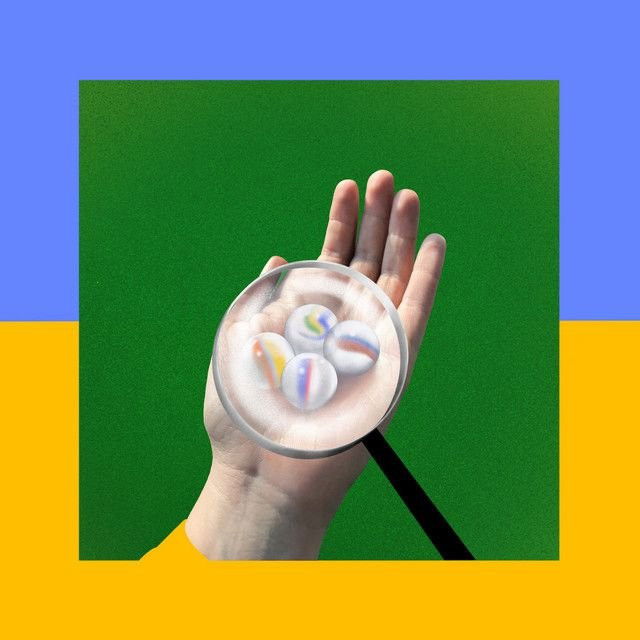
Rings (On A Tree) by Frankie Cosmos
A breakup song with a painful angle
The meaning of Rings (On A Tree) Frankie Cosmos starts with a triangle. This is not just a sad breakup song. It is a song about being emotionally sidelined and finally seeing a relationship for what it is.
"Rings (On A Tree)" - Frankie Cosmos
To try to hold on to a falling tree
One that wouldn't even look at me
Loading lyrics...
Unable to load lyrics
We're unable to display the lyrics at this time. Please try again later.
Greta Kline, the songwriter behind Frankie Cosmos, said the track is a fictional breakup story told from the viewpoint of a mistress. In comments reported by Stereogum, they explained that while the scenario is fictional, the emotion came from being in a relationship where their feelings were not prioritized. That detail is key. It turns the song from gossip into a study of self-worth.
The narrator is not only mourning a romance. They are waking up to the fact that they accepted less than they needed. That is why the song feels both wounded and clear-eyed.
Watch the official Rings (On A Tree)
music video
The central image: a tree that cannot love back
Early in the song, the narrator compares the other person to a falling tree. They admit it was so wrong
to keep trying to hold onto something already collapsing. In plain terms, they were trying to save a bond that was unstable from the start.
That tree image matters because trees suggest age, growth, and strength. But here, the tree is falling and emotionally cold. The person would not even look back at the narrator or hold them with care. The song turns a natural object into a symbol of one-sided love: large, impressive, but unavailable.
Interpretation: the title likely deepens this image. “Rings” can suggest tree rings, which record time and history, but also romantic rings, which suggest commitment. The song puts those meanings into tension. One person may have wanted lasting love, while the actual relationship was never fully theirs.
Why the ring hurts more than the romance
The sharpest emotional turn comes when the narrator realizes that a public symbol of commitment outweighs their private connection. They say, in effect, that your ring means more
than what the two of them had.
That line is simple, but brutal. It shows that the affair or emotional attachment was never going to beat the social power of marriage, loyalty, or appearance. Even if the feelings were real, the hierarchy was already set.
This also explains the song’s anger toward secrecy and shame. The narrator hints that the other person would only cause trouble with family or social ties under certain conditions. The relationship is not free. It is managed, hidden, and limited.
A song about survival, not just heartbreak
One of the most striking moments arrives after the breakup. The narrator says that after deciding to end it all
, they go for a walk and feel as if the world is urging them not to. This is the song’s darkest line, and it should be read carefully.
Rather than romanticizing despair, the song shows a passing crisis followed by a return to life. Nature becomes corrective. The outside world seems planted with signs that they should keep going. That shift gives the song moral and emotional weight. The narrator is not only leaving a bad relationship; they are stepping back from self-erasure.
In that sense, the song becomes about recovery. The breakup hurts because it exposed how much of the self had been handed over to someone else.
The final insight is about identity
By the end, the narrator reaches the song’s clearest realization: I was always me
. That insight sounds small, but it is the whole point. They understand that beneath all the compromising, performing, and hoping, they still had a self that existed before this person.
At the same time, the other person remains hard to shake. The narrator admits there is always you
turning up in everyday life. That is emotionally realistic. Healing does not erase memory.
Oh how I wish we'd never met
Oh baby I was all alone in it
These lines summarize the contradiction. The narrator wishes the relationship had never happened, yet they can now describe exactly why it hurt: they were isolated inside a bond that looked shared but did not feel mutual.
How the band arrangement changes the meaning
“Rings (On A Tree)” first appeared as a solo piano song in Kline’s Haunted Items project, then was re-recorded with the full band for Close It Quietly. That history matters because the fuller arrangement changes how the song lands.
Reports from Stereogum and Paste note that the band version adds punchy drums, melodic coos, a funky guitar line, and bright synth texture. Kline also said the new version felt collaborative, with bandmates helping shape the middle guitar part. The result is a song whose sound has more movement than its original form.
That extra energy creates an important contrast. The lyrics are bruised, but the music is nimble and alive. Instead of sinking into misery, the track keeps moving forward. The production suggests that clarity can sound light on its feet, even when the subject is painful.
Two useful ways to read the song
Reading one: the literal story
Factually, Kline framed the song as a fictional breakup from a mistress’s point of view. Read this way, the song is about divided loyalty, social commitment, and the pain of coming second.
Reading two: a wider story about emotional neglect
Interpretation: even without the mistress scenario, the song works as a portrait of any relationship where one person keeps shrinking to fit the other person’s needs. The “ring” then stands for whatever holds more power than the narrator does: another partner, family approval, fear, or habit.
Why this song stays with listeners
The meaning of Rings (On A Tree) Frankie Cosmos is powerful because it moves from humiliation to self-recognition without pretending that recovery is neat. It shows how people can mistake endurance for love, then slowly recover their own outline.
Frankie Cosmos often writes in a small scale, but this song proves how much drama can fit into a few images: a tree, a ring, a walk, a returning sense of self. The song’s real victory is not revenge. It is recognition.
Disclaimer: This interpretation is based on the released song, reported artist comments, and musical context. As with any art, listeners may hear different meanings in it.








