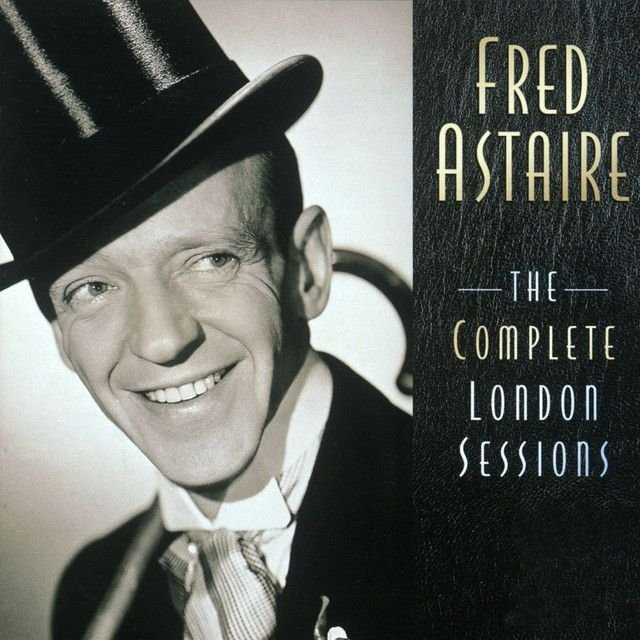
Why “Puttin' On the Ritz” Still Sparkles
The meaning of Puttin' On the Ritz Fred Astaire starts with style, but it does not end there. On the surface, the song is a bright invitation to dress well, go out, and join fashionable people. Under that shine, though, it also pokes at status, performance, and the way people use glamour to escape ordinary worries.
"Puttin' On the Ritz" - Fred Astaire
Up and down Park Avenue
On that famous thoroughfare
Loading lyrics...
Unable to load lyrics
We're unable to display the lyrics at this time. Please try again later.
Written by Irving Berlin and popularized in part through Fred Astaire’s screen image, the song became one of the best-known standards of its era. Berlin’s Songwriters Hall of Fame profile and Astaire’s Britannica entry help place it in that world of Broadway polish, movie elegance, and American pop sophistication.
A Fancy Song With a Sharp Wink
At first glance, the lyric simply watches wealthy people moving through a stylish part of town. The opening scene shows the “well to do” strolling with perfect posture and expensive taste. That picture matters because the song is not just admiring them. It is also lightly teasing them.
Details like noses in the air
suggest pride, distance, and maybe a little snobbery. Then the lyric piles on clothing and money details, turning social class into a costume. The effect is playful: these people are elegant, but they are also putting on a show.
Interpretation: That is the core tension of the song. It celebrates style while hinting that style can be artificial. Looking rich and actually being rich are not always the same thing.
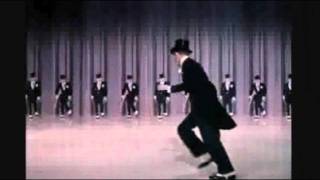
Watch the official Puttin' On the Ritz
music video
What “Puttin’ On the Ritz” Really Means
The title phrase is crucial. “Puttin’ on the Ritz” means dressing up and showing off in high style. It points to luxury, polish, and public display. In the song, fashion becomes almost a kind of theater.
That is why the chorus speaks to anyone feeling low. If they are blue and unsure where to go, the answer is to head where fashion sits
. The song treats appearance as medicine. Dressing up, going out, and entering a glamorous crowd might not fix life, but they can change a mood.
If you're blueand you don't know where to gogo where fashion sitsPuttin' on the Ritz
This is the song’s emotional pivot. The verses observe the rich from the outside, but the chorus opens the door to everyone. For a moment, glamour seems democratic. Anyone can try the look, join the room, and act as if they belong.
The Song’s Social Comedy
One of the smartest parts of the lyric is how it mixes admiration with parody. The song lists formal clothes, polished fits, and expensive habits so precisely that listeners can almost see the crowd. But the language also exaggerates them.
When the singer describes someone like Gary Cooper
, the point is not only elegance. It is imitation. People are modeling themselves after a movie star. They are performing a role they hope others will recognize.
That gives the song a gently comic edge. High society is not presented as natural or effortless. It looks rehearsed. The rich, the would-be rich, and the socially ambitious are all playing parts.
Dressing Up as Hope
There is also a warmer reading. During hard times, style can be a form of optimism. Putting on a sharp coat, stepping into public, and carrying oneself with confidence can feel like a small act of self-rescue.
Interpretation: In that sense, the song is not mocking ordinary people who want glamour. It understands them. It suggests that presentation can create confidence, even if only for one night.
Why Fred Astaire Fits the Song So Well
Fred Astaire did not write the song, but he helped define how many people imagine it. His screen persona was graceful, controlled, and effortlessly refined. When he performed material like this, elegance became movement, not just words.
That matters for the meaning of Puttin' On the Ritz Fred Astaire. Astaire makes the song feel less like a lecture about class and more like a dance through it. His delivery turns social observation into charm. Instead of sounding bitter, the song glides.
His version also highlights a key idea: sophistication is a performance that can be learned. Astaire’s poise sells the fantasy that polish is available to anyone willing to practice it.
How the Music Carries the Message
Musically, the song supports that glamorous theme through rhythm and structure. It has the snap and lift of a classic popular standard, with a bounce that suggests nightlife, bright lights, and public motion. The melody feels tidy and dressed up, much like the people in the lyric.
The phrasing is important too. Short, crisp lines mirror the neatness of tailored clothes. The repeated title hook lands like a stylish gesture at the end of a sentence. Everything feels arranged.
At the same time, the tune is catchy and accessible. That balance matters. The song describes elite spaces, but the music invites a broad audience in. Listeners do not need wealth to enjoy the fantasy.
A Song About Class, Image, and Escape
Taken together, the song works on three levels:
- It paints a vivid picture of fashionable upper-class life.
- It jokes about how status is displayed through clothes and attitude.
- It offers glamour as a temporary escape from sadness or routine.
That mix helps explain its long life. The song is not just about old-money style. It is about a very modern idea: image can shape how people feel and how they are seen.
Why It Still Connects Today
Modern listeners still understand this impulse. They may not wear spats or stroll Park Avenue, but they know what it means to dress for confidence, copy celebrity style, or chase a mood through appearance. Social media has only made that performance of self more familiar.
So the song lasts because its world is specific, but its idea is broad. People still “put on” versions of themselves in public. Berlin’s lyric caught that truth early, and Astaire helped make it timeless.
Final Take on the Song’s Meaning
The meaning of Puttin' On the Ritz Fred Astaire is not just that fancy clothes are fun. It is that glamour can be both real pleasure and social performance. The song smiles at wealth, borrows its sparkle, and turns style into a brief cure for feeling down.
That mix of wit, elegance, and emotional escape is why it still shines.
Disclaimer: This interpretation combines widely known historical context with close reading of the lyric and performance. Meaning in songs can remain open to more than one valid reading.








