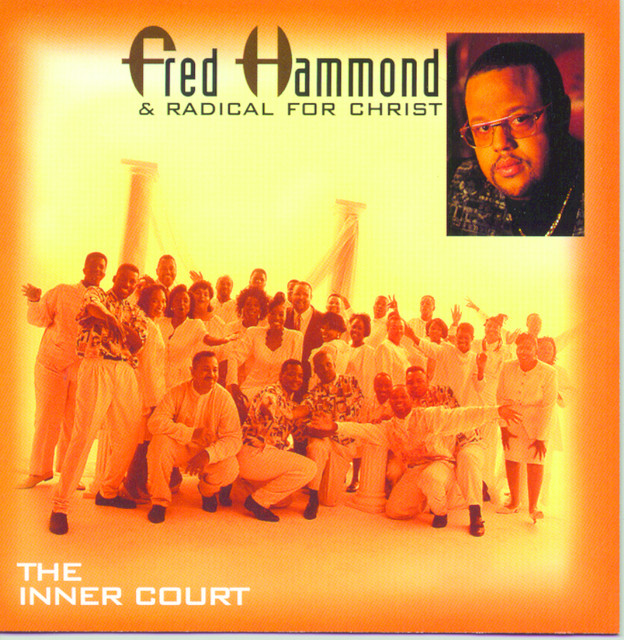
Why “We’re Blessed” Feels Bigger Than a Chorus
The meaning of We're Blessed Fred Hammond, Radical For Christ starts with a simple idea: blessing is not just a feeling after good news. In this song, blessing is treated like a faith statement, a shared identity, and a form of spiritual resistance.
"We're Blessed" - Fred Hammond, Radical For Christ
Say blessed, yeah
Blessed, yeah, blessed, yeah, blessed
Loading lyrics...
Unable to load lyrics
We're unable to display the lyrics at this time. Please try again later.
Fred Hammond and Radical For Christ built the track as a congregational anthem, not a private diary entry. That matters. The song keeps moving from personal life into community language, turning everyday spaces, hard seasons, and church celebration into one message: God is still present, and that presence changes how believers name their reality.
The Core Message Behind the Celebration
At its heart, the song says that God's favor reaches every part of life. The hook lists ordinary places and routines, using phrases like in the city
and in the field
to suggest total coverage. The point is not geography alone. It is that no setting falls outside divine care.
The song also frames blessing as something spoken aloud. When the group repeats we are blessed
, they are not merely describing comfort. They are making a declaration meant to strengthen faith, especially when circumstances may not look easy.
Interpretation: This is why the song still works in worship services. It teaches listeners to answer fear with testimony. Instead of waiting to feel secure first, they speak security in God's promises.
Watch the official We're Blessed
music video
A Song That Moves From Praise to Battle
One of the most striking parts of the lyric is how quickly it shifts from celebration into spiritual struggle. After naming blessing in daily life, the song says we cast down every stronghold
. That line broadens the message.
Now the song is not only about gratitude. It is also about confrontation. Hardship, sickness, and lack are treated as forces that do not get the final word. The repeated claim that evil is defeated turns the chorus into a victory chant.
This blend is common in gospel music. Praise and warfare often sit side by side. In this song, blessing is not soft or passive. It is active trust.
The “Midnight Hour” Turn
Later, the song introduces one of its most memorable images: late in the midnight hour
. That phrase changes the emotional color. Midnight suggests crisis, loneliness, or the point when help seems delayed.
The answer is hope. The song insists God can reverse a situation and make it work in the believer's favor.
Late in the midnight hour
God's gonna turn it around
This brief section matters because it keeps the song from sounding shallow. It acknowledges pain without centering pain. The darkness is real, but it is temporary.
Biblical Echoes and Church Language
The wording strongly echoes biblical patterns of blessing, obedience, victory, and public confession. Even without quoting scripture directly, the song uses language many church listeners will recognize from sermons and worship traditions.
That is why the lyrics mention family, home, school, travel, and national standing. These are not random examples. They show a whole-life view of faith. Blessing is imagined as something that touches relationships, movement, work, and identity.
Interpretation: The song is less interested in luxury than in covenant. In other words, its idea of blessing is broader than money. It includes protection, belonging, endurance, and the confidence that God is with His people.
Why the Group Sound Matters So Much
The production helps explain why the message lands so strongly. The song leans on gospel's communal strengths: call-and-response vocals, layered harmonies, steady rhythm, and repeated hooks that let a crowd join fast.
That structure turns the lyric into participation. A solo performance could have made the song feel like one person's testimony. Radical For Christ make it sound like a room full of believers building each other's courage in real time.
The groove also matters. The beat is energetic without rushing, which gives the declarations weight. Each repetition feels less like filler and more like reinforcement. By the time the chorus returns again, the listener is not just hearing the claim; they are expected to join it.
Fred Hammond’s Signature Balance
Fred Hammond is known for blending contemporary gospel polish with church-rooted energy, a style reflected across his catalog and live ministry presence. In this song, that balance keeps the message accessible. It is musically tight, but never so sleek that it loses the feeling of a sanctuary response.
That balance explains the song's long life. It works as recorded music, but it really thrives in communal performance, where repetition becomes conviction.
Why the Song Still Connects
Part of the song's staying power is its simplicity. The lyric does not chase complicated poetry. Instead, it uses direct statements that listeners can remember in stress, prayer, or praise.
It also speaks to a wide range of moments:
- celebration after breakthrough
- endurance during illness or pressure
- corporate worship in church
- personal encouragement during fear
That flexibility helps explain why so many people treat it as both a praise song and a survival song. The language of blessing becomes a way to resist despair.
Final Take on the Song’s Meaning
The meaning of We're Blessed Fred Hammond, Radical For Christ is about more than saying thanks for what is going well. The song argues that believers can name God's favor before, during, and after struggle. It links praise, spiritual warfare, and community testimony in one powerful chorus.
Interpretation: Its deepest message may be that blessing is not proven only by easy circumstances. In this song, blessing means God's presence remains true in public joy, private battle, and the long night before things turn around.
Disclaimer: This interpretation is based on the lyrics provided, the song's gospel context, and common themes in Fred Hammond's work. Meanings can vary from listener to listener.







