Palmolive Turns Drug-Rap Into History
The meaning of Palmolive Freddie Gibbs, Madlib, Pusha T, Killer Mike starts with a simple idea: this is not just a flex song. It is a song about survival inside systems that push crime, reward it for a while, and then punish it hard. The verses sound proud, funny, violent, and exhausted at once.
"Palmolive" - Freddie Gibbs, Madlib ft. Pusha T, Killer Mike
It should speak for itself, you know what I mean?
Kane season
Loading lyrics...
Unable to load lyrics
We're unable to display the lyrics at this time. Please try again later.
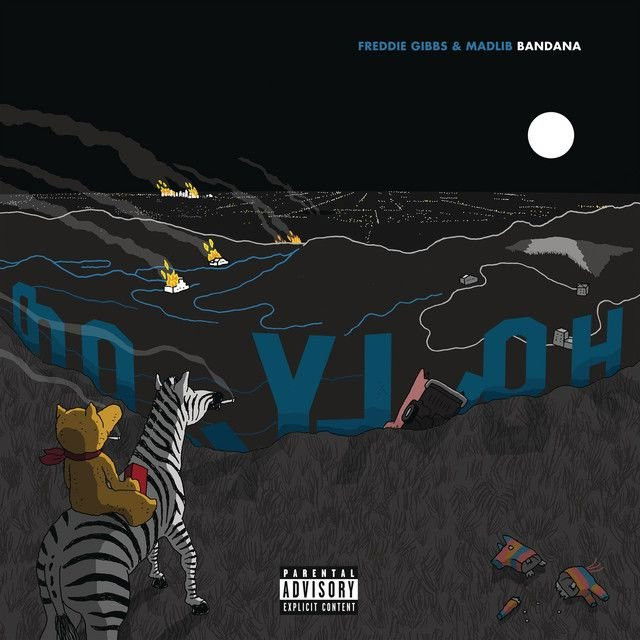
Released on Freddie Gibbs and Madlib's acclaimed Bandana, “Palmolive” brings together three rappers who all know how to turn street detail into social commentary. Freddie Gibbs handles the first verse, Pusha T takes the second, and Killer Mike closes with a spoken joke that darkens the whole track.
What the Song Is Really Selling
On the surface, “Palmolive” is full of dealer talk, status symbols, and hard-earned confidence. Gibbs and Pusha rap like men who came through dangerous economies and learned to read every room. But the song keeps linking personal hustle to larger American failure.
Gibbs moves from local memories to political anger fast. He mocks broken promises, points at police, and ties Black survival to junk food, addiction, and state neglect. When he drops the phrase Mr. Clean, glass, all Palmolive
, he is not praising cleanliness in a normal sense. He is comparing household brands to drug purity, showing how everyday American products become code inside the underground economy.
Interpretation: the title hints at how drug dealing gets folded into ordinary life. Soap names sound harmless, but here they point to chemistry, packaging, and the business of selling illusion.

Watch the official Palmolive
music video
Freddie Gibbs Maps the Trap and the Nation
Gibbs's verse is packed with snapshots. He jumps from sex to religion, from sneakers on a basement floor to national politics. That chaos matters. It mirrors a life where crime, family, style, and fear all sit in one place.
A key line of thought comes when he rejects old myths of American repair and then lists what people really received instead. He is saying the promised future never arrived. In its place came fast food, drugs, policing, and hustle. Later, when he says reclaim my fucking time
, he turns a famous political phrase into a personal mission: after years of risk, he wants wealth and control on his own terms.
He also places the story in history. References to Reagan-era damage and a “reality star” president make the verse feel bigger than autobiography. The neighborhood is not broken by accident. It was shaped by policy, media, and neglect.
Pusha T's Verse: Luxury With Blood Under It
Pusha T does what he does best: he makes high-end imagery feel cold, not glamorous. Watches, bezels, stash spots, and expensive taste all show up, but they never sound carefree. His voice is too sharp for that.
When he says These scars
are proof, he turns survival into evidence. The body becomes a record of what the game cost. Later, PTSD
appears in a line about weighing drugs, which is one of the clearest moments on the song. He is not romanticizing the past. He is saying the money came with trauma that does not leave.
That matters because Pusha often gets reduced to clever coke rap. “Palmolive” shows the deeper version of his writing. He still boasts, but the boasting sits next to memory, fear, and the knowledge that American politics helped shape the market he describes.
Why the Hook Sounds Like a Warning
The chorus sounds catchy, but its message is caution. It starts with the energy of ambition, then swerves into danger. The idea is simple: make money if they must, but stay invisible, because police are always near.
That is why play low
matters so much. It is not just advice for avoiding arrest. It is a whole worldview. Move quietly, hide success, trust very little. In that sense, the hook reframes both verses. What seems like victory is actually life under pressure.
Make money, more money, mathematicsBut the poposkeep coming for it.
Those two thoughts sit together all through the song: ambition and crackdown, profit and paranoia.
Madlib's Beat Makes the Meaning Hit Harder
Madlib's production is crucial to the song's meaning. On Bandana credits, he is the sole producer, and “Palmolive” carries his gift for loops that feel dusty and alive at once. The beat glides, but it never feels safe.
The sample-based backdrop has a rich, almost elegant mood, which makes the lyrics hit harder. Instead of sounding grim in an obvious way, the track sounds smooth enough to tempt the listener in. That contrast mirrors the song's subject: the drug economy can look stylish from a distance, while hiding fear, grief, and brutality underneath.
The drums are steady but not overwhelming. That leaves room for the verses to dominate. Each rapper sounds like they are stepping onto a stage built from old soul records and hard memory.
Killer Mike's Ending Changes the Whole Mood
Killer Mike does not rap a full verse. Instead, he tells a dark story about betrayal, murder, and a punchline that lands like a threat. It is funny in structure, but ugly in content.
That ending matters because it strips away any leftover glamour. After all the luxury details and winning talk, the song closes on cruelty and fatalism. In this world, even a joke ends with somebody dead.
Interpretation: Mike's cameo works like a curtain drop. It reminds listeners that the street stories on the track are not just bars to admire. They come from a culture where bad timing can ruin everything.
Final Take on “Palmolive”
The meaning of Palmolive Freddie Gibbs, Madlib, Pusha T, Killer Mike is about more than drug dealing. It is about how people survive inside broken American systems, then carry the scars into success. The song celebrates skill and endurance, but it never forgets the price.
That is why “Palmolive” lasts. It is thrilling rap, but also historical rap. Every flex has a shadow behind it.
Disclaimer: This article offers interpretation based on the lyrics, performance, and available artist context. Different listeners may reasonably hear the song in different ways.








