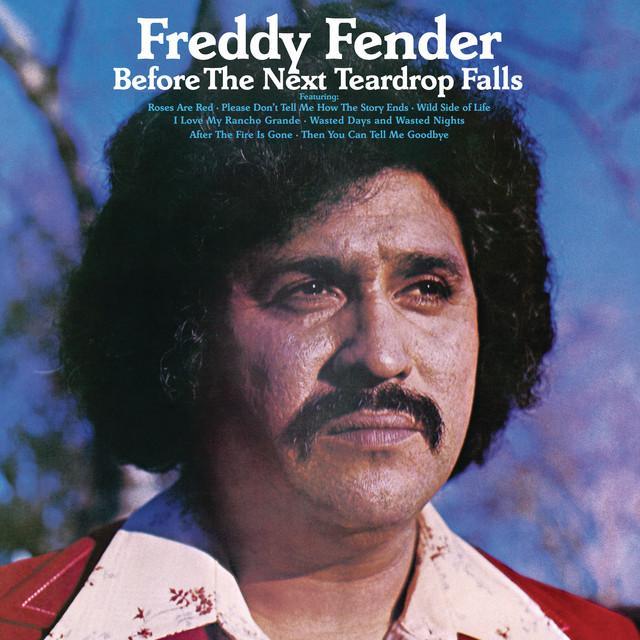
Wasted Days And Wasted Nights by Freddy Fender
The meaning of Wasted Days And Wasted Nights Freddy Fender starts with a simple heartbreak story, but the song lasts because it says that pain in such a direct, human way. They hear a narrator trying to pull away from someone who has already chosen another life. The loss is personal, but the real subject is emotional exhaustion: time spent loving the wrong person, time spent hoping, and time spent learning to let go.
"Wasted Days And Wasted Nights" - Freddy Fender
(Mr. Doug Sahm, better know as Sir Douglas Quintet)
(From San Antonio)
Loading lyrics...
Unable to load lyrics
We're unable to display the lyrics at this time. Please try again later.
Freddy Fender first recorded the song in 1959, then turned it into a major hit with a 1975 re-recording after the success of Before the Next Teardrop Falls. That later version reached No. 1 on Billboard’s Hot Country Singles and No. 8 on the Hot 100, according to chart records. Those facts matter because they show how a deeply regional sound and a plainspoken lyric became mainstream without losing their sadness.
A breakup song about wasted time
At its core, the song is about accepting that love cannot be forced. The narrator is not confused about the problem. They know the other person does not truly belong with them, and that truth hurts more because it is already clear.
When Fender sings wasted days and wasted nights
, he is not only talking about boredom or missing someone. He is talking about life energy being drained by devotion that has nowhere to go. The title turns heartbreak into a measure of time. Love is not just painful here; it is costly.
Another key phrase is your heart belongs to someone else
. That line makes the emotional conflict very plain. The relationship is broken not by mystery but by divided loyalty. The narrator understands the facts, yet they still struggle to stop loving.

Watch the official Wasted Days And Wasted Nights
music video
The singer’s questions are really statements
One smart thing about the lyric is that it asks questions that already contain the answers. The narrator wonders why they should keep loving this person and why they should keep calling their name. These are not open questions. They are the sound of someone talking themselves toward self-respect.
That is why making me blue
matters. It sounds simple, even old-fashioned, but it gives the song its emotional color. “Blue” suggests sadness, yes, but also loneliness that has settled in and become familiar.
A short lyric moment that sums it up
Before and after this passage, the song makes clear that the speaker feels abandoned and still emotionally attached:
Don't you remember the day
you went away and left me?
This is the turning point in the story. The narrator is not only hurt by betrayal in a general sense. They remember a specific leaving. That memory keeps the wound active.
How the verses build the theme
The song moves in a tight emotional circle, and that repetition is part of its power.
- First, the narrator admits the relationship is over.
- Next, they face the fact of unfaithfulness.
- Then they return to the memory of being left alone.
- Finally, they repeat the same questions, showing they are still trapped in the feeling.
Interpretation: This circular structure mirrors heartbreak itself. People often revisit the same thoughts again and again, even after they know the truth. The song captures that loop without needing big imagery or complex storytelling.
Why Freddy Fender’s voice changes the meaning
Fender’s performance is crucial to the song’s impact. On paper, the lyric is very direct. In performance, though, it becomes tender rather than bitter. He does not sound like someone raging at an ex. He sounds worn down, still bruised, and almost surprised by how much the loss still hurts.
That vocal style fits Fender’s larger musical identity. He was known for blending country, pop, rockabilly, and Tejano influences, and this song is often linked to swamp pop. The style matters because swamp pop thrives on yearning. Its slow pulse, crying melody, and smooth rhythm section make heartbreak feel heavy and physical.
The 1975 recording supports that mood with restrained drums, gentle piano, and guitar that never crowds the vocal. Nothing in the arrangement is flashy. Instead, the track gives Fender room to lean into the ache of phrases like not true
and so lonely
. The production, credited to Huey P. Meaux, helps the song feel intimate rather than theatrical.
Context makes the song even stronger
There is also a larger life story behind the hit. Fender first cut the song in 1959, long before it became a crossover success in 1975. That long gap gives the song an added sense of survival. It sounds like a record that had to wait for its moment.
The introduction sometimes used in performance also nods to Doug Sahm and the Sir Douglas Quintet, who recorded their own version in 1971. That connection places the song inside a Texas and borderland musical world where country sorrow, rhythm-and-blues feeling, and regional pride all meet.
Its later success proves how universal the message is. Even with its specific style, the song reached across formats: country, pop, and adult contemporary. It was later certified Gold in the United States and entered the Grammy Hall of Fame in 2012.
The deeper meaning of Wasted Days And Wasted Nights Freddy Fender
So what is the deeper meaning of Wasted Days And Wasted Nights Freddy Fender? It is about the moment when heartbreak turns into recognition. The narrator still loves, still remembers, and still aches, but they also know the truth. The song lives in that painful middle ground between desire and acceptance.
Interpretation: Another way to hear it is as a quiet song of reclaiming dignity. The repeated questions sound sad, but they also mark the start of emotional separation. By naming the wasted time, the narrator begins to stop wasting more of it.
That balance is why the song still connects. It does not promise revenge, closure, or a fresh start. It simply tells the truth about loving someone who is already gone.
Disclaimer: This interpretation is based on the released lyric, performance, and documented song history. As with any song, listeners may hear meanings that differ from the ones discussed here.







