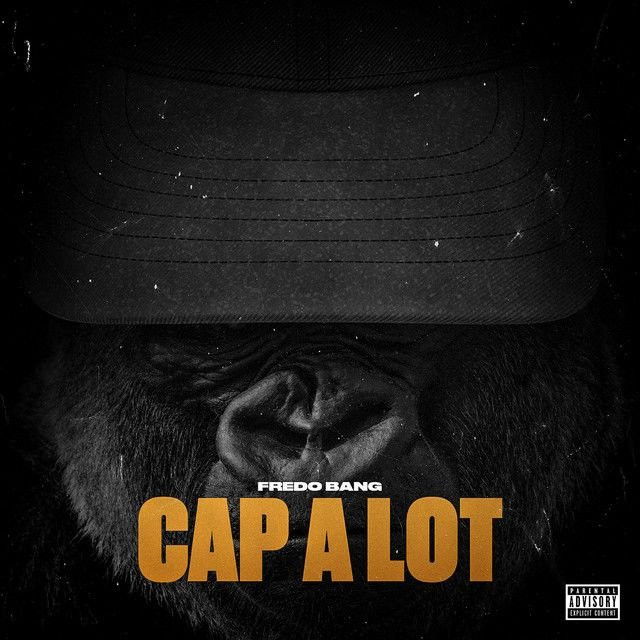
Why 'Cap A Lot' Hits Like a Warning
The meaning of Cap A Lot Fredo Bang starts with one simple accusation: too many people are pretending. The song is built around the idea that public talk, rap posturing, and real street violence now live side by side. Fredo Bang does not treat that as a joke. They present it as a dangerous reality.
"Cap A Lot" - Fredo Bang
Yeah, these days, niggas like to cap a lot (cap a lot)
Bandana wrapped around the Glock, I call it 'Pac (call it 'Pac)
Loading lyrics...
Unable to load lyrics
We're unable to display the lyrics at this time. Please try again later.
Rather than telling one detailed story, the track stacks threats, memories, and status claims to show how credibility works in their world. The result is a song that feels less like a confession and more like a warning shot.
The Core Idea Behind the Record
At its center, “Cap A Lot” argues that false bravado has consequences. When Fredo Bang repeats cap a lot
, they are not only mocking liars. They are drawing a line between people who perform toughness and people who believe they really live it.
That distinction matters because the verses keep linking words to action. The song suggests that dissing, gossip, and image-building can quickly turn into retaliation. Interpretation: this is why the track feels so severe. It treats speech itself as something explosive.
The hook also gives the song a broad target. Fredo Bang is not calling out just one rival. They are criticizing a whole culture of exaggeration, where everyone wants to look dangerous, famous, or untouchable.
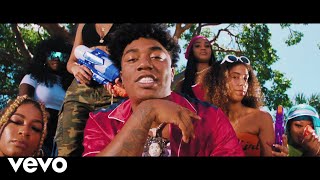
Watch the official Cap A Lot
music video
Fredo Bang's Persona and Context
Fredo Bang is a Louisiana rapper whose music often blends pain, survival, and intimidation, a style noted in profiles by outlets such as Billboard and AllMusic. That background helps explain why “Cap A Lot” sounds so direct. They come from a lane of Southern street rap where reputation is part of the art itself.
The writing credits provided here list Fredrick II Givens and Jackie Plant. Even without extensive public production details, the song fits Fredo Bang’s broader approach: hard street realism, concise hooks, and a delivery that favors pressure over reflection.
Factual note: the song title and artist attribution are clear from the provided material, while some release details and producer credits are not confirmed here and are left unspecified.
How the Verses Build a World
The first verse moves quickly through images of weapons, retaliation, and emotional coldness. When Fredo Bang says heart cold, popsicle
, they compress a whole mindset into a punchline. The lyric suggests numbness is now survival gear.
Elsewhere, they mention Glock under my pillow
, which turns fear into routine. This is not framed as a rare emergency. It sounds normal, even domestic, which makes the song more unsettling.
Another key line is dissing in them songs
. That phrase matters because it ties rap directly to violence. The track implies that songs are not separate from real life; they can escalate it. Interpretation: Fredo Bang may be commenting on a rap environment where clout and conflict feed each other.
The Chorus as the Song's Thesis
The chorus does not add new details, but it sharpens the message. By repeating these days
before the title phrase, Fredo Bang makes the complaint sound generational. This is not just about one moment. They are saying the problem has become common.
That repetition also does something musical. It turns the accusation into a chant, almost like a verdict. The listener leaves the song remembering not the individual threats, but the standard used to judge them: who is real, and who is acting.
These days
niggas like to cap a lot
In short form, that hook sums up the entire track’s worldview.
Symbols, References, and What They Mean
Several references deepen the song’s identity. The Tupac nod in call it 'Pac
links the bandana-wrapped weapon image to outlaw mythology and rap history. It is not a tribute song, but it borrows symbolic force from a larger cultural icon.
There is also a Southern rap-business reference in the line about “Rap-A-Lot.” That name evokes Houston rap legacy and mob-style branding associated with power and authenticity, as documented in The New York Times and Encyclopaedia Britannica entries on rap history. In the song, the mention works like self-placement: Fredo Bang is locating themselves inside a tradition of feared, respected Southern rap.
The repeated gun imagery, meanwhile, is less symbolic than structural. Weapons in this song are status, protection, and proof. That is part of why the track feels so relentless.
Why the Sound Matters So Much
The production supports the song’s meaning by staying sparse and hard. The beat does not crowd Fredo Bang’s voice with too many melodic distractions. Instead, it leaves open space for each threat and taunt to land clearly.
Their delivery is equally important. They rap in a clipped, cold style that avoids emotional overflow. That restraint gives the song more menace. If they sounded wild or panicked, the track would feel chaotic. Because they sound controlled, it feels deliberate.
Interpretation: this calm aggression is central to the meaning of Cap A Lot Fredo Bang. The song is not just angry; it wants to sound certain.
A Reasonable Reading of the Message
One reading is straightforward: Fredo Bang is exposing fake people while asserting their own realness. Another reading is slightly deeper. The song may also show how hard it is to escape a cycle where image, insult, and violence constantly reinforce each other.
That ambiguity gives the track some weight beyond simple toughness. Even while it boasts, it also paints a bleak environment where trust is scarce and danger is ordinary.
Final Take on "Cap A Lot"
The meaning of Cap A Lot Fredo Bang is rooted in authenticity, threat, and distrust. It is a song about the cost of pretending, told by an artist who wants their words to feel heavier than everybody else’s.
For listeners, that makes “Cap A Lot” effective not because it is subtle, but because it is so focused. Every line pushes the same idea: in this world, fake talk can get very real very fast.
Disclaimer: This article offers interpretation based on the lyrics provided and publicly known artist context. Song meaning can remain open to listener perspective.









