Why 'I Went Deaf' Sounds Like a Victory
The meaning of Ever Since U Left Me (I Went Deaf) French Montana, Max B starts with a simple twist: a breakup song that refuses to stay sad. Instead of dwelling on loss, they turn rejection into noise, motion, and flexing. The result is less a cry for help than a loud public performance of getting over someone.
"Ever Since U Left Me (I Went Deaf)" - French Montana, Max B
I went deaf on the bitch
Break your asses
Loading lyrics...
Unable to load lyrics
We're unable to display the lyrics at this time. Please try again later.
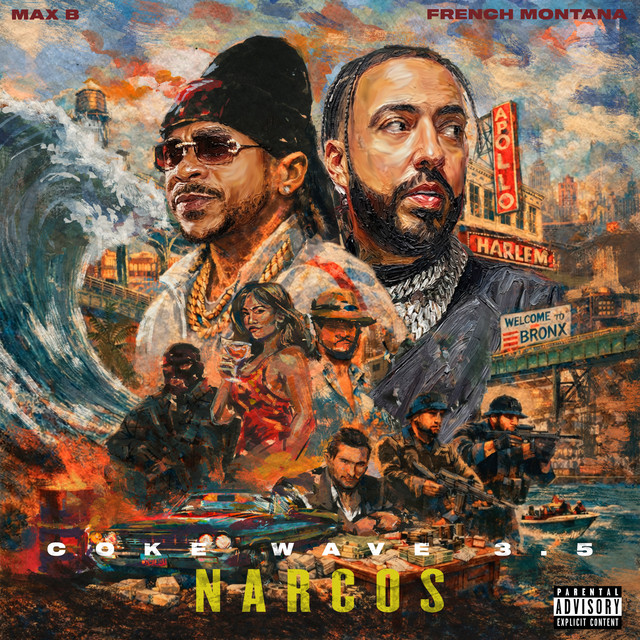
Released as the lead single from Coke Wave 3.5: Narcos on January 23, 2026, the track brings French Montana and Max B back into a shared lane of glossy New York rap. It was produced by Johnny Goldstein and Juko and built around a sample of KC and the Sunshine Band's classic disco hit. That context matters, because the song's emotional message is carried as much by its bounce as by its words.
The breakup is real, but the response is performative
The opening idea is blunt. After the other person leaves, life supposedly gets bigger: more money, more cars, more shows, more motion. In plain terms, they are saying the breakup did not break them; it upgraded them.
That is why the repeated line Ever since you left me
matters so much. It sets up a cause-and-effect story, but the song tells that story with exaggeration. Interpretation: they may be trying to convince themselves as much as the ex. The flex is the coping method.
The title phrase I went deaf on the bitch
is the song's most important metaphor. Paraphrased, it means they have stopped listening. The ex no longer gets emotional access, and criticism no longer lands. It is dismissive, hard, and meant to sound final.
How the verses build a wall of status
French Montana's verse piles up luxury details and city references. They mention expensive gifts, women from different boroughs, and a nonstop nightlife rhythm. These are not random boasts. They create a shield of image.
In other words, the song answers heartbreak with spectacle. If the relationship once gave them identity, now public success does. When they brag about turning dream girls into extras, the point is not romance. The point is emotional distance.
A short map of the song's logic
- Someone leaves.
- They claim success rises afterward.
- They stop listening to the pain.
- They replace intimacy with attention, luxury, and movement.
That is why even lines about desire feel detached. The repeated All I need is one night
reduces connection to a quick transaction. Interpretation: the song presents temporary pleasure as easier than real attachment.
The hook turns pain into a chant
The chorus is short, repetitive, and designed to stick. That matters because repetition can sound like confidence, but it can also sound defensive. The more they say it, the more they need it to be true.
Ever since you left meMore money, more carsI went deaf on the bitch
Those lines summarize the whole emotional engine of the track. First comes loss, then visible success, then emotional shutdown. The hook does not explore grief. It buries grief under rhythm.
This is where the song becomes interesting rather than merely flashy. If they were truly untouched, they would not need the slogan. The insistence suggests a bruise under the jewelry.
Why the sample changes the meaning
The production gives the song much of its charm. According to Popcast, Jon Caramanica called the sample choice conventional but effective, linking it to a classic New York crossover instinct. He was right to focus on the sample, because it reframes the lyrics.
Sampling "That's the Way (I Like It)" adds disco brightness and a party-floor pulse. That means the song never sits in heartbreak for long. The beat keeps pulling the story toward nightlife, where pain becomes energy and memory becomes motion.
Billboard also praised the track's bounce and club feel. That reception fits the music itself: at just over two minutes, it is built to hit fast, loop the hook, and leave an impression. The production does not ask for deep introspection. It asks for reaction.
French Montana, Max B, and the New York angle
Artist context sharpens the reading. French Montana has long worked in a lane of luxury rap, melodic hooks, and city-night atmosphere. Max B's presence adds wavey charisma and history. Together, they make the song feel like a celebration of persona as much as a statement about romance.
That is why some listeners hear the track less as a breakup record and more as a comeback record. The ex is almost a plot device. The real subject may be resilience through image: when hurt, they become louder, richer, and harder to reach.
The chart response supports the song's broad appeal. It reached No. 82 on the US Hot 100 and No. 1 on Rhythmic Airplay, showing that its hook-first design connected beyond core fans. A private wound was repackaged as public energy.
Final read: deafness as armor
So what is the best reading of this song? Interpretation: it is about emotional self-protection dressed up as triumph. They answer abandonment by becoming harder, flashier, and less available. The phrase more motion
matters because movement keeps them from stillness, and stillness might bring the hurt back.
That makes the track both fun and revealing. On the surface, it is a club-ready flex. Underneath, it hints that success can be used like earplugs.
Listeners can enjoy the bounce without missing the tension. The song says they are over it. The repetition suggests they are still working on it.
Disclaimer: This article offers interpretation based on the lyrics, production, and public context. Song meanings can vary by listener, and only the artists know every intention behind the track.







