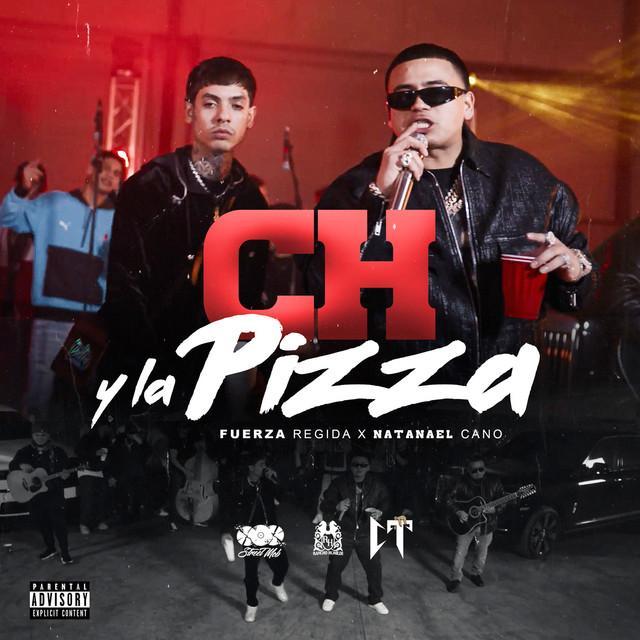
Ch y la Pizza by Fuerza Regida, Natanael Cano
They turned a swaggering street tale into a crossover moment. To many U.S. listeners trying to decode the meaning of Ch y la Pizza Fuerza Regida, Natanael Cano, the key is in the title’s wordplay and the song’s coded language. It’s a portrait of status, loyalty, and risk told in first person, powered by corrido tumbado grit and club-ready shine.
"Ch y la Pizza" - Fuerza Regida, Natanael Cano
Márquele sección
Ay
Loading lyrics...
Unable to load lyrics
We're unable to display the lyrics at this time. Please try again later.
Street Codes Behind a Catchy Hook
At its core, the song shows off wealth and access while nodding to a dangerous network. The chorus and refrains send signals: initials, slang, and short boasts designed for instant recall. When they say pura mafia de la calle
, the narrator claims proximity to power and a crew that moves with confidence.
Interpretation: The title, which sounds like a nickname tied to a cartel faction, sets the frame. The narrator isn’t just partying; they’re broadcasting allegiance and reach. That’s why a flex like el que puede, puede
matters: it marks a divide between spectators and insiders.
Watch the official Ch y la Pizza
music video
Who’s Speaking—and What They Want You to See
The voice is first person, boastful, and alert. They flash high-end nightlife—sushi rolls, a posh club—and fold in religious and spiritual tokens to hint at protection and fate. Then comes the reminder of force: cargo el cuernón
, a symbol of heavy firepower, implying readiness if things turn.
Interpretation: The narrator curates a dual image—glamour and menace. They want you to believe both can exist at once: velvet rope energy with battlefield nerves.
Coded Shoutouts, Coded Stakes
They lace the verses with initials and items that function like passwords. Here’s the most telling fragment:
"JGL, haciendo verdes La gorra bien puesta"
They’re pointing to a famous set of initials and the idea of the hat “worn right,” a shorthand for rank and composure. Together, those lines mean this circle moves money and respects hierarchy. The repetition of warnings—don’t betray, stay sharp—suggests that celebrations sit next to danger.
Symbols and Motifs Decoded
A few recurring images unlock the meaning of Ch y la Pizza Fuerza Regida, Natanael Cano:
- Santería and amulets: The song toys with protection and spiritual cover. A line like
No es cuestión de culto
frames it less as faith and more as armor. - Nightlife flex: Sushi, VIP rooms, designer looks show success and mobility.
- Hats (“la gorra”): A quick way to signal status and alignment.
- The “cuernón”: Not just a weapon image; it’s a metaphor for force and readiness.
- Initials (“JGL”) and wordplay in the title: The music gestures toward real-world names without saying them outright, a common corrido device that lets artists paint tense worlds in shorthand.
How the Sound Tightens the Story
Musically, the track blends corrido tumbado with sierreño and norteño textures. The arrangement leans on tuba for low-end heft and bright, percussive guitars up front. At just over two minutes, the structure is lean: quick intro, punchy verses, and a sticky hook that rides the groove.
Production-wise, the mix keeps vocals forward so every coded word lands. The beat’s propulsion mirrors the lyrics’ urgency—party pace with raised-guard posture. A banda version released later underscores how the hook survives arrangement changes: the melody and bravado do the heavy lifting.
Fame, Risk, and Reception
Released in late 2022 as part of a major album rollout, the song pushed Regional Mexican sounds deeper into mainstream charts, appearing on the Billboard Hot 100, the Global 200, and in the top 10 of Hot Latin Songs. A high-profile video rollout around a packed Los Angeles arena show amplified its reach.
Beyond numbers, the track taps a larger debate: When a corrido uses real initials and factions, is it storytelling or endorsement? Artists in this space often insist on narrative distance, even as they trade in recognizably real symbols. Notably, Cano has said he doesn’t practice Santería and initially resisted including that reference, highlighting how these symbols can spark disagreements inside the studio.
Recent coverage has also noted that corrido artists sometimes face security threats tied to lyrical content. That context doesn’t define the song, but it explains why its coded language, warnings about betrayal, and emphasis on loyalty hit with extra weight for fans who know the risks.
Alternate Readings That Also Fit
- Interpretation 1: It’s a celebration of a subculture—clothes, cars, clubs, and brotherhood—with danger as the tax you pay for access. The coded names function as branding.
- Interpretation 2: It’s performance art of power. The narrator inflates their legend, using symbols and initials to craft a myth that sells in a fast, 2:16 package.
The Line That Sticks
The hook isn’t just a catchphrase; it’s a door into a scene. Between brags and warnings, the song argues that status is fragile. One wrong move—one betrayal—and the party stops.
Takeaway
In the end, the song’s thrill comes from its tightrope walk: club lights against shadowed alleys, devotion crossed with bravado. That tension explains the viral pull—and why listeners keep debating what, exactly, the title dares them to hear.
Disclaimer: This is an interpretation based on public lyrics, artist context, and reporting. Meanings may vary for each listener.








