Why Future's "Colossal" Feels Bigger Than Brag Rap
The core idea behind the song
The meaning of Colossal Future starts with scale. The song is about growth that feels explosive, almost out of control. On the surface, Future presents money, movement, power, and survival. The hook keeps returning to gettin' colossal
, which turns success into something oversized and relentless.
"Colossal" - Future
I want it, I want it, I want it, I want it, I want it
Goddamn
Loading lyrics...
Unable to load lyrics
We're unable to display the lyrics at this time. Please try again later.
But the song is not simple victory music. They frame that growth through trap-house images, weapons, travel, drugs, and pressure. That means the expansion is not clean or safe. It is wealth built in danger, and the thrill of winning sits next to fear, paranoia, and moral damage.
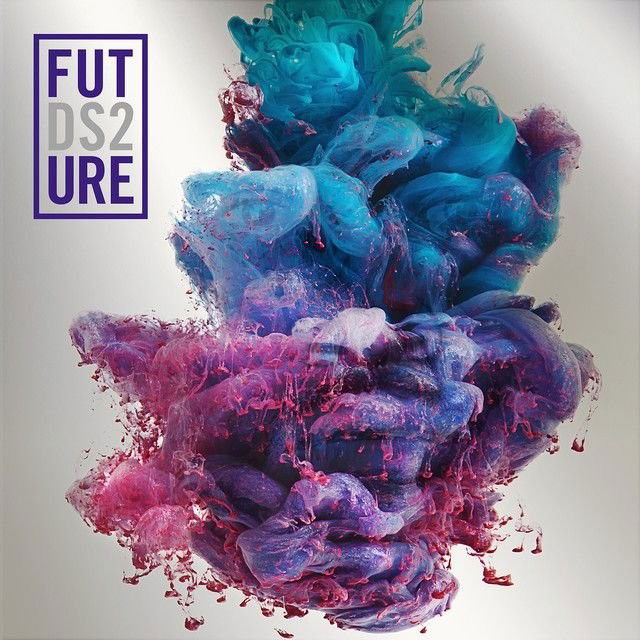
Future released "Colossal" on the 2015 mixtape 56 Nights, a key project in a major run that also included Beast Mode and DS2 that same year, according to Pitchfork and Rolling Stone. That context matters: this was a period when they sharpened their image as a rapper who could make street music sound both triumphant and haunted.

Watch the official Colossal
music video
More than a victory lap
The hook turns hustle into identity
The chorus sounds blunt, but it carries the whole song. When Future repeats trap out the traphouse
and ties it to love and money, they are not just describing a place. They are describing a full system of values. The trap is work, risk, routine, and identity all at once.
Interpretation: The song suggests that success has become inseparable from the conditions that created it. In other words, the speaker cannot talk about wealth without also talking about the machinery of survival.
This shit gettin' colossal
We'll trap out the traphouse
We love it, we gettin' that money
Even in this brief refrain, the emotional tension is clear. The words celebrate expansion, but the repetition feels compulsive. It sounds less like calm confidence and more like someone trying to keep pace with a life that keeps accelerating.
How the verses build that meaning
Hunger comes before luxury
Early in the song, Future stacks images of quantity: money, guns, bundles, travel, and crews. The language keeps multiplying. This creates a sense that there is never enough, even when there is already plenty.
A key line is I'm hungry, I admit it
. That short confession matters because it cuts through the bragging. The hunger is not gone. Money did not erase it. It may have even made it stronger.
That idea connects to the opening phrase about the luxury of passion. The song hints that desire itself is a privilege, but in this world desire is also a burden. They want more because they were shaped by scarcity.
Street realism undercuts the flexes
The most revealing moments are not the luxury details. They are the flashes of damage. Future mentions seeing dead bodies, evil, raids, and corruption. Near the end, they repeat money make a bitch evil
, which pushes the song beyond simple celebration.
Interpretation: That repeated line acts like a warning. Wealth brings power, but it also distorts people. The song does not reject money; it shows its cost.
This is why "Colossal" feels darker than a standard status anthem. The speaker enjoys what they earned, but they also sound shaped by violence and distrust. Success is real, yet it never becomes peace.
The sound of pressure and expansion
"Colossal" was created by Future and songwriter Xavier Dotson, according to the credits supplied here. The production style on 56 Nights is widely associated with Atlanta trap's cold, spacious design, with icy synths, heavy low end, and hypnotic repetition, a sound discussed in coverage from The Fader and Complex. Even without overcomplicated wording, listeners can hear how the beat supports the message.
The instrumental feels roomy, but not free. There is space in the mix, yet that space feels tense. The drums hit like routine labor, while the melodic layer sounds distant and numb. That contrast mirrors the lyrics: giant success, empty atmosphere.
Future's delivery also matters. They alternate between forceful statements and a blurred, almost exhausted melody. That vocal style helps explain the meaning of Colossal Future better than the words alone. They do not sound fully comfortable inside the dream they are describing.
Themes that hold the song together
1. Scale as obsession
Everything in the track grows: money, danger, travel, reputation. "Colossal" is not just big wealth. It is the need for constant expansion.
2. Survival turning into habit
The repeated trap imagery shows a life that no longer looks temporary. Hustle has become a worldview.
3. Luxury mixed with damage
Cars, watches, and flights appear beside raids, bodies, and moral decay. The song keeps those images in the same frame.
4. Success without emotional safety
Even at their richest, the speaker sounds guarded. There is pride, but not rest.
A useful way to read "Colossal"
For casual listeners, the song can sound like pure flexing. That reading is fair. Future absolutely leans into excess, status, and intimidation.
But a fuller reading sees a song about what happens when survival skills become the blueprint for success. Interpretation: the real emotional engine is not greed alone. It is adaptation. The speaker has learned to live inside escalation, so even achievement arrives with numbness and threat attached.
That is why the hook lands so hard. "Colossal" is exciting, but it is also uneasy. Bigger is not automatically better; it is simply bigger.
Final takeaway on the meaning of Colossal Future
The meaning of Colossal Future lies in that contradiction. The song celebrates getting larger than life, yet it also shows how that life can deform a person. Future turns trap success into something thrilling, repetitive, and unsettling at the same time.
Their message is not a clean moral lesson. It is a portrait of ambition shaped by poverty, risk, and appetite. That mix is what gives "Colossal" its force.
Disclaimer: This interpretation is based on the song's lyrics, performance, and release context. As with most music, some meanings remain open to listener interpretation.
Sources
- https://pitchfork.com/reviews/albums/20447-56-nights/
- https://www.rollingstone.com/music/music-album-reviews/review-future-still-rules-atlanta-and-much-of-hip-hop-on-ds2-105851/
- https://www.thefader.com/2015/03/23/future-56-nights-mixtape-review
- https://www.complex.com/music/a/insanul-ahmed/future-56-nights-review








