Why ‘You Know My Steez’ Hits So Hard
The meaning of You Know My Steez Gang Starr starts with identity. This is not just a rap performance. It is a statement of purpose from a duo that wanted to protect real hip-hop values while proving they still sounded sharp, modern, and dangerous.
"You Know My Steez" - Gang Starr
We had the right idea in the beginning
And and we just need to maintain our focus, and elevate
Loading lyrics...
Unable to load lyrics
We're unable to display the lyrics at this time. Please try again later.
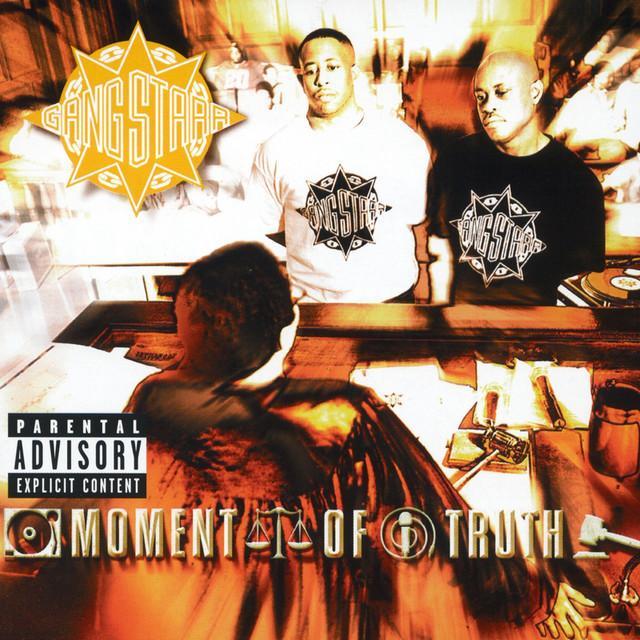
Released in 1997 as the lead single from Moment of Truth, the song marked Gang Starr’s return before the 1998 album arrived. According to available release information, it was issued on November 18, 1997, and written by Keith Elam and Christopher Martin, better known as Guru and DJ Premier. It also became a strong charting single, reaching No. 5 on Billboard’s Hot Rap Songs. Those facts help explain why the track felt like an event: it was both a comeback and a warning shot.
More Than Bragging, It’s a Mission Statement
On the surface, the song sounds like a classic battle rap record. Guru talks tough, dismisses weak rappers, and presents himself as elite. But the deeper point is bigger than ego.
They frame the rap scene as crowded with imitators, shortcuts, and empty hype. When Guru attacks clones
and calls out fake styles, he is not only insulting rivals. He is defending standards. In this song, skill matters, originality matters, and credibility matters.
That is why the title phrase matters so much. When the hook repeats You know my steez
, it means listeners should already recognize their style, code, and reputation. “Steez” here is more than fashion or swagger. It means artistic identity. It is the total package: voice, ethics, beats, technique, and authenticity.

Watch the official You Know My Steez
music video
The Opening Explains the Whole Song
Before the verses begin, the intro lays out Gang Starr’s philosophy. They explain that their formula has been updated with the times, but it is still Guru and Premier, and there is still always a message involved
. That short spoken section is crucial because it tells listeners how to hear the rest of the track.
“The rhyme style is elevated
The style of beats is elevated
But it’s still Guru and Premier”
That is the song in miniature. They are saying growth does not require selling out. They can evolve without losing their core identity.
Guru’s Voice: Calm, Cutting, and Certain
One reason the record still lands is Guru’s delivery. He does not sound frantic. He sounds sure. That calm control gives the lyrics extra force.
Throughout the verses, he uses images of combat, religion, and wisdom. He presents himself as teacher, soldier, healer, and judge. When he says he brings salvation
through rap, the line is boastful, but it also suggests music can correct what is broken in the culture.
Interpretation: Guru seems to position rap as moral work. He is not only trying to out-rhyme people. He is trying to clean up the space around him. That is why they speak about “wackness” almost like a disease spreading through the scene.
He also balances aggression with discipline. Even when the lyrics threaten rivals, the larger argument is that weak art harms hip-hop. So their attack on bad MCs doubles as a defense of craft.
DJ Premier’s Beat Turns the Message Into Atmosphere
The production is a huge part of the meaning of You Know My Steez Gang Starr. DJ Premier builds a beat that feels crooked, tense, and heavy, which matches Guru’s warnings. The drums hit hard, but the track also has a murky soul underneath it.
The single is known to sample Joe Simon’s “Drowning in the Sea of Love” along with pieces from artists including Grandmaster Flash, Public Enemy, Das EFX, and GZA with Method Man. That layering matters. Premier is making a record about real hip-hop by literally building it out of hip-hop memory.
In a quoted explanation preserved in public sources, Premier said he wanted to do his own interpretation of the Grandmaster Flash sample after hearing Showbiz use it. That helps explain the song’s sound: it is rooted in tradition, but not trapped by it.
Interpretation: The beat acts like proof of concept. Gang Starr are saying they can honor the past and still sound fresh. The production makes that argument without needing to say it directly.
Why the Hook Feels So Defiant
The chorus is simple, but that simplicity is the point. Repeating You know my steez
turns the phrase into a challenge. If listeners know their style, then Gang Starr do not need outside approval.
That confidence matters in a song full of criticism. Instead of sounding defensive, they sound settled. Their identity is already formed. The rest of the industry can chase trends.
The hook also creates unity between Guru and Premier. Even though Guru is the one rapping, the song constantly reminds listeners this is a duo statement. The intro, scratches, and beat all reinforce that shared signature.
Context: A Return at a Key Moment
Gang Starr released this song in late 1997, right before Moment of Truth, one of their most respected albums. In that context, the single sounds like a reintroduction and a reassertion of rank.
Reviews at the time noticed that toughness. The Los Angeles Times called it barrel-chested bragging
, while RapReviews praised the unusual, hard-thumping beat. Those reactions fit the record well. It is brash, but its confidence is earned through precision.
The video also adds another layer. Public descriptions note that it was directed by Terry Heller and drew on the look of THX 1138, placing the duo in an underground, controlled city. That visual setting fits the song’s larger idea: staying human and original in a system that produces copies.
The Lasting Meaning of the Song
So what is the meaning of You Know My Steez Gang Starr? At its core, it is about artistic identity under pressure. Gang Starr argue that true style is not a trend, and real hip-hop comes from skill, integrity, and self-knowledge.
Interpretation: The song is part warning, part self-portrait. It tells weak rappers to step aside, but it also tells fans what Gang Starr stood for: evolution without compromise.
That is why the track still feels alive. It is not only a 1997 rap single. It is a blueprint for how artists can adapt, compete, and stay honest at the same time.
Disclaimer: This article offers interpretation based on the lyrics, recording context, and public commentary. Song meaning can remain open to different listener readings.







