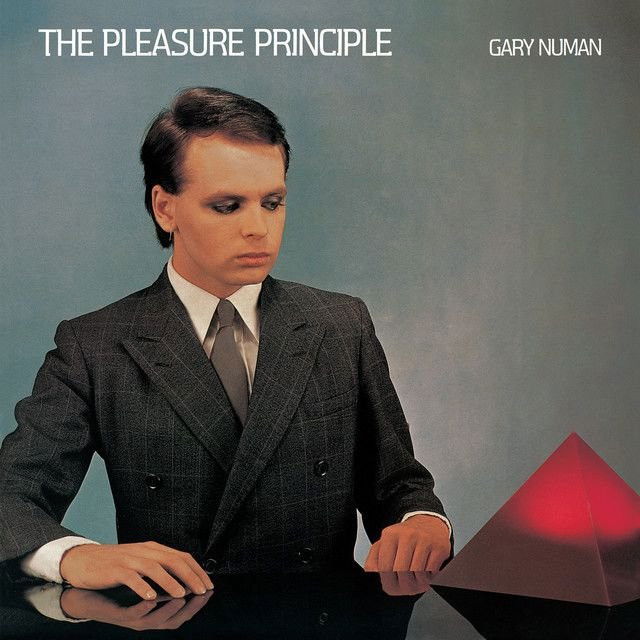
Cars by Gary Numan
The meaning of Cars Gary Numan starts with a simple image: a person sitting inside a vehicle, feeling safer there than anywhere else. But the song is not really about traffic or road culture. It is about distance, control, and the strange comfort of hiding inside technology.
"Cars" - Gary Numan
I feel safest of all
I can lock all my doors
Loading lyrics...
Unable to load lyrics
We're unable to display the lyrics at this time. Please try again later.
Gary Numan released Cars as his first solo single on August 24, 1979, from The Pleasure Principle. It became a major hit, reaching No. 1 in the UK and No. 9 on the US Billboard Hot 100. Those facts help explain why the song lasted, but they do not explain why it still feels modern. The reason is its emotional idea: the car as a shield.
A Small Space That Feels Safe
On the surface, the lyrics are repetitive and spare. That simplicity is the point. The narrator keeps returning to the same enclosed setting, almost like they are trying to calm themselves by repeating a rule. When the song says Here in my car
and I feel safest of all
, it presents the car as more than a machine. It becomes a private room with locks, walls, and control.
That idea fits Gary Numan's own comments. He explained that the song grew from a real incident in London when people approached his car aggressively and he locked himself inside to escape. Later, he described the car as a kind of protective tank in modern society. Factually, that origin has been widely documented in sources such as Songfacts and Wikipedia.
Interpretation: The lyric is not celebrating freedom. It is describing relief. The narrator is less excited about driving than grateful to be sealed away from others.
Watch the official Cars
music video
Isolation Hiding Inside Convenience
The key line in the song may be I can lock all my doors
. It sounds practical, but emotionally it is loaded. A locked car door means safety, but it also means separation. The same object that protects the narrator also cuts them off.
That tension is what gives the song its depth. The narrator can receive messages, hear others, and maybe even invite someone in, but only on controlled terms. The line I can only receive
suggests limited contact rather than full connection. They can listen, but they do not fully join the world outside.
Here in my car
Where the image breaks down
Will you visit me please
If I open my door
This is the song's most revealing moment. It hints that the narrator wants contact, yet fears it. They ask for a visit, but only after stressing the barrier. Even opening the door feels like a risk.
The Voice Sounds Cool, but the Feeling Is Not
One reason the song remains powerful is the gap between its sound and its emotion. Musically, Cars is sleek, precise, and machine-like. The recording is built around bass, drums, and analogue synth textures, including Minimoog and Polymoog parts. It famously avoids guitar on The Pleasure Principle, a choice Numan later said was partly a response to claims that electronic music was weak or cold.
That production matters to the song's meaning. The synth riff feels efficient and controlled, almost like a machine running perfectly. Numan's vocal is calm and nearly expressionless. According to documented descriptions of the recording, there is also no conventional chorus, and the lyric ends early, leaving the instrumental pattern to keep driving the mood.
Interpretation: The cool sound is not empty style. It mirrors emotional shutdown. The music behaves the way the narrator behaves: steady, guarded, and hard to break into.
Why the Car Works as a Symbol
Cars usually symbolize freedom in pop music. In this song, the symbol flips. The car is not about adventure; it is about withdrawal.
That is why the phrase It keeps me stable
feels so important. Stability sounds healthy, but here it may also imply fragility. The narrator depends on the enclosure to stay balanced. By the end, when they think about leaving, nothing seems right
. Outside the shell, the world feels uncertain.
This connects to a broader reading shared by many critics: the song captures how modern people use objects and systems to create emotional distance. A car is useful, ordinary, and personal. That makes it the perfect symbol for a life that feels protected but disconnected.
Why Americans Still Connect With It
For a US audience, part of the song's staying power is obvious: car culture is woven into everyday life. But the deeper reason is that the song now feels bigger than cars. It can also describe phones, screens, headphones, and any private bubble people build around themselves.
That helps explain the song's long afterlife in media, covers, and advertising. It also explains why its message still lands decades after 1979. Even when listeners do not know the backstory, they understand the feeling of wanting contact and fearing it at the same time.
The Lasting Meaning of Cars Gary Numan
The meaning of Cars Gary Numan is ultimately about protection with a cost. The narrator finds comfort inside a machine, but that comfort depends on staying apart from other people. The song turns a familiar object into a symbol of modern loneliness.
That is why Cars still sounds sharp today. It understands that safety and isolation can look almost identical from the inside.
Disclaimer: This interpretation separates documented facts about the song's release, recording, and Gary Numan's comments from critical reading of the lyrics. Meaning in music remains open to listener interpretation.









