Why Gary Numan's "M.E." Feels So Empty
The meaning of M.E, Gary Numan comes through fast: this is a song about being the last one left, or feeling that way. It is cold, brief, and oddly intimate. Even when the lyrics hint at disaster, the real sting is emotional. The speaker is not just alone in a ruined world; they seem cut off from feeling itself.
"M.E," - Gary Numan
We're all so run down
I'd call it my death but I'll only fade away
Loading lyrics...
Unable to load lyrics
We're unable to display the lyrics at this time. Please try again later.
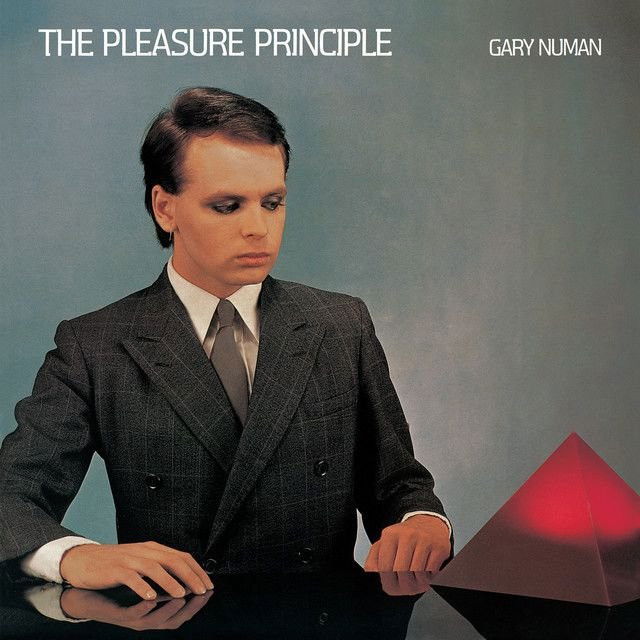
Gary Numan released "M.E." on The Pleasure Principle in 1979, a key album in synth-pop and new wave history. That record is known for its heavy use of synthesizers and its choice to avoid guitars, helping create the sleek, mechanical sound Numan became famous for. Those broad facts are well documented in coverage of the album and Numan's rise in the late 1970s.[1][2]
A lonely song dressed like science fiction
On the surface, the lyric sounds almost post-apocalyptic. The opening idea, with the speaker saying I eat dust
, suggests a dead landscape and a worn-down body. Soon after, they admit we're all so run down
, which widens the problem from one person to everyone.
But the song does not spend much time describing the world. Instead, it keeps returning to the same emotional fact: now there is only M.E.
That repeated phrase matters because it can mean two things at once. It can mean one physical survivor. It can also mean a person trapped inside the self, unable to reach anyone else.
Interpretation: That double meaning is the heart of the song. The setting may be futuristic, but the feeling is painfully human.

Watch the official M.E,
music video
From "we" to one voice
One of the smartest things in the writing is how the point of view narrows. The song begins with shared failure: we were so sure
, then we were so wrong
. That shift tells a whole story in a few words. There was confidence, then collapse.
After that, the speaker is left to sort through what remains. They cannot even frame the end in a dramatic way. They say it would be a kind of death, but then correct it into fading. That choice suggests something slower and sadder than destruction. It is not a fiery ending. It is erasure.
And I'd hate to fade alone
Now there's only M.E.
That small turn is devastating because it takes the song from world-building to private fear. The worst part is not just ending. It is ending without witness, company, or comfort.
The hook is small, but the idea is huge
The chorus-like refrain, only M.E.
, is simple enough to sound almost blank. That blankness is the point. Numan often wrote in a detached style, and his vocal delivery tends to avoid big emotional release. In this song, that restraint makes the words feel more final.
Interpretation: The refrain can be heard as survival without meaning. If one person remains, there is nobody left to confirm their identity, remember the past, or share pain. The self becomes a closed loop.
That reading makes the title clever. "M.E." looks clinical, even bureaucratic, like a file label or machine code. Yet it points to the oldest fear there is: being left alone with the self.
A machine-cold sound for a human fear
Part of the meaning of M.E, Gary Numan lives in the production. The Pleasure Principle is famous for icy synthesizer textures, tight rhythms, and an electronic surface that feels modern even now.[1][3] In "M.E.," that sound does not just decorate the lyric. It deepens it.
The music feels stripped down and spacious, which leaves the singer exposed. There is motion in the synths, but not much warmth. The track seems to hover rather than breathe. That gives the song an uncanny quality, as if the world is still running after human connection has ended.
Numan's vocal style also matters. They deliver lines with cool control rather than obvious panic. That can make the numbness feel chosen, or at least practiced.
The line that changes everything
Near the end comes the song's sharpest emotional clue: I turned off the pain
. The speaker compares emotional shutdown to switching someone off. That is brutal because it sounds deliberate.
This is where the song opens into another reading. Maybe the loneliness is not only external. Maybe the speaker helped create it by withdrawing, disconnecting, or refusing care.
Interpretation: In that version, "M.E." is about self-protection taken too far. To avoid pain, the speaker turns off feeling, and in doing so loses everyone else too.
The tiny spoken moment, This thing on?
, adds to that emptiness. It sounds like a test in a room with no audience. It is darkly funny, but it also suggests a final failed attempt at contact.
Why the song still lands
"M.E." lasts only a short time, but it leaves a large afterimage. It captures a fear that still feels current in the United States and beyond: disconnection in a world full of systems, screens, and noise. People can be surrounded by signals and still feel unreachable.
That is why the song keeps working. Its futuristic shell has aged well because its emotional center never depended on a specific era. The listener does not need to imagine the end of civilization to understand it. They only need to know what it feels like to go numb, lose faith, or feel unseen.
In the end, the meaning of M.E, Gary Numan is less about science fiction than spiritual emptiness. It imagines a final survivor, but it also asks a harder question: if someone shuts off pain, what else do they shut off with it?
Disclaimer: This interpretation is based on the song's lyrics, sound, and Gary Numan's artistic context. Like most great songs, "M.E." can support more than one reading.







