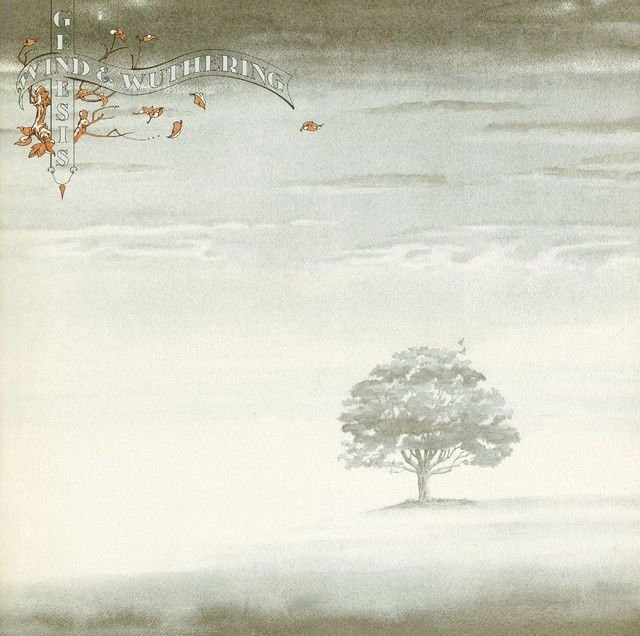
Afterglow by Genesis
Why This Song Still Feels So Big
The meaning of Afterglow Genesis centers on loss, longing, and the shock that follows emotional separation. The song does not describe a detailed plot. Instead, it drops the listener into the feeling of standing in a familiar world that suddenly no longer feels like home.
"Afterglow" - Genesis
I must find a new home.
The ways and holes that used to give me shelter,
Loading lyrics...
Unable to load lyrics
We're unable to display the lyrics at this time. Please try again later.
Written by Tony Banks and released on Wind & Wuthering in 1976, “Afterglow” arrived during a key transition for Genesis, after Peter Gabriel had left and before Steve Hackett would soon depart. Basic album facts and credits are documented by Genesis’ official discography and AllMusic. That context matters because the song sounds like a band wrestling with change while still reaching for grandeur.

Watch the official Afterglow
music video
The Core Meaning: Grief in a Changed World
At its heart, the song is about someone trying to live after a deep loss. The missing person is never clearly identified. That is why the song works so well: the absence could be a lover, a friend, a spiritual guide, or even a lost version of life itself.
Early lines present dislocation. The singer sees the old places that once gave comfort, but they no longer protect them. When they mention new home
, the idea is not really about moving houses. It points to emotional exile. They are searching for a way to exist in a world that feels emptied out.
The repeated desire to search everywhere just to reconnect shows how total that loss has become. The short phrase hear your call
suggests more than simple conversation. It feels like a plea for proof that the bond still exists somewhere.
A Voice Trapped Between Memory and Morning
How the Images Build the Mood
Banks uses simple but strong images: dust, shelter, roads, sun, pillow, night. None of them are flashy. Together, though, they create a life seen through grief.
Dust suggests neglect and stillness. Shelter suggests safety that has failed. Roads suggest movement without certainty. And the sunlight on the pillow brings one of the song’s sharpest contrasts: life keeps beginning again each morning, but the singer cannot emotionally join it.
That is why the image of the warmth of new life
hurts rather than comforts. They can see renewal, but they cannot feel restored.
The Emotional Timeline
The song’s emotional movement is easy to follow:
- They realize the old world no longer holds them.
- They search for the lost person or lost meaning.
- They remember flashes of warmth and sound.
- They admit total spiritual exhaustion.
- They return to longing, now even more intensely.
This circular shape mirrors grief itself. People do not simply move on in a straight line. They revisit memory, confusion, surrender, and yearning again and again.
What the Chorus Gives the Song
The refrain is where the song reaches its emotional center. Instead of offering resolution, it widens the emptiness. The speaker would go anywhere to reconnect, even into unfamiliar terrain. That tells the listener this is not mild sadness. It is devotion surviving after certainty has died.
One of the song’s most striking ideas comes when the narrator says meaning itself has slipped away. The phrase world of none
expresses that collapse in a stark way. They are not just lonely; they are living in a reality that feels stripped of purpose.
For now I've lost everything,I give to you my soul.
Those two lines are the song’s clearest emotional surrender. They suggest that grief has become so large that identity and belief are being handed over to the missing figure.
Sound as Meaning: Why “Afterglow” Feels Huge
Part of the meaning of Afterglow Genesis comes from the arrangement, not just the words. Genesis were known in the 1970s for rich keyboards, dramatic pacing, and emotionally scaled-up endings, and “Afterglow” is one of their best examples. Album-era personnel and instrumentation are covered by Genesis’ official site and ProgArchives.
Banks’ keyboards create the glowing backdrop implied by the title. The chords do not rush. They expand. Phil Collins’ vocal is direct and aching, while the drums and guitar enter in ways that make the song feel like it is lifting itself through pain rather than escaping it.
That matters because the title “Afterglow” suggests the light left behind after something bright has faded. The production matches that idea. The song does not sound like the event itself; it sounds like the emotional radiance and emptiness that remain afterward.
Two Strong Interpretations
Interpretation 1: A Song About Personal Loss
The most direct reading is that the narrator is mourning a person. The repeated need to reconnect, the confession I miss you more
, and the loss of emotional shelter all support that reading. In this version, the song captures grief at its rawest: ordinary things still exist, but they no longer feel usable.
Interpretation 2: A Song About Spiritual Crisis
Another plausible reading is that the missing “you” is not a person at all. It may be faith, certainty, or a sense of meaning. The line about old beliefs escaping them makes this interpretation especially convincing. In that sense, the song becomes a portrait of spiritual emptiness after a collapse in belief.
Both readings can be true at once. Great Genesis songs often leave room for the personal and the cosmic to overlap.
Why It Endures With Listeners
“Afterglow” remains one of Genesis’ most beloved late-1970s songs because it translates private pain into something communal. It is specific enough to hurt and open enough to fit many lives. Fans have long treated it as one of the band’s great emotional finales, a reputation reflected in live history and fan commentary documented across Setlist.fm and AllMusic.
For listeners in the United States, where Genesis are often remembered for their later pop era, “Afterglow” is also a reminder of how strong they were at emotional progressive rock: grand, wounded, and deeply human.
Final Thought on the Song’s Lasting Light
The meaning of Afterglow Genesis is less about one literal story than about what loss does to perception. Familiar objects turn strange. Morning light feels distant. The self keeps reaching for a voice that may not return.
That is why the song lasts. It understands that after something precious ends, people do not just lose that person or belief. They also lose the world that existed around it.
Disclaimer: This interpretation is based on the lyrics, recorded performance, and available song context. As with many Genesis songs, listeners may hear different meanings in its ambiguity.







