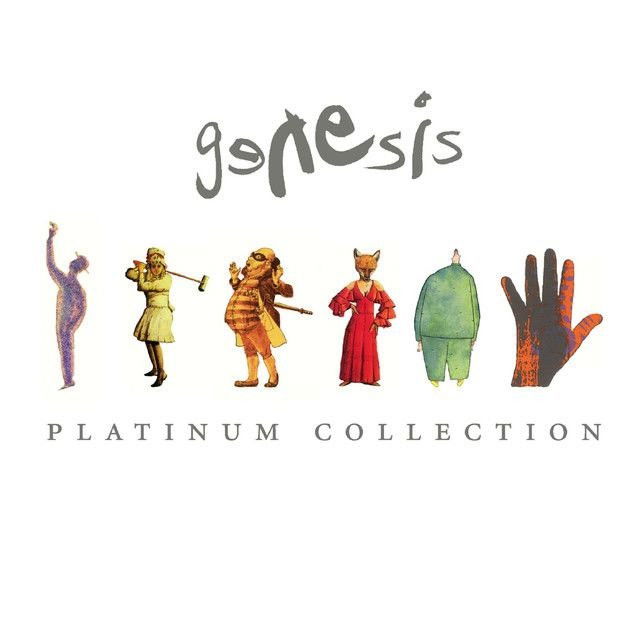
Behind the Lines by Genesis
Where the song’s tension really lives
The meaning of Behind the Lines Genesis starts with a strange emotional split: one person wants to help, but the connection keeps slipping away. The narrator sounds loyal, urgent, and almost summoned into someone else’s crisis. They hold on to signs, memories, and a sense of fate, yet the person they are trying to reach remains distant.
"Behind the Lines" - Genesis
I saw your picture, heard you call my name
There was something strange, I could not look away
Loading lyrics...
Unable to load lyrics
We're unable to display the lyrics at this time. Please try again later.
That makes the song feel both personal and dramatic. It is not just about romance in a simple sense. It is about trying to cross an invisible barrier between two people, then realizing that love, willpower, or devotion may not be enough.
Watch the official Behind the Lines
music video
A song caught between destiny and choice
One key phrase, written in the book
, gives the song its biggest idea. In plain terms, the lyric suggests that events may already be mapped out. The narrator seems to believe there is a pattern larger than either person can escape.
Interpretation: this “book” can be heard in a few ways:
- fate or destiny
- memory, as if the story has happened before
- a moral record, where truth is already known
That image matters because it changes the emotional stakes. The narrator is not only reacting to a breakup or a conflict. They seem to be fighting against something fixed, which makes their plea feel more desperate.
The speaker sounds close, but cannot reach them
The song opens with physical and emotional details: a book in hand, a picture, a voice, and a pull toward another person. Those images suggest recognition and urgency. The narrator wants to go where that person is, almost as if they have been called there.
Soon after, the lyrics turn protective. They promise support and insist they are not afraid. The spirit of lines like right by your side
and give me the strength
is clear: they want to stand with this person against outside pressure.
But then the emotional weather changes. The narrator says they are looking right through you
and senses that the other person’s heart is empty. That is the song’s sharpest twist. The problem is not just danger from the outside. The deeper wound is that the person they love or defend may already be gone in some inward sense.
A quick map of the story
The narrative unfolds in clear stages:
- The narrator feels drawn toward someone through memory or vision.
- They offer loyalty and help, believing they can stand beside them.
- They discover emotional emptiness and betrayal.
- They start losing control as the connection fades.
- They return to the idea that the outcome may already be set.
That structure gives the song a cinematic shape. It starts as a rescue, turns into confrontation, and ends in uncertainty.
Why the song feels so urgent on Duke
Factually, “Behind the Lines” opened Genesis’s 1980 album Duke, written by Tony Banks, Phil Collins, and Mike Rutherford, with production credited to David Hentschel and Genesis, according to the research summary based on Wikipedia. It was also part of the larger “Duke suite” before the band split that sequence across the album.
That context helps explain the song’s scale. On Duke, it functions like an entrance into a bigger emotional world. The Genesis version has a long instrumental opening and a dramatic art-rock/progressive-rock arrangement, which gives the lyrics a sense of motion before the story is even fully stated.
The band lineup on the recording was the classic trio format:
- Tony Banks on keyboards
- Phil Collins on drums, percussion, and lead vocal
- Mike Rutherford on guitar and bass
Banks’s keyboards and Rutherford’s rhythmic drive make the track feel grand and forward-moving. Collins’s vocal performance adds urgency without overplaying the emotion.
How the music carries the meaning
The sound of the Genesis version matters as much as the words. The long opening feels like a build toward revelation. By the time the vocal enters, the listener already senses momentum, tension, and risk.
When the narrator reaches the song’s breaking point, the arrangement supports it. The emotional content behind phrases like too late to change
and slipping away
lands harder because the music does not relax. It keeps pushing forward, as if the song itself cannot stop the outcome.
Interpretation: this is why the track often feels like a struggle between determination and inevitability. The narrator keeps reaching out, but the arrangement suggests they are being carried by forces larger than themselves.
The Phil Collins remake proves the song’s flexibility
The song’s meaning also becomes clearer when listeners compare versions. Phil Collins re-recorded “Behind the Lines” for Face Value in 1981, turning it into a shorter, groove-based track. The research summary notes his comment that running the tape differently made “this other song” appear, and that the remake used a disco/R&B style with the Phenix Horns.
That solo version changes the mood, but not the core tension. It shows that beneath the progressive-rock structure was a strong emotional song about longing, pursuit, and disconnection.
Two strong ways to read it
Interpretation 1: It is about trying to save a relationship after the other person has emotionally checked out.
Interpretation 2: It is about image versus truth—someone seen in a picture, a role, or a script, while their real self disappears behind the surface.
Both readings fit the language of vision, books, empty hearts, and fading contact.
The lasting takeaway
The meaning of Behind the Lines Genesis lies in that painful mix of loyalty and helplessness. The narrator believes in closeness, but every new realization shows distance instead.
That is why the song still hits hard: it captures the moment when devotion meets fate and finds a wall.
Disclaimer: This interpretation is based on the lyrics, recording context, and documented release history. As with many Genesis songs, some meanings remain open to listener interpretation.







