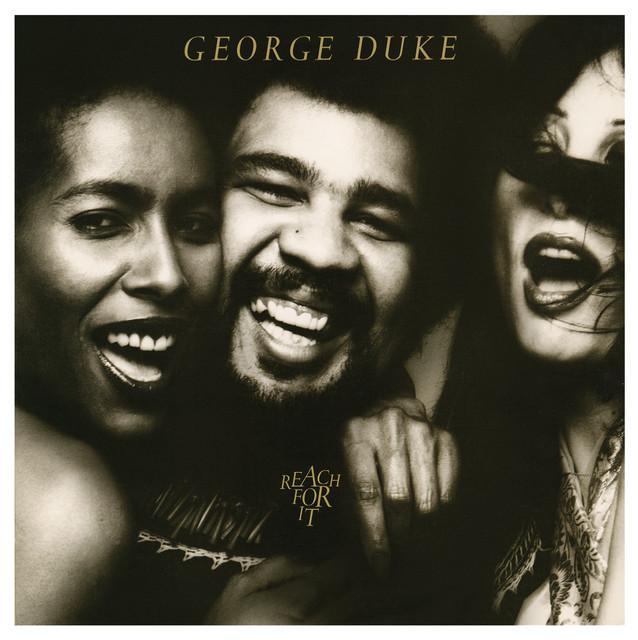
Reach for It by George Duke
Why This Funk Hit Still Feels Physical
The meaning of Reach for It George Duke starts with a simple idea: this is a song about surrendering to groove. Rather than telling a detailed story, George Duke builds a scene where rhythm takes over the body and the dance floor becomes the whole point.
"Reach for It" - George Duke
Into some funk
Dance
Loading lyrics...
Unable to load lyrics
We're unable to display the lyrics at this time. Please try again later.
Released on Duke’s 1977 album Reach for It, the track helped push his jazz-funk style into a wider pop and R&B audience. According to chart data collected in the album’s reference history, the single reached No. 2 on the U.S. Hot Soul Singles chart, while the album hit No. 4 on the Top Soul LPs chart and later earned Gold certification. Those facts matter because they show the song was not just admired by musicians; it connected with mainstream listeners too.
Watch the official Reach for It
music video
The Core Meaning: Give In to Joy
At its heart, the song celebrates movement, release, and shared energy. The lyrics do not ask listeners to think hard. They ask them to feel hard.
When the song says into some funk
and dance
, it frames funk as a place to enter, almost like a current or state of mind. That idea grows through the rest of the lyric. Once the groove starts, resisting it is useless.
This is clearest when the singer warns listeners not to fight the rhythm. The phrase better not try to fight it
presents the beat as something stronger than individual control. The song’s meaning is not about romance, heartbreak, or social protest. It is about musical force and the pleasure of giving in to it.
How the Lyrics Turn Music Into Motion
The body is the real subject
Much of the lyric is built around physical reactions. The beat does not stay in the ears; it moves into the hips, arms, and nerves. A line like the rip is strong and mighty
gives the groove the power of a wave. That image helps explain why the song feels bigger than a standard dance command.
Then the lyric gets more playful and detailed. Words about slipping, dipping, and a tingling hipbone make dancing sound automatic. The body reacts before the mind catches up.
it'll make you slip
it'll make you dip
That short moment sums up the whole track. The groove acts on the listener. They do not perform dance moves so much as get carried into them.
The language is loose on purpose
The writing uses slangy, elastic phrases like rollarmotion
and odd combinations such as potion and notion. These lines are less about literal meaning than sensation. They sound good in the mouth and mimic the circular, rolling feel of funk rhythm.
Interpretation: This playful wording suggests that Duke wants language to behave like percussion. The words bounce, snap, and slide the way the instruments do.
George Duke’s Context Helps Explain the Song
George Duke was already known as a gifted keyboardist who moved between jazz, fusion, R&B, and funk. By 1977, he had sharpened a style that could satisfy serious musicians and still fill a dance floor. On the Reach for It album, he is credited as producer, and the personnel included strong players such as Byron Miller on bass, Leon “Ndugu” Chancler on drums, and Charles “Icarus” Johnson on guitar and vocals on the title track.
That background matters for interpretation. Duke was not dabbling in funk from the outside. He was shaping a polished jazz-funk sound from the inside, using technical skill in service of feel.
The song’s co-writers—George Duke, Leon Chancler, Charles Johnson, and Byron Miller—also reflect that band-centered approach. The track sounds like musicians building a groove together, not just one singer delivering a message.
How the Sound Carries the Meaning
The groove is the argument
The production is essential to the meaning of “Reach for It.” The bass is elastic and forward, the drums are tight and propulsive, and the keyboards add bright color without softening the edge. Everything is designed to keep momentum alive.
Because the lyric is short and repetitive, the arrangement has to do much of the storytelling. It does. Each part reinforces the idea that funk is something physical, communal, and hard to resist.
A few elements stand out:
- Bass: It gives the track its bounce and body.
- Drums and percussion: They create the push that makes the song feel unavoidable.
- Keyboards: Duke’s signature sound adds sparkle and personality.
- Call-and-response energy: The vocals make the song feel like a live room, not a private confession.
Interpretation: The music itself is the “reach.” It reaches into the listener and pulls out movement.
A Song About More Than Dancing?
A basic reading says the song is simply a party anthem. That reading is fair and strongly supported by the lyric.
But there is a second possible meaning. Interpretation: “Reach for It” can also be heard as a statement of artistic freedom. Funk, in this reading, is not just dance music. It is an invitation to stop holding back. The repeated commands push listeners to embrace pleasure, confidence, and self-expression.
That wider reading fits Duke’s crossover moment in the late 1970s. He was bringing jazz skill into a more popular format without losing musical depth. In that sense, the song models boldness: reach for the groove, reach for the crowd, reach for more.
Why the Song Endures
Part of the reason the track still works is its lack of clutter. It does not overexplain itself. It gives listeners a groove, a few vivid lines, and a strong mood. That directness keeps it fresh.
It also captures something central to great funk: the idea that rhythm can feel larger than language. Duke turns that into a full musical experience. The song is about dancing, yes, but also about what dancing represents—release, connection, and the joy of letting the body answer the band.
For many listeners, that is the lasting meaning of Reach for It George Duke. It is a reminder that some songs are not meant to be decoded like puzzles. They are meant to be entered, felt, and lived in for a few minutes.
Disclaimer: This interpretation is based on the song’s lyrics, sound, and historical context. As with any song meaning article, some readings are interpretive rather than confirmed by the artist directly.







