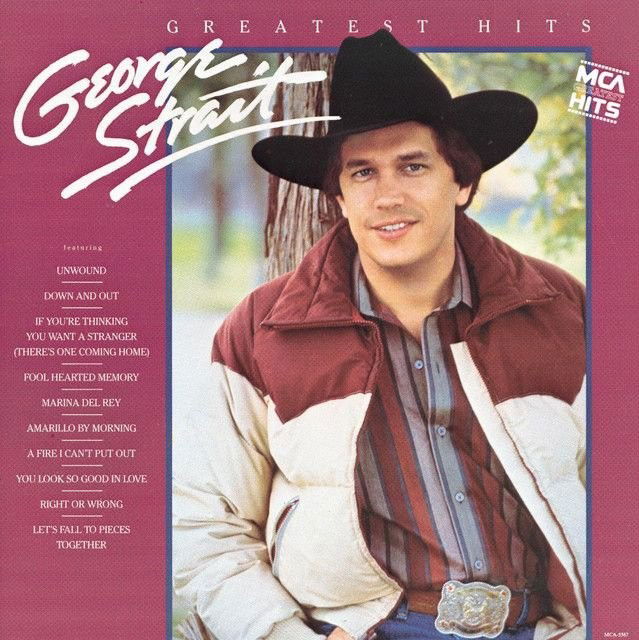
Fool Hearted Memory by George Strait
A barroom heartbreak that still stings
The meaning of Fool Hearted Memory George Strait centers on a simple but painful truth: some people do not lose love all at once. They keep returning to it, even when they know the relationship is over.
"Fool Hearted Memory" - George Strait
Memories and wine
She's on his mind once again
Loading lyrics...
Unable to load lyrics
We're unable to display the lyrics at this time. Please try again later.
In this song, the main character is not fighting for the woman to come back. That part is already finished. Instead, they are trapped in the habit of remembering. The heart keeps replaying the past, while the mind should know better. That gap between what they feel and what they should accept is the whole drama of the song.
Released in 1982 as the lead single from Strait from the Heart, it became George Strait's first No. 1 country hit, a major turning point in their rise. Songfacts also notes it helped launch the long run of chart-toppers that defined Strait's career.

Watch the official Fool Hearted Memory
music video
The story unfolds in small, familiar details
One reason the song works so well is that it stays grounded in ordinary images. The character is surrounded by cheap drinks, pocket change, and the same bar routine. Phrases like nickels and dimes
and memories and wine
show a life reduced to small costs and old pain.
The setting matters. This is not a grand breakup ballad filled with dramatic speeches. It is a quiet portrait of somebody sitting in a honky-tonk, running through the same feelings night after night. The song suggests that heartbreak can look less like a breakdown and more like repetition.
A man stuck in ritual
The verses build that pattern carefully. They return to the same stool, the same drink, and the same songs. Even the line same old fool
paints them as someone who knows they are stuck but cannot stop.
Interpretation: the bar is more than a location. It becomes a machine for memory. Every object in the room helps bring the lost relationship back to life.
What the chorus really means
The chorus gives the song its emotional core. When it says fool hearted memory
, it turns memory into an enemy and a weakness at the same time. The problem is not only that they remember. The problem is that memory lies.
It keeps them from fully seeing reality. The song makes clear that she is gone, yet the heart behaves as if hope is still sitting nearby. That is why the hook is so strong: it describes memory as something foolish because it keeps feeding the fantasy instead of accepting the facts.
It won't let him see
that she walked out the door
Those lines sum up the whole emotional conflict. The breakup happened already. The real wound is that the mind has not caught up with the event.
Sound that deepens the sadness
The production helps explain why the song hits so hard. It is a classic blend of neotraditional country and honky-tonk, with a steady rhythm, clear fiddle, and uncluttered arrangement. According to Songfacts, the song was written by Byron Hill and Blake Mevis, and Mevis also produced it.
Nothing in the track feels oversized. That restraint is important. The fiddle adds ache without turning the song melodramatic, and the beat moves like a person going through a familiar routine. The arrangement sounds lived-in, almost like the room the character is sitting in.
Critics have often pointed to Strait's control on the recording. Kevin John Coyne of Country Universe praised how confidently and sadly they handled the song, especially without oversinging. That fits the lyric perfectly. A person nursing old heartbreak often does not shout it; they sit with it.
George Strait's early-career context matters
This song landed at a key moment. Strait was still early in their recording career, and "Fool Hearted Memory" gave them a first chart-topping single. That success mattered because it proved their traditional country style could break through at a time when country was pulling in several directions.
The song also appeared in the 1982 film The Soldier, where Strait performed it in a bar scene. That detail is more than trivia. It shows how naturally the song fits the honky-tonk world it describes. The character, the room, and the sound all belong together.
Why the song felt so authentic
Part of Strait's appeal has always been emotional economy. They do not crowd a lyric with too much explanation. Here, that style lets the listener fill in the blanks. The song never needs a full backstory for the lost romance. It only needs a few signs: the old love, the jukebox, the waiting.
Interpretation: that sparseness makes the song feel universal. Listeners can place their own failed relationship inside it.
Themes: memory, denial, and self-punishment
At its heart, the song is about three linked ideas:
- Memory as a trap: the past keeps replaying itself.
- Denial after loss: the character cannot fully accept she is gone.
- Self-punishment: they return nightly to the very place that hurts them.
Even the jukebox image matters. When the song says they fill it and replay the old tune, it suggests they are choosing pain on purpose. Not because they enjoy suffering, but because remembering feels closer to love than moving on does.
That is why the song remains powerful. It understands that heartbreak is not always dramatic. Sometimes it is quiet, stubborn, and repetitive.
Why it still connects
The meaning of Fool Hearted Memory George Strait lasts because the writing is plainspoken and precise. It captures a very common experience: knowing a relationship is over while still emotionally living inside it.
For country fans, it also stands as an early model of what made Strait special: clean storytelling, strong traditional production, and a vocal performance that trusts understatement. The result is a song that feels both specific and timeless.
In the end, "Fool Hearted Memory" is not really about forgetting. It is about the sad moment before forgetting becomes possible.
Disclaimer: This interpretation is based on the released lyrics, recording, and documented song history. As with any song, listeners may hear meanings that differ from this reading.









