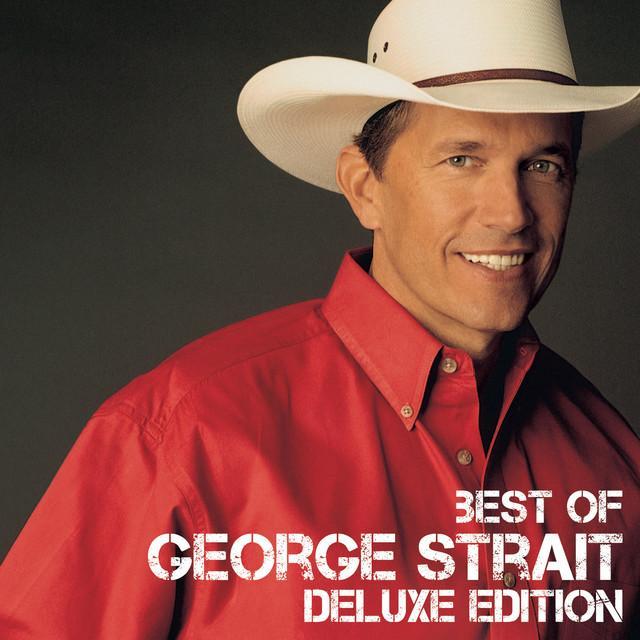
How George Strait Turns Bitterness Into a Warning
A barroom song with a bigger lesson
The meaning of I Hate Everything George Strait starts with a simple country setup: two men in a bar, one listening and one falling apart. But the song is not really about drinking, or even about anger by itself. It is about what bitterness looks like after love breaks down.
"I Hate Everything" - George Strait
When he ordered up his third one he looked around
Then he looked at me
Loading lyrics...
Unable to load lyrics
We're unable to display the lyrics at this time. Please try again later.
Released in 2004 as the lead single from 50 Number Ones, the track was written by Gary Harrison and Keith Stegall and produced by Tony Brown and George Strait. It later reached No. 1 on Billboard’s Hot Country Songs chart, a sign that its plain, emotional story hit home with listeners. That chart history is documented by Billboard.

Watch the official I Hate Everything
music video
The story works like a mirror
At the center of the song, a stranger keeps ordering drinks and saying he hates everything. The listener soon learns this is not random complaining. His marriage ended, his wife left, and now his whole life feels poisoned by that loss.
The writing carefully shows how heartbreak spills into everything else. He does not just hate one person or one event. He hates the bar, his job, his apartment, the seasons, even color itself. Phrases like I hate this bar
and I hate everything
are broad on purpose. They show a mind that can no longer separate one wound from the rest of life.
What the verses reveal about pain
Small details make the hurt believable
One of the song’s smartest choices is its use of ordinary objects. A drink order, a dropped photo, a ring, a one-bedroom apartment: these details make the man’s pain feel real rather than dramatic. When the photograph falls out of his wallet, the song quietly shows that the past is still close. He carries it even while saying he should throw it away.
That contradiction matters. He claims to hate everything, but the keepsake proves he still cares. Interpretation: the song suggests that anger is covering grief, not replacing it.
I hate my job
And I hate my life
This short section sums up his emotional collapse. The problem is bigger than romance now. His identity, routine, and future all feel damaged.
The children change the emotional picture
One line about his kids is especially important. He says they are the reason his bitterness does not fully swallow him. That keeps the song from becoming cartoonishly angry. Even in his worst state, part of him still loves and values something outside himself.
That detail also makes the divorce feel more costly. This is not just a breakup song. It is about a family split and the long aftershock that follows.
Why the chorus matters so much
The repeated hook sounds simple, but it does more than repeat a feeling. Each time I hate everything
returns, it gathers more meaning. Early on, it sounds like a drunk man venting. Later, it sounds like a full life hollowed out by resentment.
Interpretation: the chorus works as both confession and warning. The stranger is telling the truth about his emotional state, but the song also wants the narrator to hear where unchecked anger leads.
That is why the final turn matters. The narrator was not just observing. He had also come to the bar after conflict at home. The bitter stranger becomes a possible future version of himself.
George Strait’s performance keeps it grounded
Strait’s recording style is crucial to the song’s meaning. He does not oversing it. His voice stays calm, almost conversational, which makes the stranger’s spiral feel more believable. If the performance were louder or more theatrical, the lesson might feel forced.
The production helps too. This is a polished but traditional country recording: steady rhythm, clean guitar work, and space for the story to lead. Nothing distracts from the lyric. That restraint fits Strait’s long-running strength as an interpreter of story songs. He lets the scene unfold and trusts the listener to catch the emotional turn.
A classic country ending with a twist
In many bar songs, the bar is where someone sinks deeper. Here, it becomes the place where someone wakes up. After hearing the stranger’s story, the narrator pulls out his phone, calls home, and says he is coming back to fix things. His final thanks are sincere because the ruined man in the bar has unintentionally saved another relationship.
That ending is what gives the song its staying power. It does not glamorize misery. It uses misery as a lesson. Songfacts summarizes the plot in much the same way, noting that the narrator hears the divorce story and decides to go home and work things out.
Why listeners still respond to it
The song connected because it speaks in plain language about a feeling many people recognize: when one heartbreak makes the whole world seem darker. It also offers something many sad songs do not: a choice.
The stranger cannot undo what happened. But the narrator still has time. That difference gives the song its moral weight without sounding preachy.
In the end, the meaning of I Hate Everything George Strait is not that life is hopeless. It is that bitterness can spread fast, and sometimes another person’s regret is enough to stop someone from making the same mistake.
Interpretation disclaimer: song meaning can vary by listener. This reading separates documented facts about the song’s release and chart history from interpretation of its themes and emotional message.








