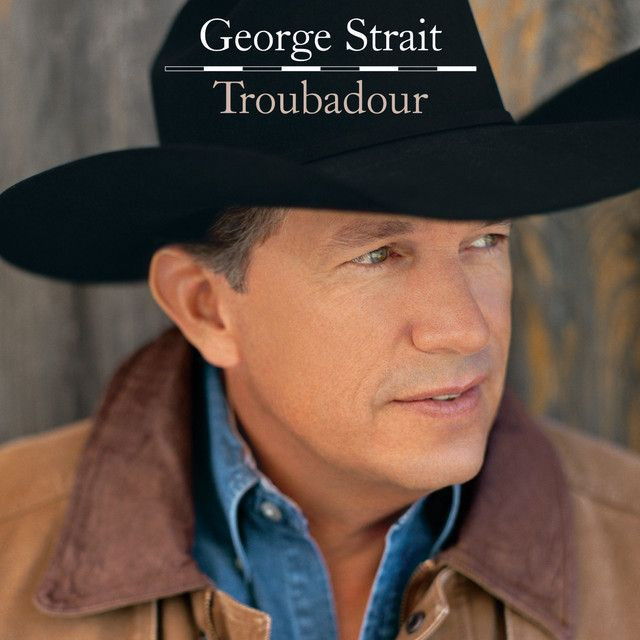
Why “Troubadour” Feels Like George Strait’s Truth
George Strait did not write “Troubadour,” but they made it sound so lived-in that many listeners hear it as a life summary.
"Troubadour" - George Strait
Provided by LyricFindI still feel twenty five
Most of the time
I still raise a little Cain with the boysLoading...Loading lyrics...
Unable to load lyrics
We're unable to display the lyrics at this time. Please try again later.
The Heart of the Meaning
The meaning of Troubadour George Strait comes down to a simple idea: age changes the body, but it does not always change identity. The song’s narrator looks at getting older without panic. Instead, they hold onto the role that has defined them for years: a singer, storyteller, and road-worn believer in songs.
Factually, “Troubadour” was written by Leslie Satcher and Monty Holmes and released as the second single from Strait’s 2008 album Troubadour. It was co-produced by Tony Brown and George Strait, with Vince Gill on background vocals. It reached No. 7 on Billboard’s Hot Country Songs chart and became Strait’s 79th Top 10 country hit, according to reporting summarized by American Songwriter and chart data collected on Wikipedia.
Interpretation: Even though the writers created it for Strait, the song works because it speaks to anyone who feels younger inside than the calendar says.

Watch the official Troubadour
music video
A Song About Aging Without Surrender
The opening sets the tone right away. The narrator says they still feel youthful and still enjoy the rough-edged fun of country life. Short phrases like I still feel twenty five
and raise a little Cain
do not deny age. They show a split between outer years and inner spirit.
That tension drives the whole song. The verses admit time has passed, but they refuse the idea that maturity must equal retreat. Instead of sounding sad, the song sounds settled. They know who they are.
This is why the title matters. A troubadour is, in the broad modern sense, a traveling singer and bearer of songs. PopMatters noted that the title fits Strait not as a medieval poet, but as a devoted singer whose career has always been about serving the song itself. That reading helps explain why the title track feels so central to his image.
The Chorus Turns a Career Into a Life Story
The chorus is the song’s emotional core. It frames life as a journey entered through music and carried to the end by music. The key phrase is young troubadour
, which becomes old troubadour
by the end.
When I rode in on a song
When I’m gone
Those lines are brief, but they hold the song’s biggest claim: music is not just a job here. It is a calling and a permanent identity.
Interpretation: The chorus does not only describe a performer. It also describes continuity. The narrator is saying that fame, age, and public reputation may shift, but the deepest self remains intact.
Jesse James, Mirrors, and Other Smart Symbols
One of the song’s most interesting images is Jesse James. When the narrator says they sometimes feel like Jesse James
, the point is not crime. It is legend, swagger, and the urge to keep proving something. Even after success, they still feel hungry.
Then the mirror image changes the mood. The lyric argues that a mirror tells only part of the truth. It can show wrinkles and time, but not memory, drive, or joy. That idea gives the song depth. It is not just about staying wild. It is also about refusing shallow definitions of aging.
Together, these symbols create a full picture:
- Jesse James = myth, edge, restless pride
- The mirror = physical age and its limits
- The troubadour = lifelong artistic identity
Why George Strait Was the Perfect Voice for It
“Troubadour” landed at the right time in Strait’s career. Troubadour was released in 2008, and the album debuted at No. 1, according to PopMatters. By then, Strait was already a veteran star with decades of hits behind them. That history made the song hit harder.
American Songwriter reported that Satcher wrote it after Tony Brown told her Strait was not retiring, even though people were starting to think in those terms. She recalled Brown wanting something that captured the fact that Strait still felt young and was still out there doing it. That backstory matters because it shows the song was crafted to answer public assumptions.
Later, when Strait launched The Cowboy Rides Away Tour after announcing retirement from regular touring, Satcher said they used “Troubadour” as a kind of theme song. That does not mean the track predicts retirement. If anything, it resists the idea that stepping back from the road erases the artist.
How the Production Carries the Message
The arrangement helps explain the meaning of Troubadour George Strait just as much as the words do. This is a neotraditional country ballad, built from familiar textures: steel guitar, fiddle, piano, acoustic guitar, and a steady rhythm section. Personnel listed in album-note summaries include Paul Franklin on steel, Stuart Duncan on fiddle, Matt Rollings on piano, and Vince Gill on backing vocals.
Nothing in the production is flashy. That restraint is the point. The song moves with calm confidence, the way an older artist might walk into a room without needing attention. Strait’s vocal is especially important. They sing it plainly, without overselling the emotion, which makes the message feel earned rather than sentimental.
Interpretation: The sound says aging can be graceful. The track does not fight time; it stands tall inside it.
Why the Song Still Lasts
“Troubadour” lasts because it speaks to a fear many people have: What happens when the years pass, but the self inside still feels recognizable? The song’s answer is comforting. A person may age, but they can remain true to their deepest calling.
That is why the song connects beyond country music. Listeners do not need to be stars, cowboys, or touring musicians to understand it. They only need to know what it feels like to look in the mirror and think the surface misses the story.
Final Take on Its Lasting Power
The best way to hear “Troubadour” is as a graceful statement of endurance. It honors youth, admits age, and chooses purpose over nostalgia. That balance is what makes it one of George Strait’s most moving recordings.
Disclaimer: This article offers informed interpretation based on the lyrics, recording context, and reported background. Song meanings can remain open to individual listeners.









