Why 'Here Comes the End' Feels Scary and Hopeful
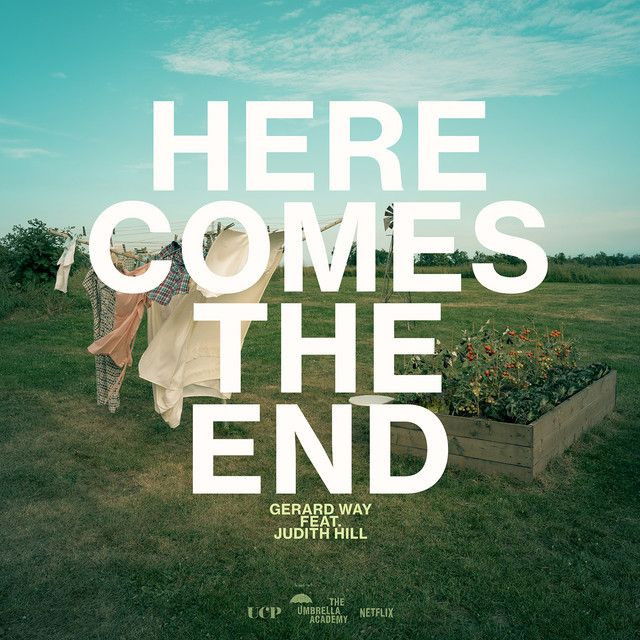
The meaning of Here Comes The End Gerard Way, Judith Hill starts with a simple tension: the song sounds like disaster is coming, but it refuses to stay in despair. Released on July 8, 2020, the track arrived during a year already full of fear and uncertainty, and it was tied to The Umbrella Academy season two. That context matters. Gerard Way is not only a musician but also the creator of The Umbrella Academy, and the song fits his larger style: theatrical, anxious, and oddly comforting at the same time.
"Here Comes The End" - Gerard Way ft. Judith Hill
Of the place you hail
You're never gonna find what you're looking for
Loading lyrics...
Unable to load lyrics
We're unable to display the lyrics at this time. Please try again later.
Factually, the song was released as an original Gerard Way single featuring Judith Hill and connected to the Netflix series adaptation of his comic work. It is listed that way in his discography and coverage of the release. In plain terms, this is a song about facing collapse without pretending everything is fine.
The Core Idea Beneath the Panic
At its heart, the song describes a world on edge. The lyrics move through guilt, public unrest, sleeplessness, and the sense that the clock is almost out. The repeated hook, Here comes the end
, sounds like surrender at first. But the song keeps pushing beyond doom.
Interpretation: rather than predicting one literal apocalypse, the song seems to capture the feeling of living through crisis. The “end” can be personal, social, or emotional. It may mean the end of denial, the end of safety, or the end of an old version of the self.
That is why the chorus matters so much. When the song asks Can we get through this?
, it changes the focus. The point is not only that something is ending. The point is whether people can stay human while it happens.

Watch the official Here Comes The End
music video
A Narrator Looking Straight at the Damage
The verses speak in a direct, almost confrontational way. Early images suggest memory, blame, and self-examination. A line like broken mask
hints at a false identity that no longer works. A “mask” usually hides fear or weakness, so a broken one can mean exposure. Whoever is speaking can no longer pretend.
Another key image is the pressure building around action and consequence. The song mentions a finger near a button, then balances that threat with a huge claim about love being stronger than war. This is classic Gerard Way writing: danger and tenderness sitting side by side.
Interpretation: the narrator may be speaking to one person, but the message also feels collective. They are looking at a loved one, a society, and even themselves all at once. That is why the line of address feels so intense.
The Chorus Turns Fear Into a Countdown
The strongest symbol in the song is time. The lyric about Hands to midnight
creates a countdown image that most listeners instantly understand. Midnight often stands for finality, judgment, or transformation. Here it suggests that the last seconds before impact are just as important as the impact itself.
The song’s central section presents that tension clearly:
After midnight
Can we get through this?
Will we all fall down?
These lines do not describe a solved problem. Instead, they hold the listener inside uncertainty. The song asks what happens after the crisis point, not just before it. That is a subtle but important move. A lot of apocalyptic songs stop at destruction. This one wants to know who survives mentally and emotionally.
Chaos in the Verses, Defiance in the Ending
As the song develops, the outside world gets darker. There are signs of public disorder, paranoia, and exhaustion. The imagery of unrest and “sleepless nights” makes the threat feel social, not just private. It is not one broken heart in a bedroom. It is a whole environment coming apart.
That makes the ending powerful. Late in the song, the message shifts toward resistance and solidarity. Instead of only repeating doom, the voices insist that everyone can make it through. Judith Hill’s presence helps this turn land. Her vocals bring warmth, gospel-like force, and a sense of communal uplift.
Interpretation: the ending suggests that naming catastrophe is not the same as giving in to it. The song says the fear is real, but so is endurance.
How the Sound Carries the Meaning
Production matters a lot here. The track blends rock drama with pop precision and a pulse that feels like a siren or alarm. The beat keeps things moving forward, as if time itself cannot stop. Layered vocals make the chorus feel larger than one person, which supports the song’s shift from private dread to shared survival.
Gerard Way has long been known for theatrical, narrative songwriting, both in My Chemical Romance and in his solo work. His art often leans into darkness while still reaching for hope. That style suits this song perfectly. Judith Hill adds soul and lift, making the final sections feel less like a warning and more like a rallying cry.
Why the 2020 Context Still Shapes Its Meaning
Because the track arrived in 2020, many listeners heard it through the lens of that year’s lockdowns, stress, and public instability. Even without reducing the song to one event, that reception helps explain why it connected. The lyrics do not name a specific crisis, which gives them room to fit many kinds of fear.
For U.S. listeners especially, the song can sound like a portrait of living under pressure while trying not to break. That broadness is one reason the meaning of Here Comes The End Gerard Way, Judith Hill still feels relevant.
Final Reading: Not Doom, but Exposure
The best way to read the song is this: it is not really about the world ending. It is about illusions ending. Masks crack. Denial fades. Systems shake. People finally see how fragile things are.
Yet the final message is not hopeless. The song argues that once the pretending stops, people may actually be able to endure together. In that sense, Here comes the end
is less a funeral line than a threshold.
Disclaimer: This article offers informed interpretation based on the lyrics, release context, and artist background. Song meaning can remain open, and listeners may hear something different.







