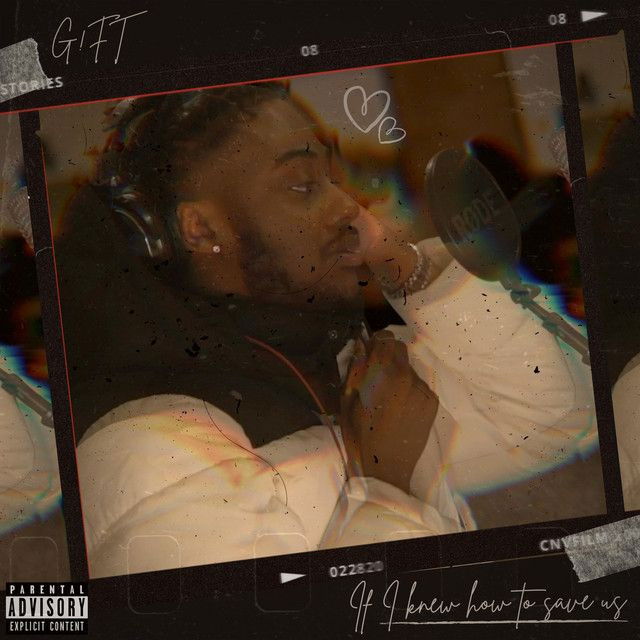
Why G!ft Turns Regret Into a Rescue Plea
The meaning of If I knew how to save us G!ft comes down to one painful idea: they know the relationship is breaking, and they also know they helped break it. Instead of offering a clean apology, the song captures the messier truth. They miss the closeness, resent the distance, crave the body, and still do not fully know how to repair the damage.
"If I knew how to save us" - G!ft
Then I wouldn't have made this song it's Blatant
I know that you listen to drill on your playlist
Loading lyrics...
Unable to load lyrics
We're unable to display the lyrics at this time. Please try again later.
That tension gives the track its emotional pull. It is not a polished statement of healing. It sounds more like someone sending a voice note at 2 a.m., trying to be tough while clearly falling apart.
The Hook Says the Whole Problem
At the center of the song is the title line, If I knew how to save us
. Paraphrased, the narrator is saying that if they had the answer, they would fix the relationship instead of turning the crisis into music. The next key phrase, I wouldn't have made this song
, makes that idea even sharper.
That is the cleverest part of the writing. The track presents itself as evidence of failure. The song exists because the relationship is damaged. In other words, the music is not the cure; it is proof that they could not find one.
Interpretation: This makes the record feel self-aware. They know a song cannot undo betrayal, insecurity, or emotional confusion. But they still hope being honest might reach the person in a way ordinary conversation cannot.
Watch the official If I knew how to save us
music video
A Love Song Trapped Inside a Confession
The verses show a speaker who moves between accountability and ego. They admit to mistakes, mention attention from other people, and describe how insecurity hurt trust. One of the clearest lines is Insecurity broke ya trust
. That phrase gives the song its emotional spine.
This is not just about missing an ex. It is about knowing why the ex pulled away. They remember simple intimacy, like late-night food and conversation, and place that beside sexual boasting and jealousy. That contrast matters. It shows someone who still has not learned how to separate real love from performance.
They also push back against outside opinions. When they say friends call them reckless or toxic, the song frames the couple as if they are under social pressure. But the lyrics also hint that those friends may have a point. The narrator wants the relationship restored without fully escaping the habits that damaged it.
Who They Are Talking To
The song is aimed at a former or fading partner, but it also sounds like the narrator is trying to convince themselves. Phrases like you miss me
and please don't tell
reveal a fragile ego under the swagger.
They want to believe the bond still exists. They imagine they still have a claim on the other person, even while admitting they may have already lost that place. That is why the song can feel both intimate and controlling. It is affectionate, but it also tries to pull the listener back through memory, sex, and guilt.
Interpretation: The emotional contradiction is the point. They are not calmly reflecting after growth. They are in the middle of the loss, speaking from panic.
The Story Moves in Three Emotional Beats
First: They admit the crisis
The chorus opens with confusion and defeat. They know the relationship needs saving, but they do not know how. That uncertainty sets the whole track.
Second: They replay the bond
The middle of the song revisits old routines, attraction, and private chemistry. These details are meant to rebuild closeness. They are saying: remember what this was when it felt easy.
Third: They face replacement and fear
Near the end, the questions become more desperate. They wonder whether someone else now gives the warmth, affection, and commitment they failed to provide. The repeated question about whether that person is someone to commit to
is less curiosity than panic.
How the Drill Influence Changes the Meaning
One line explains the sonic choice directly: you listen to drill
. Even without outside production credits, the lyrics make clear that the song borrows from drill's energy and posture. That matters because the hard sound clashes with the vulnerable message.
Drill often relies on forceful rhythm, tension, and a confrontational edge. Here, that style becomes emotional armor. The narrator delivers heartbreak through aggression, sexual flexing, and sharp phrasing. The beat style likely helps them say things they would struggle to admit in a softer ballad.
So the production is not just decoration. It reflects their psychology. The toughness is a mask, and the cracks in that mask are what make the song memorable.
Toxicity, Masculinity, and Need
The song repeatedly circles a modern relationship problem: how someone can admit they are unhealthy and still ask to be loved anyway. They mention being called toxic and even compare themselves to something demonic. That language is dramatic, but it reveals shame.
At the same time, they keep asserting status, ownership, and sexual confidence. That push-pull suggests a person stuck between two models of masculinity: one that performs dominance, and one that wants emotional honesty. They cannot fully choose either, so the song becomes a collision between them.
That is a big reason the track feels believable. It does not present a neat redemption arc. It shows someone who recognizes the wound before they have learned how to stop causing it.
The Real Meaning Lands in the Last Question
By the end, the unresolved plea becomes the song's true message: How do I save this
. That question is bigger than the romance itself. It is also about whether they can change fast enough to deserve another chance.
For listeners, the meaning of If I knew how to save us G!ft is not just heartbreak. It is the sound of regret trying to turn itself into action and failing, at least for now. The track's honesty comes from that failure.
Disclaimer: This interpretation is based on the lyrics provided and musical cues in the writing. As with any song, listeners may hear different meanings depending on their own experiences.








