
Why “bastard” by glaive Feels So Bitter
The meaning of bastard glaive comes down to a hard mix of betrayal, self-protection, and disappointment. The song sounds like someone trying to stay tough while admitting that trust has badly broken down.
"bastard" - glaive
Every single person in my life turned to an actor
Fairytales lied, there's no happily-ever-after
Loading lyrics...
Unable to load lyrics
We're unable to display the lyrics at this time. Please try again later.
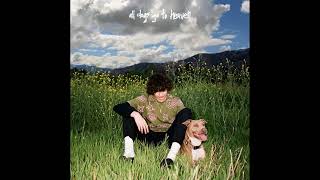
Released in July 2021 as part of the All Dogs Go to Heaven era, “bastard” arrived during glaive’s rapid early rise from SoundCloud teenager to one of hyperpop’s best-known young voices, according to publicly available career summaries and release timelines in press coverage and reference sources. That context matters because the song’s tension feels personal: sudden visibility can make every friendship, argument, and rumor feel louder.
The Hook Turns an Insult Into a Worldview
The chorus starts with a label: I'm a bastard
. They do not present it like a calm fact. Instead, it lands like something thrown at the narrator by someone else, then repeated until it becomes part of how they see the world.
Right after that, the song widens the problem. The narrator says people in their life turned to an actor
, which suggests performance, dishonesty, and hidden motives. In plain terms, the song is not just about one failed relationship. It is about a whole environment that feels fake.
That is why the next image hits so hard. When the song says no happily-ever-after
, it rejects the fantasy that honesty, love, or success naturally lead to peace. The speaker sounds young, but not naive anymore.
Watch the official bastard
music video
A Fight Song About Exhaustion
One of the smartest things in “bastard” is that it never sounds purely angry. Under the threats and sharp words, there is also burnout.
In the verse about gossip and circular conflict, the repeated idea of he said, she said
makes drama feel endless and childish. The narrator is not energized by the fight. They are worn down by it. When they say they are tired of arguing and grieving, the song briefly drops the mask and shows emotional fatigue.
That shift is key to the meaning of bastard glaive. The song is not only saying, “People hurt me.” It is also saying, “This constant conflict is changing me.” The harshness becomes a defense mechanism.
The “Boy I Know” Sounds Like a Mirror
The most revealing section may be the one where the narrator tells a story about a boy I know
. Interpretation: many listeners will hear this as a disguised self-portrait.
The details point that way. The boy is around 15, gets connections, opens doors, and then realizes he may have been better off before. glaive was a teen when his music started moving quickly online, and his early career really did accelerate fast during 2020 and 2021, when he emerged from bedroom recordings into the digicore and hyperpop spotlight.
If that reading is right, the verse captures a common young-artist fear: success creates access, but it can also distort relationships. The line about being alone as both blessing and curse deepens that idea. Isolation protects them from betrayal, but it also confirms it.
Beauty Dies in the Middle of the Song
The song’s strongest image is the one about flowers dying in a pasture. It is simple, but it does a lot of work.
A pasture suggests open space, nature, even childhood innocence. Flowers suggest beauty and fragility. But in this song, both are linked with damage. The natural world is not healing the narrator. It is withering around them.
Interpretation: this could mean that the speaker feels destructive, or that their life has become so emotionally poisoned that even beautiful things seem temporary. Either way, the image gives the song more depth than a basic diss track.
Why the Sound Matters So Much
Glaive’s early music is often grouped with hyperpop and digicore, though they have also pushed back on neat genre labels and described the songs as pop at heart. That fits “bastard” well. The track uses a bright, melodic surface to carry ugly emotions.
Instead of sounding slow and mournful, the song moves with momentum. That creates a useful contrast: the production feels youthful and immediate, while the lyrics deal with distrust, disillusionment, and emotional whiplash. In effect, the track turns private bitterness into something catchy enough to shout along with.
That contrast has always been one of glaive’s strengths. Critics have often described their writing as emotionally direct and vulnerable, and “bastard” shows why. Even when the narrator acts detached, the song is still full of injury.
A Song About Reputation, Too
Another layer of the meaning of bastard glaive is reputation. The narrator knows they are being watched, talked about, and possibly used. The later lines about people wanting to profit from them introduce a money-and-clout angle that goes beyond romance.
That makes the chorus more complicated. Being called a bastard may be unfair, but the narrator also starts to inhabit the role. They walk in and out, toughen their tone, and pull back from real investment. The song shows how a bad label can become a survival identity.
The Lasting Takeaway
“bastard” is compelling because it captures a very young kind of burnout without softening it. It sounds like someone learning, too early, that attention can bring paranoia, arguments, and fake closeness.
In that sense, the song is not just about being insulted. It is about what happens after trust collapses and they decide hardness might be safer than hope.
Disclaimer: This article offers interpretation based on the lyrics, release context, and publicly available information. Song meaning can remain open, and only glaive knows every intention behind “bastard.”









