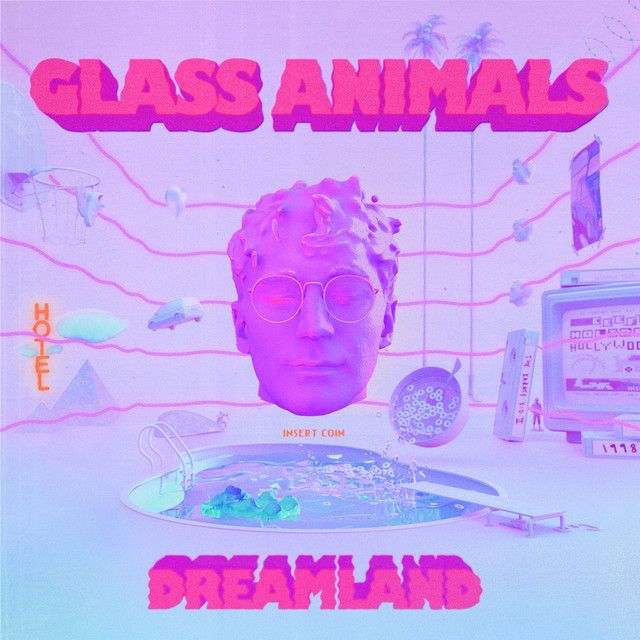
What 'Dreamland' Really Means—Glass Animals’ Memory Map
Dreamland opens like a door to the past and asks the listener to walk through it. For anyone searching for the meaning of Dreamland Glass Animals, this track is a prologue and a thesis: it sets the tone for an album about memory, media, and growing up.
"Dreamland" - Glass Animals
Slipping through dreamland like a tourist
Pulling down backstreets, deep in your head
Loading lyrics...
Unable to load lyrics
We're unable to display the lyrics at this time. Please try again later.
A neon memory palace: what the song holds
Dreamland is a self-portrait in snapshots. The song moves through early friendships, awkward moments, and first fears, then zooms out to ask how screens and music shape who they become. When the lyric hints at too much of the digital love
, it frames a tension: online life can feel full, yet strangely thin.
Glass Animals wrote and produced the album largely through Dave Bayley, whose childhood in Texas and early‑2000s pop, R&B, and hip‑hop sounds color the track. The result is both diary-like and cinematic—intimate images floating in pastel light.
Watch the official Dreamland
music video
Whose voice is guiding this trip?
The narrator speaks in second person. Lines like you want things you can touch
sound like advice to a friend, but they land like self-talk. Interpretation: Bayley is addressing a younger or parallel self, turning his own memories into a map others can use.
That “you” also invites the audience in. By blurring the line between singer and listener, the song makes private moments feel shared.
Flashbacks and plot points: a quick map
- Early innocence and regrets surface—fleeting, messy, human.
- Media becomes a lens: home movies, films, and songs script how they feel. They crave to
make it feel like a movie
—not to fake life, but to give it shape. - A jarring detail—violence at school—shifts the tone from sugar to shock, reminding them that memory isn’t only sweet.
- The final turn names the project itself, closing the loop.
The hook as a compass, not a destination
The chorus returns like muscle memory:
Pulling down backstreets, deep in your head Slipping through dreamland like a tourist
Interpretation: They’re not “living” in the past so much as visiting it—camera in hand. A tourist looks, compares, and chooses where to linger. The refrain suggests agency: they can move through memory without being trapped by it.
Symbols in soft focus
- Screens and tapes: Mentions of home‑recorded media and old formats point to how they learned to archive feelings. The nod to
see Kodachrome
turns color film into a metaphor—memories are curated, saturated, not neutral. - Touch vs. pixel: The line
you want things you can touch
contrasts scroll-life with real sensation. Interpretation: They’re hungry for presence—skin, air, time—after living through lenses. - Hollywood glow: Mulholland, pools, and
canned
soundtracks show a staged life. Interpretation: They’re wary of scenes that look perfect but feel hollow. - Growing up and gender: The question
what makes a man?
surfaces the pressure to fit a script. The pivot—time to change that
—signals a wish to redraw the rules. - Naming the dream: By deciding to
call it Dreamland
, they admit the art is both shelter and study—memory turned into music.
How the sound carries the feeling
The track’s production is warm but weightless: hushed vocals, woozy keys, and gentle drums let images float. Bayley’s palette blends early‑2000s R&B/hip‑hop bounce with indie pop clarity, mirroring the song’s flip between diary and cinema. Strings and synth pads blur edges like light leaks on old film. Interpretation: the soft mix makes hard memories easier to face.
On the album, Bayley handles most writing and production, drawing from the music he grew up with and techniques that fuse vintage gear with modern sampling. That hybrid method fits the lyric’s theme—past and present layered until they feel like one room.
Alternate paths through the song
- Interpretation 1: It’s a critique of passive nostalgia. The “tourist” keeps moving so they don’t confuse the glow of memory with truth. The urge for touch is a call to rejoin the present.
- Interpretation 2: It’s a self‑therapy monologue. By rewatching “home movies” in their head, they process fear, shame, and first love, and then author a new self by naming the album after the place where it all lives.
Both readings agree on this: Dreamland uses pop form to ask real questions, without pretending that memory is tidy.
Takeaway and a gentle caveat
Dreamland is about learning to hold the past without getting stuck in it. The chorus teaches a way to travel through memory, while the production turns those scenes into soft light. For listeners in the United States who grew up on VHS fuzz, early hip‑hop radio, and teen‑movie soundtracks, it hits both heart and muscle memory.
Disclaimer: Song meanings are subjective. This reading blends reported context with interpretation and may differ from the artist’s intent.







